


Hundreds of employees across major tech firms are publicly urging their CEOs to denounce Immigration and Customs Enforcement and pressure the White House to halt aggressive federal operations in U.S. cities, a campaign galvanized by the fatal shooting of Alex Pretti, an ICU nurse in Minneapolis. Organizers say more than 450 workers from companies including Google, Meta, OpenAI, Amazon, and Salesforce have signed an open letter demanding executives speak out and sever business ties that enable immigration enforcement.
A Rare Cross-Company Show of Dissent Among Tech Workers
The letter, coordinated by the worker coalition IceOut.Tech, asks tech chiefs to call the White House and advocate for the withdrawal of federal agents from city streets. Signatories argue that rapid-response action from the C-suite can influence policy, pointing to a recent instance in which tech leaders’ outreach reportedly helped quash a plan to deploy the National Guard to San Francisco. Employees say the industry’s access and leverage are unique—and urgently needed.
- A Rare Cross-Company Show of Dissent Among Tech Workers
- Anger Boils After Minneapolis Killing During Federal Raid
- Demands Go Beyond Statements To Target Contracts
- High-Profile Voices And A Wider Industry Silence
- Why Tech’s Voice Could Sway Federal Immigration Policy
- What Comes Next For CEOs Amid Mounting Employee Pressure

Anger Boils After Minneapolis Killing During Federal Raid
Support for the campaign surged after the killing of Alex Pretti in Minneapolis during a federal operation, according to organizers and local advocates. The incident followed the shooting of Renee Good, a U.S. citizen, in the same city weeks earlier. Community groups and civil liberties organizations describe tactics that resemble a military occupation, citing pepper spray, tear gas, rubber bullets, and sound cannons used during confrontations around raids.
Civil rights advocates have warned for years that immigration enforcement increasingly relies on crowd-control weaponry and opaque protocols that heighten the risk of harm to bystanders. Research from the Georgetown Law Center on Privacy & Technology and the ACLU has also documented the expansion of ICE’s surveillance footprint—spanning license-plate databases, utility records, and facial recognition—raising alarms about both accuracy and accountability in fast-moving operations.
Demands Go Beyond Statements To Target Contracts
Worker organizers are asking CEOs to cancel existing contracts with ICE and related agencies, arguing that cloud infrastructure, analytics software, and identity technologies make large-scale operations possible. Palantir has long been a key analytics vendor to Homeland Security Investigations; Clearview AI has supplied facial recognition to immigration and law enforcement clients; and hyperscalers like Amazon Web Services, Microsoft, and Oracle provide infrastructure used across the federal government, including components relied on by ICE.
The push echoes earlier internal revolts: Microsoft employees in 2018 protested work tied to ICE; Amazon and Salesforce faced pressure over law enforcement and immigration-related sales; GitHub and Chef saw public backlashes over government contracts. Those episodes showed that employee activism can shape procurement decisions and brand reputation—sometimes rapidly.
High-Profile Voices And A Wider Industry Silence
A handful of prominent tech figures have condemned the escalation. Investors and senior researchers have called the tactics harmful and urged bipartisan denunciations of violence. Others within AI labs and communications platforms criticized the industry’s muted response, noting that executives are often quicker to weigh in on tax policy than on civil liberties. Still, many of the most powerful CEOs—whose companies maintain close ties with policymakers—have yet to publicly address the Minneapolis incidents or the worker letter.
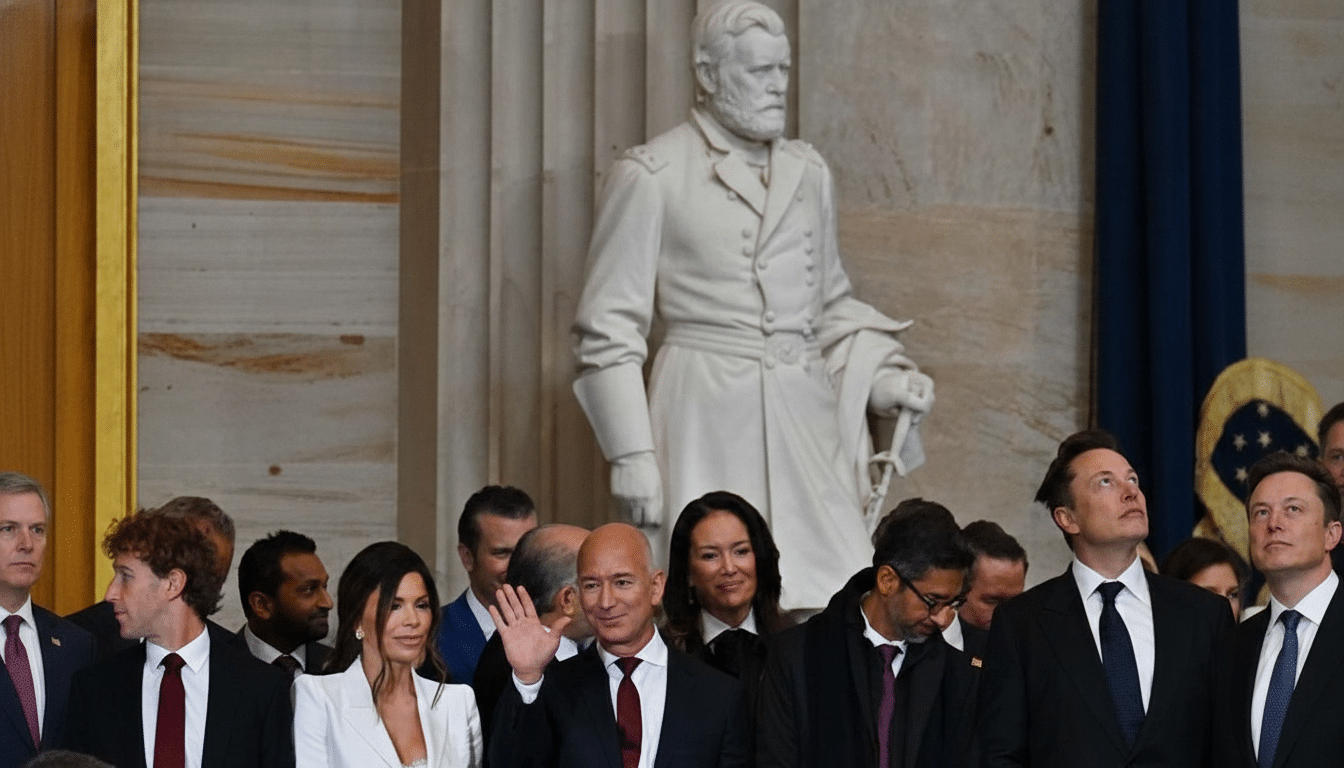
That reticence clashes with employee expectations. The Edelman Trust Barometer has repeatedly found that a majority of workers want CEOs to speak up on societal issues, and Just Capital’s surveys show employees increasingly factor corporate stances into where they work and what they buy. In a fiercely competitive talent market, silence carries retention and recruitment risks alongside reputational ones.
Why Tech’s Voice Could Sway Federal Immigration Policy
Tech leaders have a history of shaping the debate on federal power. During the 2017 travel-ban litigation, dozens of companies filed amicus briefs warning of harms to innovation and competitiveness. Employee pressure also pushed Google to exit Project Maven and led several firms to tighten ethical guidelines around facial recognition and government AI. Worker groups now argue that public, coordinated CEO engagement—calls to senior officials, on-the-record statements, and clear product guardrails—can help de-escalate immigration operations and set enforceable norms for how technology is deployed.
What Comes Next For CEOs Amid Mounting Employee Pressure
The open letter outlines concrete steps:
- Immediate outreach to federal decision-makers
- Transparent reviews of contracts that touch immigration enforcement
- Public commitments not to build or host tools that facilitate mass surveillance or indiscriminate raids
Boards are being asked to oversee these reviews, while employees are urging internal town halls to surface ethical red lines.
The broader question is whether tech’s most influential executives will use their access to push for restraint—or remain on the sidelines as workers, patients, and community members grieve. After the killing of Alex Pretti, organizers say incremental statements are not enough. They want CEOs to prove that the industry’s oft-stated values—safety, accountability, and respect for human rights—extend beyond product roadmaps and into the public square.