


TCL is taking its signature eye-comfort display tech into new territory, unveiling a prototype NXTPAPER AMOLED that blends paper-like viewing with the deep blacks and punchy contrast of OLED. The company is showing the panel at Mobile World Congress, signaling a strategic shift from the matte-leaning LCD approach that defined earlier NXTPAPER devices to an emissive AMOLED platform designed for flagship phones.
What NXTPAPER AMOLED changes for eye comfort and clarity
NXTPAPER was never about mimicking e-ink; it’s about making conventional screens feel gentler on the eyes without killing responsiveness or color. TCL says the new AMOLED iteration pushes those goals at the hardware level. The company claims blue light output is trimmed by 15% and circular polarization hits 90%, both aimed at reducing visual fatigue over long sessions compared to standard OLED setups that rely heavily on software tints or warm color presets.
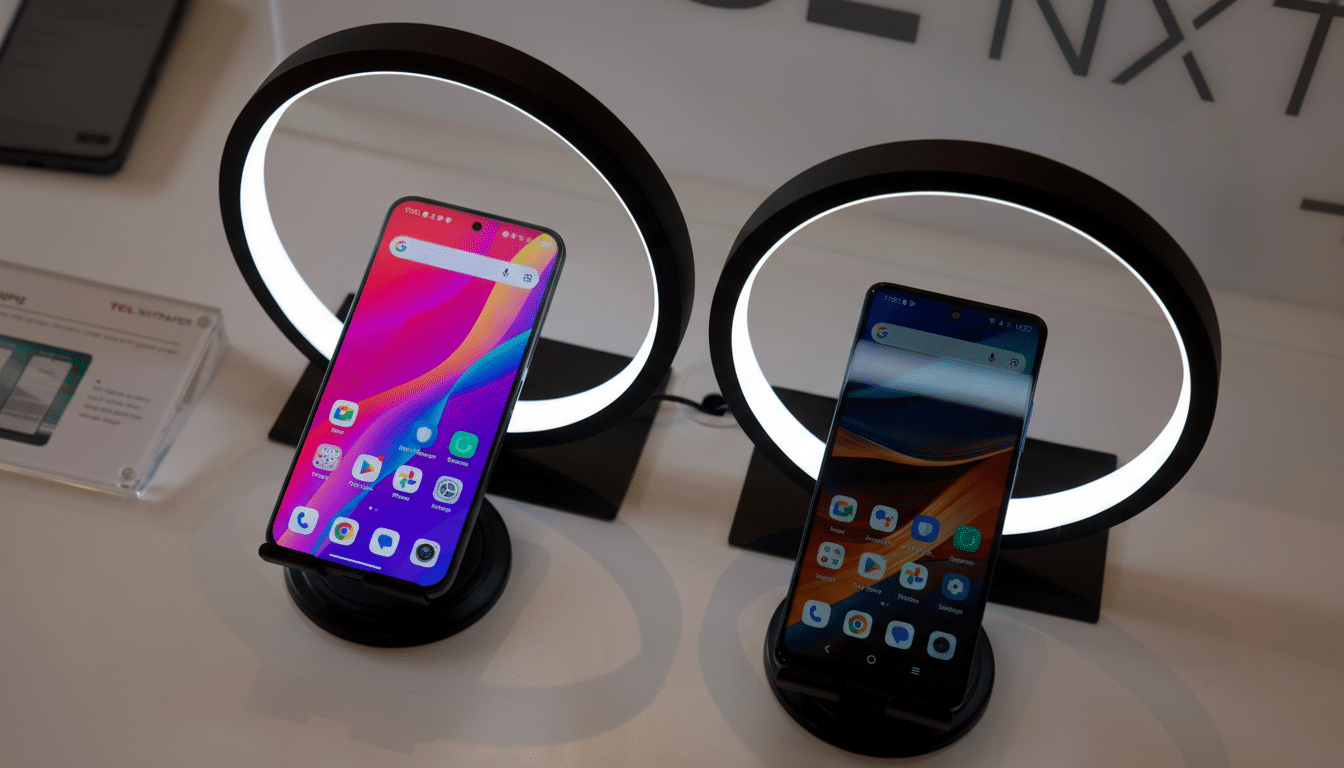
That hardware-first stance matters. Software filters can shift white points and crush color fidelity, while laminated films often introduce brightness loss and haze. By baking the comfort measures into the stack, TCL is trying to preserve the vividness and instantaneous response that made AMOLED dominant in premium smartphones, while toning down the harshness that can trigger eye strain for some users.
A first anti-glare advance for OLED smartphone screens
TCL describes the panel as the world’s first anti-glare AMOLED, enabled by a nanomatrix lithography process that reduces reflections without the milky, matte sheen that can sap contrast. The company cites a peak brightness of up to 3,200 nits, a notable figure for any OLED that’s also cutting reflections. For context, industry evaluations such as DisplayMate’s have long pegged typical smartphone screen reflectance around 4–5%. Reducing that further while maintaining high luminance is non-trivial because anti-reflective stacks and polarizers usually penalize efficiency.
If TCL’s treatment holds up, it could address two persistent OLED complaints at once: glossy glare in sunlight and eye fatigue from high-energy light. Outdoors, anti-glare isn’t just cosmetic; lower reflectance boosts effective contrast, making text and UI elements easier to parse at a glance. Indoors, better light control can minimize veiling reflections and reduce the urge to crank brightness, which in turn may support longer, more comfortable viewing.
Specs signal flagship intent for high-end phone displays
On paper, NXTPAPER AMOLED aims squarely at high-end phones. TCL says the panel defaults to 120Hz, covers 100% of the P3 color space, and supports variable refresh rate. Those are table-stakes specs for premium displays, but the differentiators are the eye comfort and anti-glare claims paired with high brightness. The company is showing the tech privately rather than in a retail-ready device, so details like PWM dimming frequency, HDR format support, and power draw are still unanswered—and critical to how the display will feel in hand.
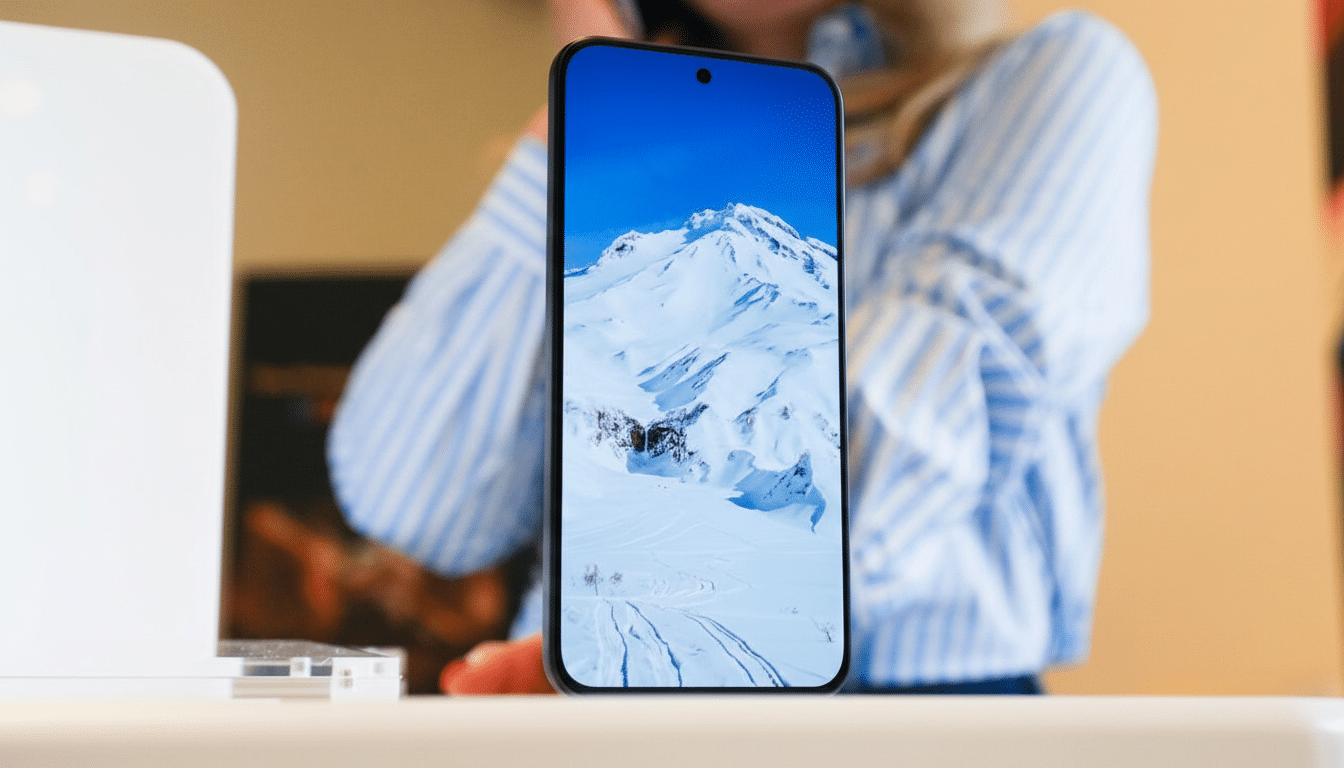
It’s also worth noting that OLED manufacturers have been exploring polarizer-free designs to gain efficiency, often at the expense of higher reflectance. TCL’s target of 90% circular polarization suggests a different path—taming reflections without surrendering brightness—though real-world measurements from independent labs will be the final word.
From prototype to phone: TCL’s path to commercial launch
For now, NXTPAPER AMOLED remains a prototype with press-only demos. TCL says the first commercial implementation will arrive in a TCL-branded smartphone rather than through licensing. That decision keeps the experience under one roof but raises the bar on execution: scaling a nanomatrix anti-glare process, maintaining uniformity across panels, and balancing battery life with 120Hz brightness all pose manufacturing and tuning challenges.
The company’s recent NXTPAPER phones and tablets built a following by softening glare and giving screens a more paper-like vibe without sacrificing responsiveness. Moving to AMOLED should elevate contrast and pixel-level control while keeping those ergonomics front and center—if TCL can land the power and PWM tuning many sensitive users care about.
Why it matters for buyers and everyday smartphone use
Smartphone displays have never been brighter or more colorful, but comfort has lagged behind spectacle. If NXTPAPER AMOLED delivers on its 15% blue light cut, 90% circular polarization, and anti-glare promise while still hitting 3,200 nits and 120Hz, it could make reading, browsing, and outdoor use meaningfully easier on the eyes—without the washed-out look that plagues many matte solutions.
In a market where specs often converge, a screen that genuinely reduces strain while preserving OLED punch would be a practical differentiator. TCL isn’t reinventing the display category, but it is trying to fix two of OLED’s most familiar pain points in one swing. The next step is a shipping phone and third-party testing to confirm the claims—and to see whether NXTPAPER’s comfort-first philosophy can become a new baseline for premium mobile screens.