


Taskmaster Live didn’t just bring the chaos of the studio to a packed theater; it cracked open the show’s inner workings. With Greg Davies presiding and Alex Horne orchestrating, the live stop distilled a decade of lore into candid revelations about rules, editing, costumes, and why some tasks are now less sticky and more sustainable. It was part fan service, part masterclass in how a global comedy format keeps its edge.
How Petty Rules Became The Point Of Taskmaster
The lesson fans cheered loudest: the “petty” calls are not glitches; they’re the engine. Horne and Davies revisited the infamous “potato in the hole” moment, where a perfect throw was disqualified because the contestant stepped on the red “green.” That tiny technicality set the show’s tone—every word on the task card matters, and compliance is a craft. They also tackled the Mark Watson texting saga: one missed day in a months-long challenge meant no bonus, even if the absence was due to spotty reception. Davies’s stance was unwavering, and that insistence on literalism is why debates still rage in Reddit threads and pub quizzes alike.
- How Petty Rules Became The Point Of Taskmaster
- The Truth About Costumes And Preparation
- Contestants Direct The Madness But Don’t Edit It
- Why Food Tasks Were Reined In On Recent Series
- Live Stage Chaos Proves The Format’s Flexibility
- Fairness With A Wink Is The House Style At Taskmaster
- What Taskmaster Live Ultimately Taught Us
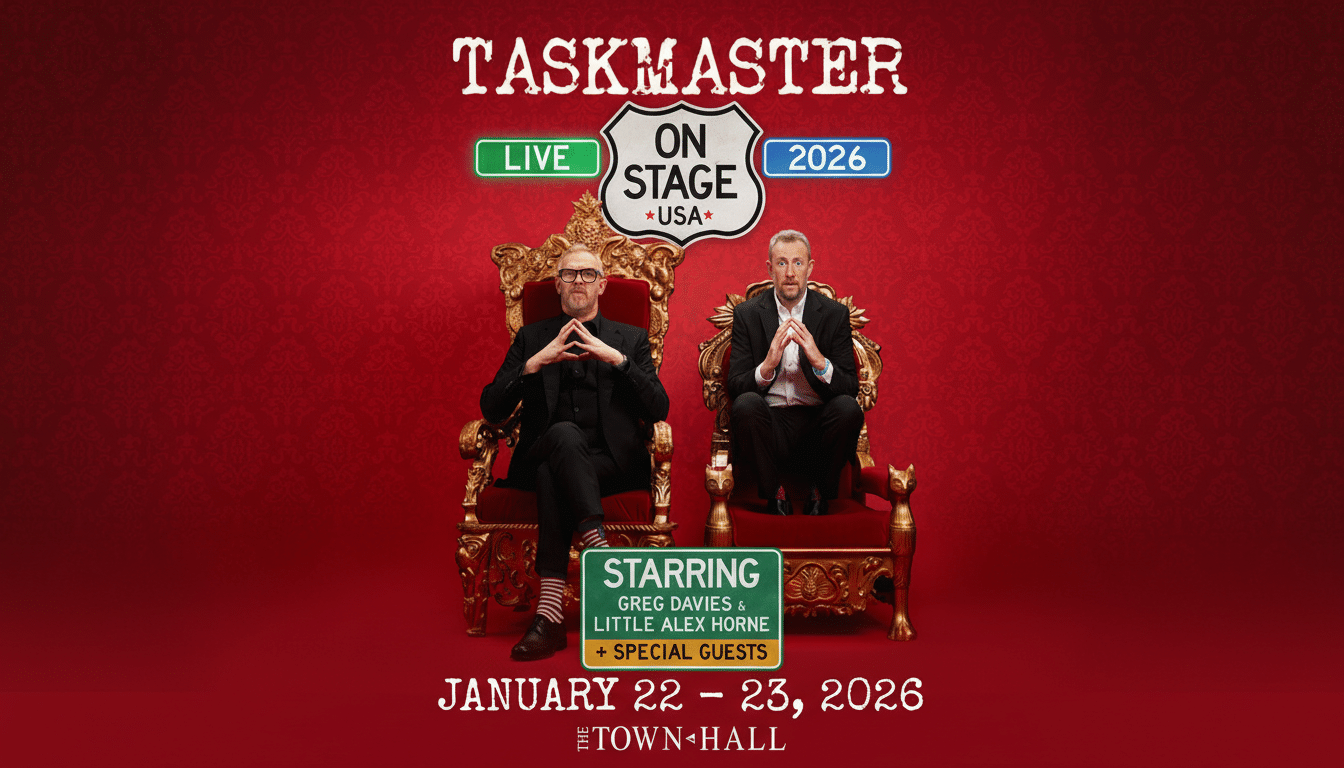
This approach has real-world payoff. Format analysts often credit Taskmaster’s rule clarity for its durability across markets; industry groups that track TV formats, such as FRAPA, note that repeatable mechanics with clean adjudication travel well. The show now has local versions in more than a dozen countries, and that’s no accident.
The Truth About Costumes And Preparation
What about those iconic outfits? Davies admitted he sometimes previews longer task footage ahead of the studio record to avoid missing jokes beneath audience laughter, which means he may see major costume swings—think Phil Wang’s now-legendary yellow bodysuit—a day or so before go-time. Crucially, there’s no scripting of his reactions, and he and Horne don’t compare notes. The spontaneity you see is intact; he just makes sure the punchlines land in the room.
Contestants Direct The Madness But Don’t Edit It
Another myth punctured: while contestants can stage their own mini-productions at the Taskmaster house—Horne cited Series 1 innovations like Romesh Ranganathan’s “Tree Wizard,” Roisin Conaty’s artful backwards walk-and-spit, and Tim Key dispatching a runner to buy a dog-ball launcher mid-task—they relinquish the final cut. That editorial control stays with the production, ensuring consistency in tone and pace. It’s a smart safeguard; Channel 4’s own commissioning strategy has long stressed editorial authorship as a cornerstone of returning hits, and Taskmaster’s rhythm is now as recognizable as its throne.
Why Food Tasks Were Reined In On Recent Series
Fans noticed fewer large-scale food tasks in recent series, and Horne confirmed the shift. The team has become more responsible about waste and optics without ditching the category altogether. It’s a pragmatic tweak in line with broader viewer expectations; Ofcom’s audience research has tracked rising sensitivity to needless waste on-screen. The takeaway: smaller messes, same mischief. Horne even cataloged past lowlights—“bin juice” and quinoa made the cut—which suggests the show has tested the limits and found a sustainable sweet spot.
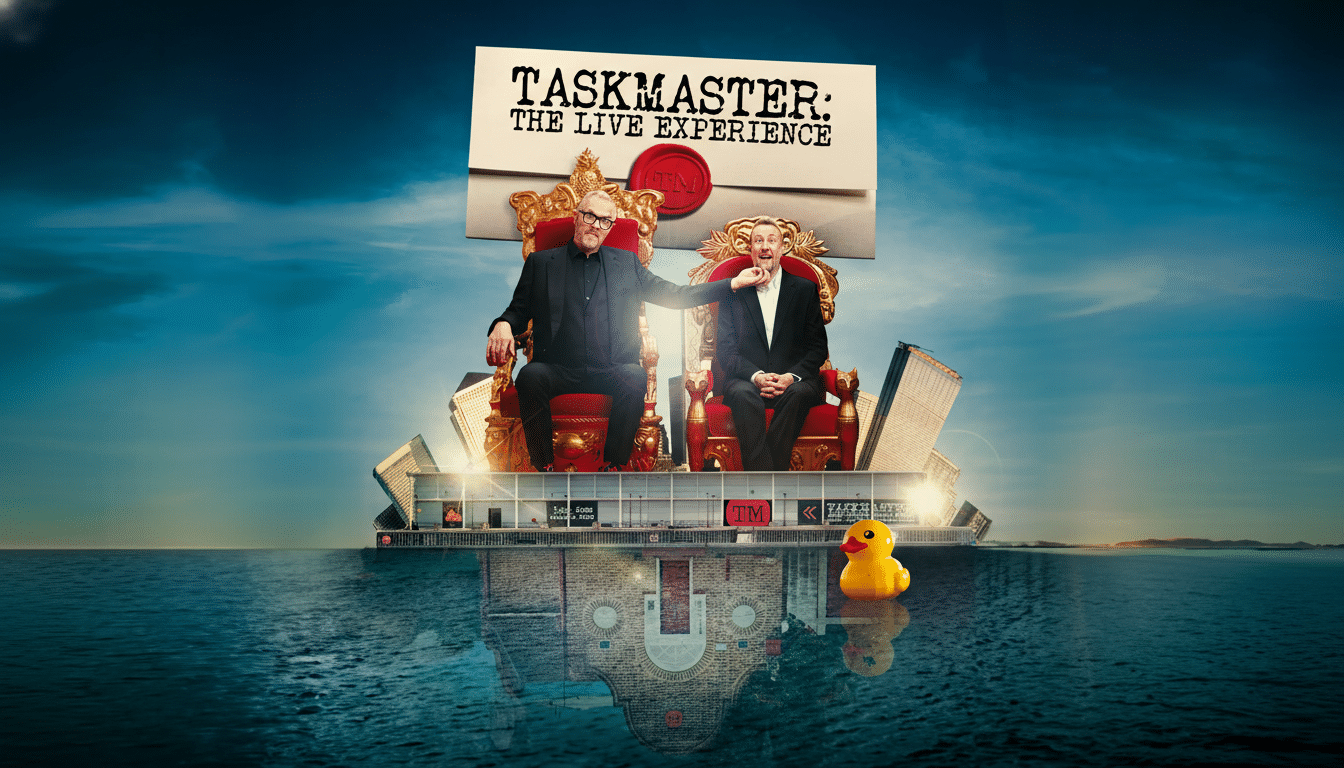
Live Stage Chaos Proves The Format’s Flexibility
The live installment doubled as a stress test. Audience volunteers went head-to-head with pros like Alex Moffat and Lisa Gilroy in quick-fire challenges—a memory sprint, a paper-plane showdown, a hunt for the “worst” clothing. Gilroy’s coup de théâtre, a pair of souvenir-shop shorts emblazoned with a saucy slogan, triggered a roar when Horne modeled them. Beneath the silliness was a design insight: tasks that thrive on clarity and audacity scale beautifully from TV house to theater stage.
That malleability is why the format breaks out beyond broadcast. Taskmaster’s YouTube presence draws millions of views per week across compilations and full episodes, and BARB reporting has repeatedly placed the series among Channel 4’s strongest entertainment performers. The live show confirmed what the data implies: the rulebook is portable, the laughter is immediate, and the brand loyalty is fierce.
Fairness With A Wink Is The House Style At Taskmaster
Davies’s persona as draconian adjudicator remains a performance with a purpose. He can be implacable about briefs while rewarding lateral thinking, and that balance keeps contestants daring rather than defensive. Hearing him and Horne volley stories—like a contestant instructing producers to secure oddball props under impossible time pressure—underscored a creative economy built on constraints. Give them 20 minutes, a teabag, and a cup, and they’ll deliver sports-movie stakes.
What Taskmaster Live Ultimately Taught Us
Three big truths emerged.
- The show’s much-debated pedantry is intentional design, not caprice; it amplifies fairness and fuels fan engagement.
- Contestants enjoy real authorship in the field but surrender the edit to preserve a consistent comic heartbeat.
- The series has adapted—less waste, more ingenuity—without muting its mischief.
In other words, Taskmaster hasn’t stayed beloved by accident. It iterates like a top-tier format, plays to packed houses like a touring act, and still finds room for an absurd costume reveal. If you wanted a blueprint for how a cult hit becomes an institution, Taskmaster Live just handed it to you—printed, laminated, and read out loud on a card.