


A new reader poll suggests a single high-profile safety scare has materially shifted attitudes toward smart rings, even as a subsequent investigation deemed the event an outlier. While curiosity about ring-based health tracking remains, caution is rising and the path to mainstream adoption looks bumpier than it did a few months ago.
What the poll says about current smart ring interest
Nearly half of respondents said they were never interested in smart rings, underscoring the category’s uphill climb against smartwatches and fitness bands. Among those at least open to the concept, sentiment fractured: 16% said they’re still interested, 18% report being more cautious, and 17% say the incident turned them off entirely.
Read together, those figures imply a real trust deficit. Roughly a third of potential buyers are now on the sidelines, and another third are second-guessing a purchase. For a nascent category that depends on early adopters to build momentum, that is a meaningful drag.
The incident behind the numbers and safety concerns
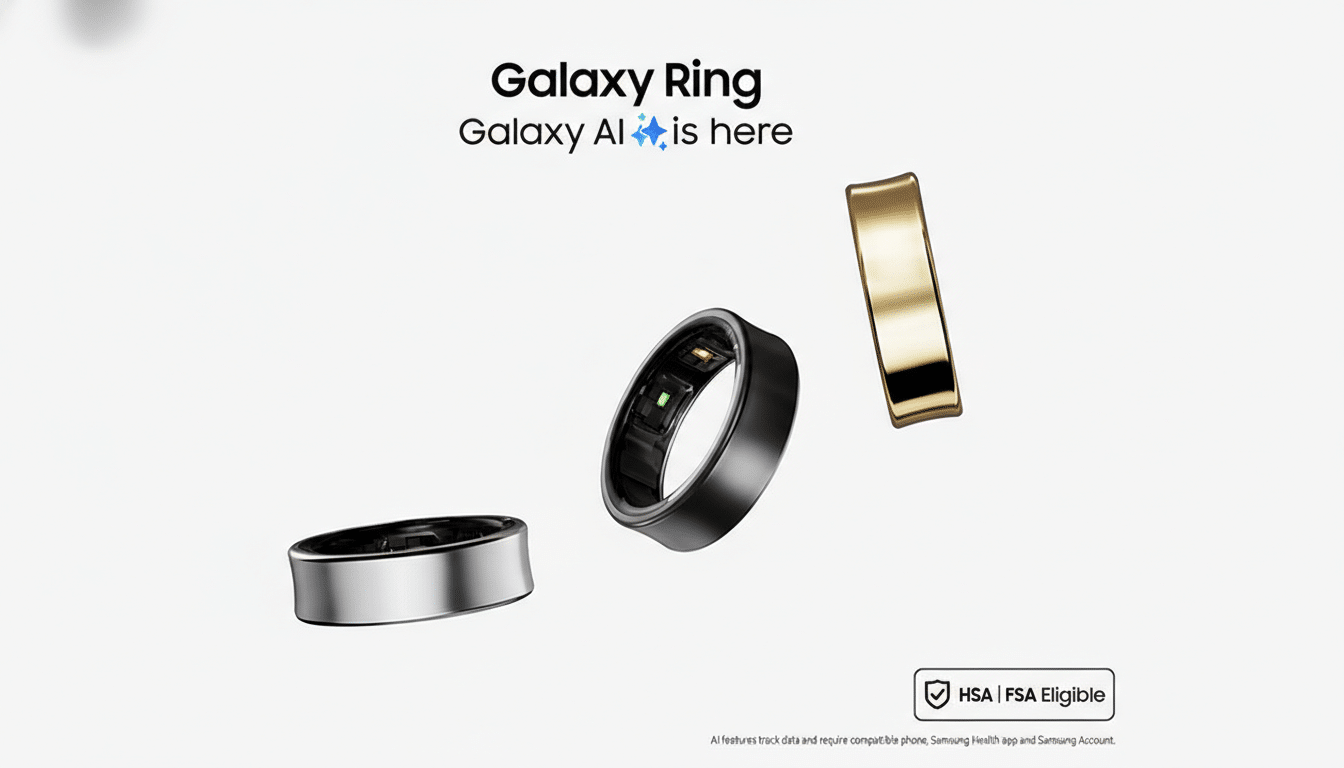
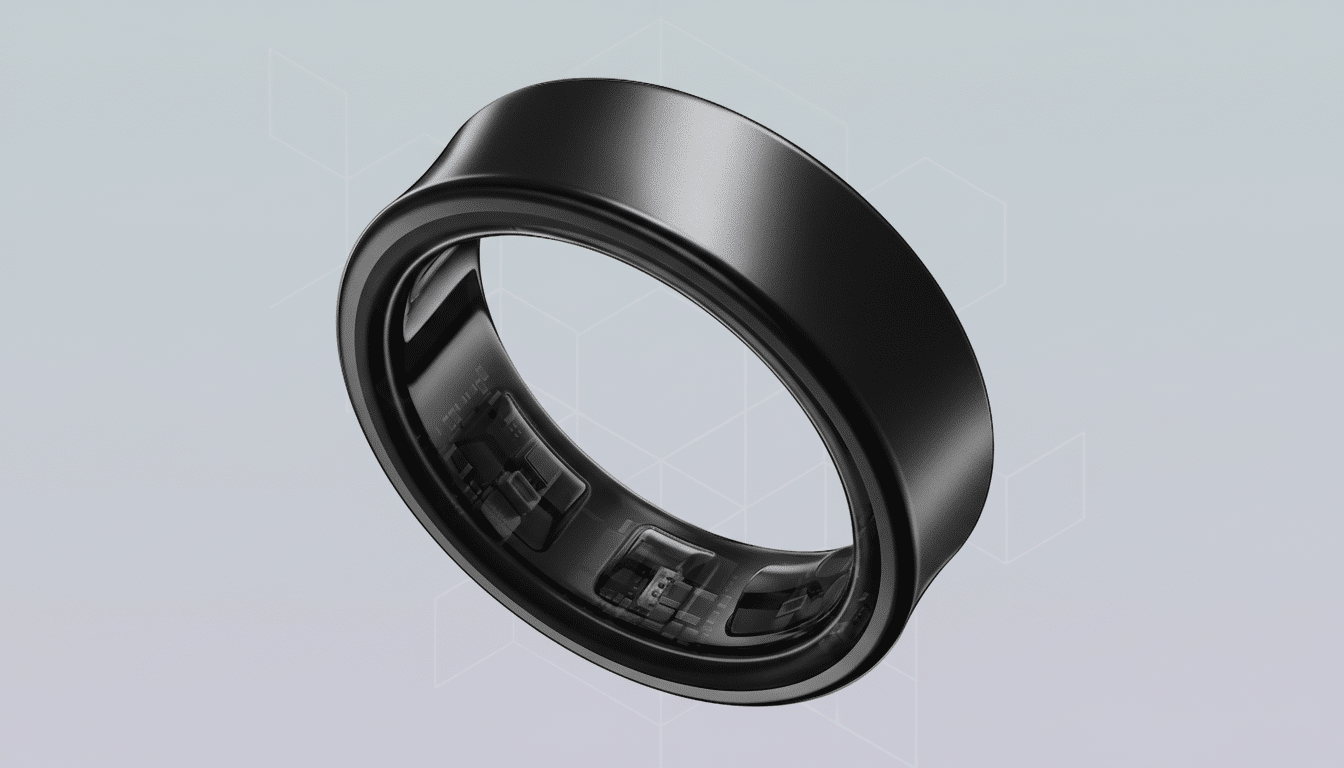
The shift traces back to a widely publicized case in which a Galaxy Ring swelled on a user’s finger at an airport, prompting a hospital visit. Samsung later concluded the battery was not the direct cause, citing a crack in the ring’s internal molding as the failure point. The company said an independent review reached the same conclusion and that no systemic battery risk was identified.
Technically, that should be reassuring. Practically, it highlights a familiar challenge in consumer electronics: perception lags evidence. One frightening anecdote can outweigh statistical rarity, especially with devices that sit tight against the skin and involve tiny sealed batteries.
Safety questions and real-world concerns
Reader feedback emphasized everyday worries beyond root cause. People asked how to remove a smart ring quickly if swelling occurs, whether home remedies are safe, and who to call in a pinch. Emergency physicians and hand surgeons note that time matters when a ring constricts circulation, and many fire departments carry ring cutters for rapid removal. Several manufacturers publish step-by-step removal guides, but users want clearer, more prominent instructions before an emergency happens.
Others questioned the utility of a ring if they already own a smartwatch, or raised concerns about durability given knocks, water exposure, and temperature swings. Still, not all experiences were negative: some long-term users report consistent, comfortable tracking, often citing products like Oura as examples of where ring form factors shine, particularly for sleep and recovery metrics.
Why it matters for the smart ring market today
Smart rings sit at the intersection of fashion, health insights, and convenience—appealing on paper, but unforgiving when trust slips. Market watchers have forecast steady growth for wearables overall, yet rings remain a small slice relative to watches, even with recent high-profile launches. Brands like Samsung, Oura, Ultrahuman, RingConn, and makers of women’s health–focused rings have been working to expand the category.
Rebuilding confidence will require more than a single investigation report. Expect tighter supplier controls and stronger quality gates, plus external validation where possible. References to standards such as IEC 62133 for rechargeable battery safety, ISO 10993 for biocompatibility, and robust ingress and temperature testing could help. Clear emergency-removal guidance, swift replacement policies, and transparent incident reporting would go even further to reassure first-time buyers.
What buyers can do now to choose and use smart rings
If you’re considering a smart ring, sizing and fit matter more than with most wearables. Fingers can swell with heat, exercise, altitude, or illness—choose a size with a small buffer and avoid tight fits. Know your removal options in advance, from lubrication techniques to dental-floss wraps, and where to seek help if those fail. Review warranty terms, water resistance claims, and any third-party testing the brand cites. If you already own a smartwatch, weigh whether a ring adds unique value, especially for sleep tracking or battery life.
The takeaway from the poll is straightforward: one dramatic incident can sway sentiment, and recovery takes time. With better communication, rigorous engineering, and a stretch of incident-free months, smart rings can regain momentum. But today, caution is in the driver’s seat—and the industry will have to earn its way back.