


A new reader poll points to a clear mandate for Google’s next foldable. Most respondents say the 2026 model needs more than a tune-up, signaling fatigue with incremental changes and growing expectations in a fast-moving category.
What the survey says about the next Pixel foldable
In a December survey of more than 1,700 readers by a prominent Android-focused outlet, 56% said they want a “major refresh” for the next-generation Pixel foldable. Only 21% are content with a small iterative update.
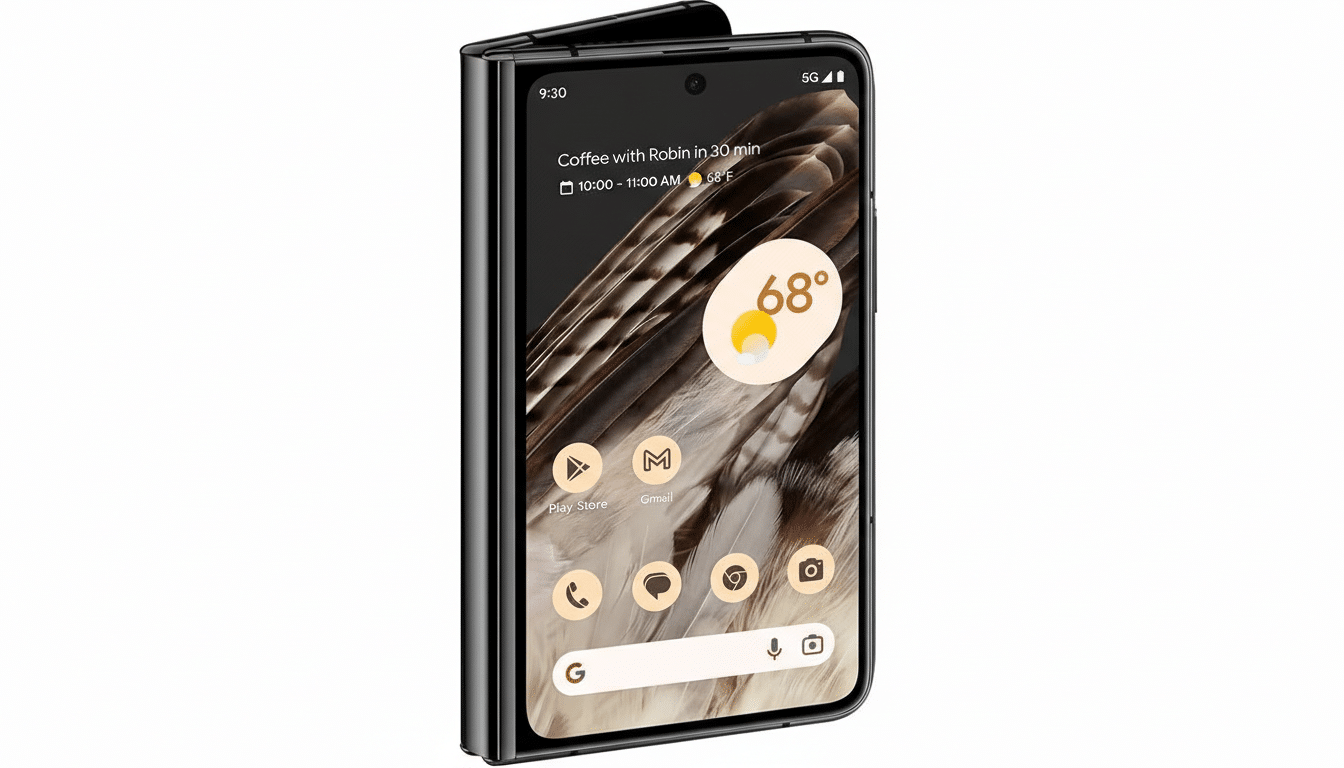
There’s also meaningful appetite for a different form factor. About 14% of respondents voted for a clamshell-style “Pixel Flip,” echoing the mainstream popularity of compact foldables from Samsung and Motorola. Just 9% said they don’t care, often citing a belief that Google trails rivals.
Why fans want a major overhaul of Google’s foldable
Feedback centers on performance, charging, and polish. Owners say the current Tensor G5 can lag during heavy multitasking, while charging remains capped at 30W—well behind the 45W–100W speeds seen from competitors in China and Korea.
Software fit and finish is another sticking point. Users report occasional glitches in multitasking, inconsistent app scaling, and quirks with continuity between the outer and inner displays. These are solvable, but they add up on a premium device.
Hardware fundamentals matter, too. A lighter chassis, a tighter hinge, a less visible crease, and better battery endurance are recurring asks. Many also want camera parity with Google’s slab flagship rather than a “good enough” setup.
What a 2026 Pixel Fold needs to deliver for buyers
Rumors point to an internal codename of “yogi” and a move to Tensor G6. If accurate, efficiency gains and improved thermals should be table stakes, not optional upgrades. Expect buyers to look for smoother sustained performance and cooler operation in long sessions.
Charging and endurance are next on the list. A bump beyond 30W wired charging, faster wireless speeds, and a larger cell would help close the gap with rivals. A thinner, lighter design with an improved hinge and stronger inner display protection would reinforce durability confidence.
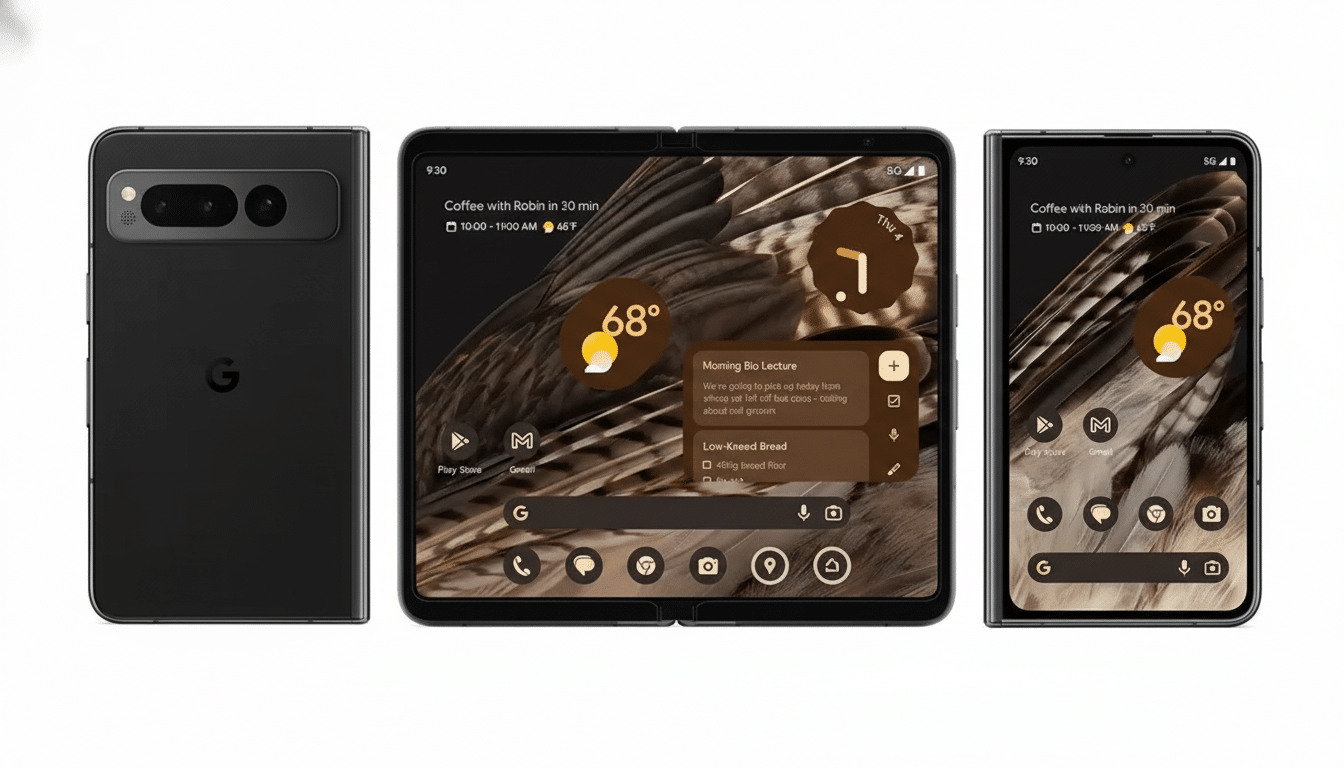
On the experience side, a foldable-optimized camera stack that matches the slab Pixel’s image quality would be a standout. So would refined multitasking gestures, smarter windowing, and more first-party apps tailored for large screens. With Google pushing on-device AI, buyers will also expect advanced features to run locally and exploit the big canvas.
Finally, support matters. Google now offers up to seven years of OS and security updates on its core flagships; customers will expect the foldable to match that commitment.
Clamshell curiosity is growing among Pixel fans
The 14% calling for a “Pixel Flip” reflects a broader market trend. Clamshells appeal to buyers who want a smaller pocketable device with a large screen on demand. A competitive price point and a large, useful cover display have been key to the success of devices like the Galaxy Z Flip and Razr.
Whether Google diversifies its lineup will depend on resources and priorities. A flip could broaden Pixel’s reach, but not if it compromises the book-style flagship that anchors the platform.
The market context for Google’s next foldable push
Industry trackers such as Counterpoint Research and IDC report that foldable shipments have grown steadily, with forecasts calling for double-digit expansion through the mid-2020s. Chinese brands have accelerated innovation in hinges and fast charging, while established players are standardizing water resistance and longer software support.
Google has an outsized role beyond hardware. Its work on large-screen Android—building on efforts that began with 12L—shapes what third-party apps can do on foldables. Delivering a category-leading device would reinforce that software leadership.
What to watch next as rumors build before unveiling
Recent Pixel foldables have been unveiled in August, so attention will turn to midyear for credible leaks and regulatory filings. If the survey’s message is any guide, the 2026 Pixel Fold will need tangible improvements across performance, endurance, design, and software to win over enthusiasts—and perhaps a clamshell sidekick to capture the curiosity of everyone else.