


Keeping your home free of pests is essential to maintaining a healthy, comfortable environment. Proactively addressing common pest issues can help maintain a safe space for your family and pets and prevent property damage over time. Whether you live in a city or a suburb, every household can benefit from adopting simple measures to minimize the risk of infestations. For those seeking professional support, pest control Columbia, SC, offers solutions tailored to regional pest challenges. Incorporating both preventative actions and ongoing vigilance is key to long-term success in pest management.
Understanding which steps to take can seem overwhelming, but with a straightforward approach, you can make your home less attractive to unwelcome guests. The most effective strategies combine common sense, practical upgrades, and regular maintenance. Tackling minor issues early prevents them from becoming serious problems that could impact your daily life and well-being. Below are comprehensive, easy-to-follow strategies anyone can use to help ensure a pest-free home.
Seal Entry Points
Preventing pests from entering your home starts with a thorough inspection of vulnerable entry points. Gaps and cracks around doors, windows, and foundations are common pathways for insects and rodents. Use weatherstripping or durable caulk to fill these gaps, and consider installing door sweeps to seal the gaps beneath exterior doors. Window screens are also vital; regularly inspect and repair them to keep flying insects out. By sealing off these portals, you make it significantly harder for pests to infiltrate your living space.
Maintain Cleanliness
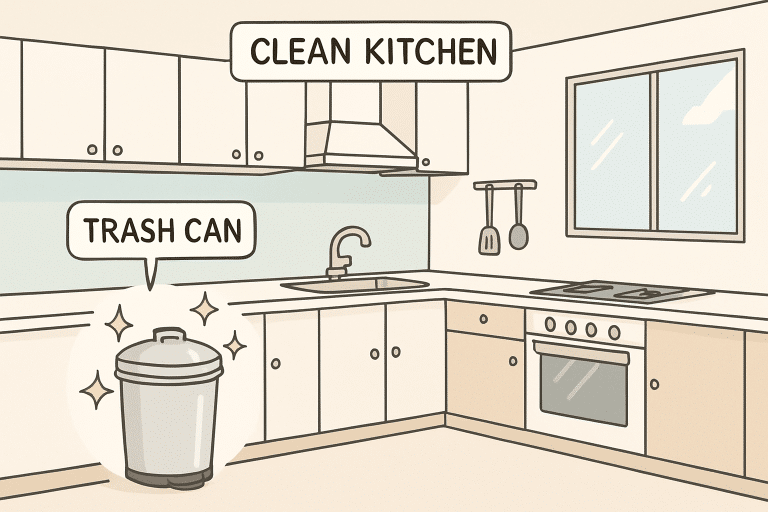
Good sanitation is a fundamental part of pest prevention. Pests are attracted to food residues and clutter, making kitchens and pantries prime targets. Here are a few steps to enhance cleanliness in your home:
- Wipe down kitchen surfaces and dining areas after each meal preparation.
- Sweep and vacuum floors routinely to remove crumbs and debris.
- Dispose of garbage regularly and use trash cans with snug-fitting lids.
- Keep foods in tightly sealed containers and avoid leaving pet food out overnight.
By consistently removing food, water, and hiding places, your home becomes far less attractive to pests. The Centers for Disease Control and Prevention (CDC) provides more tips on maintaining a healthy environment that deters common household pests.
Manage Moisture Levels
Excess moisture draws a variety of pests, from termites and cockroaches to mosquitoes. Keeping your home as dry as possible discourages pest activity and inhibits breeding. To manage humidity and leaks:
- Repair leaks in pipes, faucets, or appliances promptly to prevent standing water.
- Ensure your home’s drainage system directs water away from the foundation.
- Use dehumidifiers in areas susceptible to dampness, such as basements or bathrooms.
Establishing a moisture control routine protects both your property and your health, as many household pests can trigger allergies or spread illness when given access to water sources.
Utilize Natural Repellents
For those seeking chemical-free solutions, natural repellents can offer an extra line of defense against pests. Essential oils like peppermint, citronella, and eucalyptus are well known for their repellent properties. By mixing several drops with water in a spray bottle, you can create an easy-to-use spray to apply along windowsills, doorways, and baseboards. The aroma from these oils not only deters pests but also leaves your home smelling fresh. Reapply every few days for ongoing protection, especially during peak pest seasons.
Install Physical Barriers
Physical barriers are instrumental in preventing pest entry without relying on chemicals. Durable window and door screens help keep flying insects outside, while mesh covers over vents and chimneys keep birds, rodents, and larger pests out. Regularly check these barriers for rips or dislodgement to ensure they remain effective. For areas known to be high-traffic for pests, such as crawl space vents, consider using finer mesh to protect against even the smallest intruders.
Implement Integrated Pest Management
Integrated Pest Management (IPM) is an environmentally responsible way to approach pest control. This method focuses on understanding pest biology and behavior, monitoring activity, and using a combination of physical, biological, and minimal chemical interventions. For example, IPM strategies may include setting traps, introducing beneficial insects, and applying targeted, low-toxicity treatments only when necessary. This multifaceted approach prioritizes safety for both humans and pets while minimizing environmental impact.
Conduct Regular Inspections
Routine inspections are crucial for spotting minor problems before they escalate into full-blown infestations. Check attics, basements, garages, and exterior walls for telltale signs such as droppings, nests, gnaw marks, or hair. Pay special attention to areas with handy hiding places, such as storage boxes or behind appliances. Document any signs you observe and take action promptly to address the issue. According to Consumer Reports, early detection is one of the most reliable ways to avoid major pest problems.
Leverage Smart Technology
Smart home technology is becoming an integral part of modern pest prevention. Ultrasonic pest repellers, for instance, emit sound waves that are disturbing to pests but undetectable to humans and pets. Position these devices in problem areas, such as kitchens, basements, or close to entryways, for optimal coverage. Most repellers are energy-efficient and can cover large spaces effectively, but it is essential to use multiple devices in homes with numerous rooms or entry points. Place the units at a height of 2 to 4 feet off the ground and ensure they are not obstructed by heavy furniture or curtains.
Adopting these pest prevention strategies will substantially reduce the risk of infestations while providing peace of mind. By combining routine maintenance, vigilant monitoring, and traditional and modern methods, every homeowner can enjoy a safer, more comfortable living environment.