


Creating venture-backable companies in markets rooted in heavy regulation is not the exception to the rule. There is a new breed of founder that’s making compliance a competitive asset, and demonstrating that the time-and-cost delays associated with approvals, reimbursement, and commercialization can be worked to unlock venture-scale results—even in markets where agencies, statutes, and standards decelerate the default startup tempo.
Why Venture Still Likes Regulated Bets at Scale
Regulated markets are large and spectacularly inefficient. Healthcare alone is 17% of U.S. GDP, financial services well over 7%, and energy/transportation are trillions in annual spend on their own. Venture investors continue to pile in because category leaders in these categories build themselves durable moats: once you clear the bars, follow-on competitors must leap over the same hurdles with less headroom. Rock Health noted that U.S. digital health startups raised more than $10 billion in 2023 despite a wider venture pullback, highlighting continued appetite where clinical validation and reimbursement protect margins.
- Why Venture Still Likes Regulated Bets at Scale
- Design to Regulation, Not Around It, From Day One
- Capital Strategy for Long Time Horizons in Regulated Markets
- Go to Market and Stay Compliant Without Slowing Down
- Make RegOps Core to the Business and Customer Value
- What Investors Want to Know Now About Regulated Plays
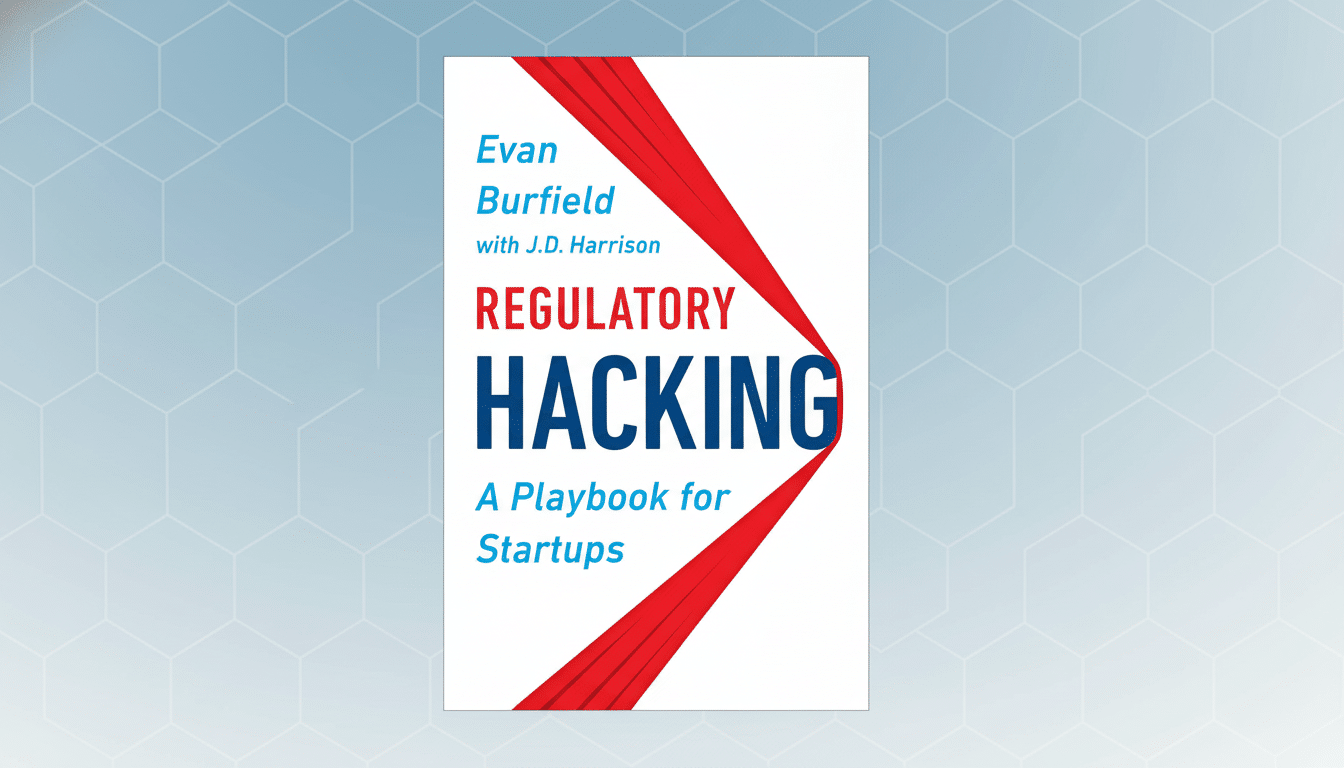
The risk profile is the opposite, and not necessarily worse. Regulatory milestones take the place of blitz-scaling as the early traction narrative. Investors who understand FDA pathways, bank charters, or state-by-state licensure can underwrite those milestones like any other product roadmap, based on diligence tied to agency guidance and precedent as opposed to vanity metrics.
Design to Regulation, Not Around It, From Day One
Winning teams are about compliance from day one. In medical devices, that involves constructing under a quality system (typically ISO 13485) and charting a clear predicate for a 510(k), or defining clinical proof for De Novo or PMA. Performance reports from the FDA indicate that 510(k) reviews now, applied end to end, typically take a number of months, while novel devices with greater risk can take much longer. The companies that can pre-shadow (pre-align with inputs from the agency as to what they are interested in) before submission and don’t have any surprises—are cash conservers.
Fintech founders are not immune from such a calculus. Even as teams pursue more lasting licenses, the quickest way to get to market often involves sponsor banks and compliance partners. Academic researchers, Office of the Comptroller of the Currency officials, Federal Reserve staff, and state banking departments demand significant controls over risk and vendors as well as capital plans well before there is meaningful conversation about a charter. In crypto, only a handful of BitLicenses have been awarded by the New York State Department of Financial Services since 2015, demonstrating how few approvals can turn into branding, not just permission.
When policy is treated as product, the law is the constraint. Green end-of-life innovators, for instance, have grown by pushing for new state laws that accept emerging forms of final disposition. That playbook replicates tactics in the worlds of autonomous vehicles and drone delivery, where companies painstakingly negotiated with federal aviation regulators and state legislatures to create a legal framework for pilot projects, then scaled operations.
Capital Strategy for Long Time Horizons in Regulated Markets
When the financing plan matches the regulatory plan, these are all venture-backable companies. Wise founders translate each approval into a fundable milestone: pre-submission feedback, investigational exemptions, market clearance, reimbursement decisions, and commercial expansion. The bridge is often non-dilutive funding—NIH SBIR/STTR grants in life sciences or Department of Energy programs in climate tech, state innovation funds in fintech and digital identity.
Reimbursement is a growth engine of its own. In healthtech, an early Category III CPT code serves as a clear sign of demand and as the prelude to Category I status and broad coverage. Policy at the Centers for Medicare & Medicaid Services and at private payers is established using real-world evidence. Companies that instrument outcomes from first clinical deployments not only accelerate payer decisions but broaden their moat with proprietary data sets regulators and clinicians trust.
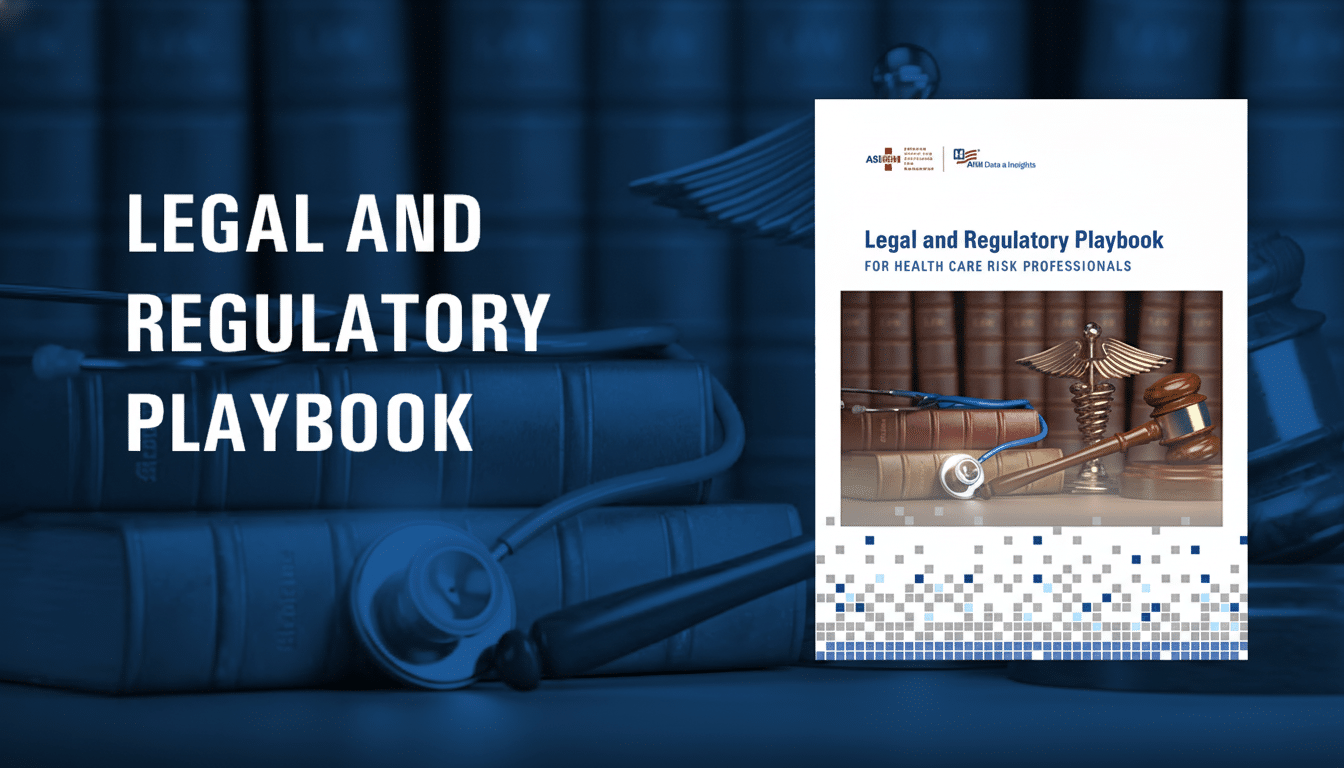
Go to Market and Stay Compliant Without Slowing Down
Speed and compliance are not on opposing ends of a spectrum; they are levels. Telehealth platforms rapidly expanded by operating within state and local rules of physician licensure and pharmacy laws, then expanded nationally using the Interstate Medical Licensure Compact as well as through e-prescribing controls. In fintech, card programs are released through program managers and bank partners while building their investment in transaction monitoring, KYC, and AML to enterprise-grade from day one. The outcome: faster pilots that hopefully hit fewer “rip-and-replace” headaches as scrutiny ramps up.
Founders must reconcile the initial customer with the regulatory reality. Hospitals with value analysis committees, banks with model risk frameworks, and utilities with safety regimes are sluggish but adhesive. Find a high-pain, high-compliance buyer who also happens to lift the reimbursement, safety, or accreditation cases up from their respective customer trophies; they will think their bosses’ approved partners are in an organization created around you being massaged even if real diligence is something for later-stage investors.
Make RegOps Core to the Business and Customer Value
Because regulatory operations is product and sales: goaled, resourced, measured. Teams that collect policy intelligence, audit trails, and change management in one place can move faster when the rules change. Imagine a living evidence plan linked to your data stack, a formal risk register, and internal “no-action” memos that capture decision-making in the very language regulators and auditors expect. In security and privacy, SOC 2 and HIPAA are table stakes; in devices, design controls and post-market surveillance are constant, not epocish.
The most effective founders sell compliance as customer value. If noninvasive imaging achieves clinical endpoints, hospitals purchase fewer biopsies. If people are not convinced that there is enough process in place, they will vote with their wallets. When oversight is auditable, banks sign partners sooner. When that adds up to a reduction in friction, total cost, and de-risking the procurement process, compliance becomes a feature.
What Investors Want to Know Now About Regulated Plays
Evidence replaces hype. You want to hear workload and expectations adjusted around agency feedback, give some perspective on a realistic timeline (and not this literal dog-years nightmare nonsense) with cash between now and the next milestone that is 12-18 months beyond. They seek boards with regulatory depth, and not just go-to-market flash. They also discount TAM until a reimbursement code, license, or regulatory maneuver affords them access to more of it—and then asymmetrically underwrite step changes in distribution.
The playbook is simple: Choose a wedge issue validated by such policy, map the regulatory journey into your product plan, finance to milestones with a blend of venture and non-dilutive capital, and treat compliance as a customer-facing advantage. In the tightest markets, that discipline isn’t just how you get by—it’s how you win.