


Spotify is raising the monthly price of its Individual Premium plan in the United States to $12.99, a $1 increase that marks the third hike in as many years. Paying users have begun receiving email notices, with the new rate taking effect on their next billing cycle. The company said periodic adjustments reflect added product value and help fund investments that benefit artists and listeners.
The move extends a steady climb from $9.99 to $10.99, then to $11.99, and now $12.99 for the same plan. Cumulatively, a solo subscription is up roughly 30% since the first increase, pushing an annual outlay to about $155.88 before taxes.
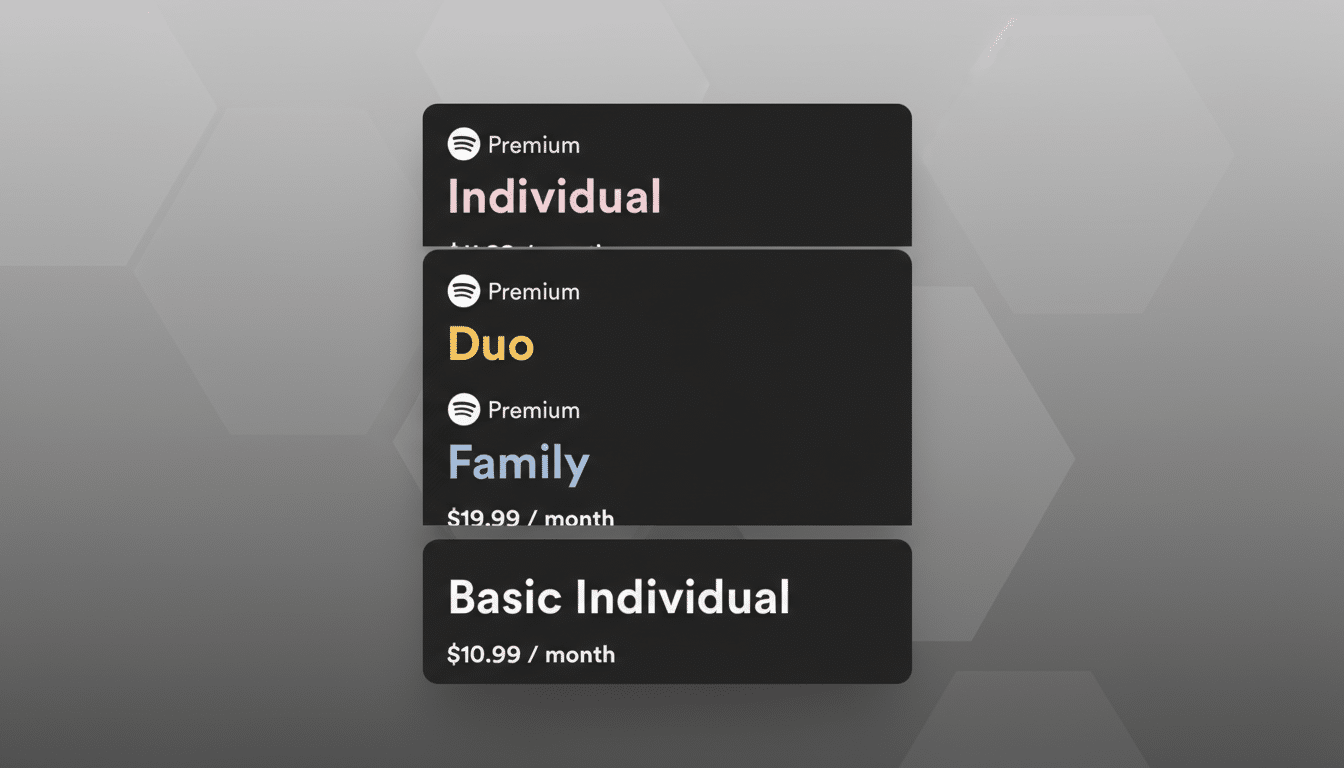
What Changes for US Spotify Premium Subscribers Now
The new price applies to Individual Premium users in the US. Spotify has not detailed uniform changes for Duo, Family, or Student tiers alongside this move, and the ad-supported free tier remains available. The company is also adjusting prices in Estonia and Latvia, continuing a broader round of global updates that previously reached markets such as the UK and Switzerland.
For day-to-day users, nothing else about the service changes at checkout—just the number on the bill. Premium still includes ad-free music, offline playback, and access to Spotify’s audiobooks catalog with a monthly listening allowance, features the company has leaned on as justification for higher pricing.
Why Spotify Is Raising Prices for Premium in the US
Spotify’s stated rationale echoes the wider streaming industry: licensing costs, product expansion into podcasts and audiobooks, and a push toward sustainable profitability. In a company blog post, it framed the adjustment as part of delivering “the best possible experience” while supporting artists and rights holders.
This is not an isolated shift. Rival services have also nudged subscriptions upward in recent years, resetting what counts as a standard price for on-demand music. Incremental increases allow platforms to lift average revenue per user without radically changing offerings or user experience.
The Business Math Behind Spotify’s New US Price Hike
Spotify reported more than 281 million Premium subscribers globally, with about a quarter in North America, according to its most recent quarterly results. Even after accounting for plan mix and promotions, a $1 lift on a large US base can quickly add up. Analysts at JPMorgan have estimated that a US price increase of this magnitude could add roughly $500 million in annual revenue, an outlook previously reported by the Financial Times.
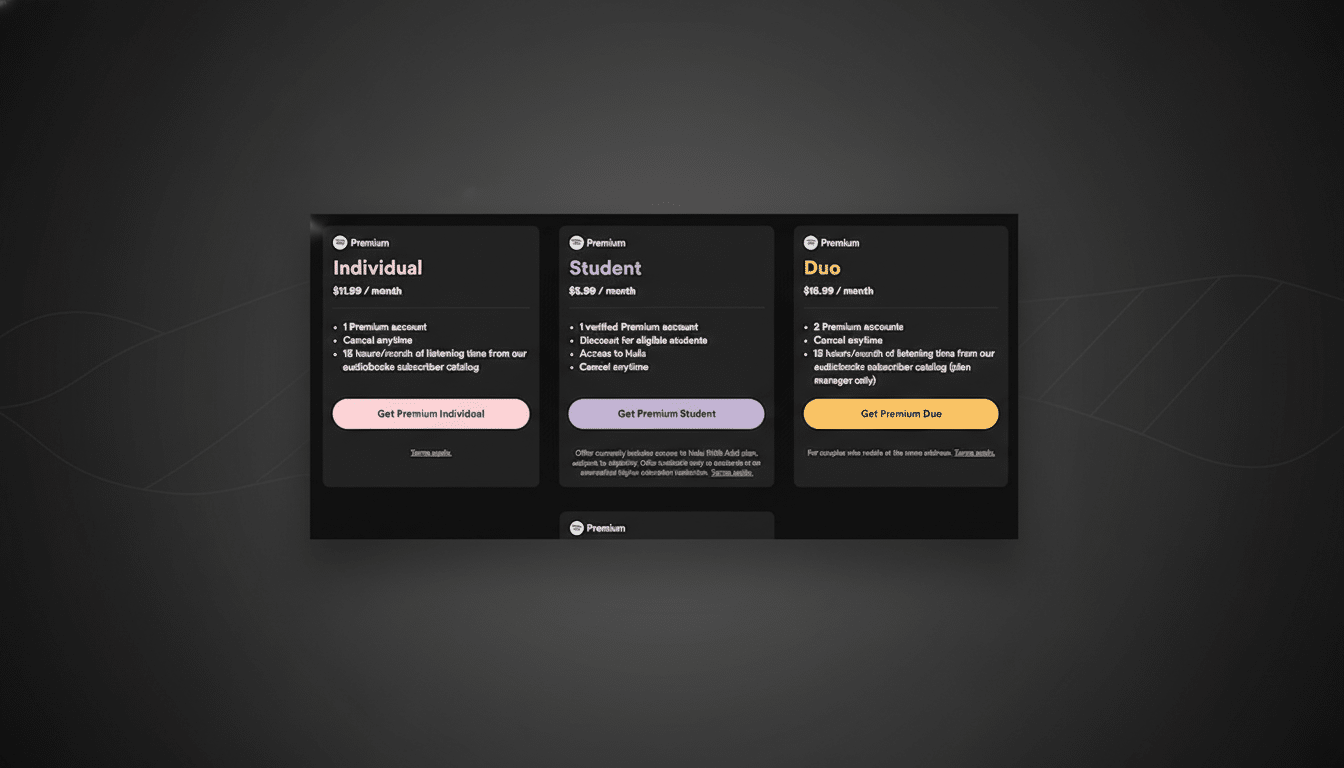
ARPU has been pressured over time by discounted tiers and growth in lower-cost regions. Targeted increases in mature markets like the US help counter that drag. The risk, of course, is churn. But Spotify has pointed to historically resilient retention, suggesting that content breadth, personalized discovery, and multi-format listening can blunt cancellations following price moves.
How Spotify’s New Price Stacks Up Against US Rivals
At $12.99 for a standard individual plan, Spotify now sits at the upper end of major US music services. Competitors including Apple Music, YouTube Music, Amazon Music, and Tidal have all raised rates over the past two years, narrowing the price gap across the category. That convergence shifts competition back to catalog depth, recommendation quality, exclusive content, and bundled perks like audiobooks or higher-fidelity audio.
For consumers, the calculus is value per dollar. Spotify’s case rests on its recommendation engine, large podcast slate, and a single subscription covering music and reading time. For price-sensitive users, student plans, carrier bundles, or family accounts may still offer a better effective rate than paying individually.
What to Watch Next After Spotify’s US Premium Hike
Keep an eye on whether Duo, Family, and Student plans follow with adjustments, and on how this US hike flows through Spotify’s next earnings in the form of ARPU, churn, and guidance. Also watch for further international price rounds as the company continues to harmonize pricing and steer toward stronger margins.
The headline takeaway is straightforward: Spotify is charging a dollar more each month for Premium in the US. The bigger story is strategic—using disciplined price steps in core markets to grow revenue without derailing subscriber momentum in a fiercely competitive streaming landscape.