


Starbase, the South Texas company town anchored by Elon Musk’s SpaceX launch and manufacturing site, has moved to create its own police department, advancing a plan city leaders say is necessary to safeguard high-value aerospace operations and serve a small but growing, isolated community. The ordinance, approved at a special commission meeting, still requires the Texas Commission on Law Enforcement to authorize the new agency before it can hire officers and begin patrols.
What the New Starbase Police Force Will Look Like
Under the measure, Starbase’s police department would be led by a chief selected by the city commission and start with about eight sworn officers. That is a sizable footprint for a city of only a few hundred residents, most of them SpaceX employees or family members, but the remit will extend well beyond routine calls. City officials say the force will protect critical infrastructure tied to SpaceX’s Starship testing and manufacturing lines, where activity occurs around the clock.
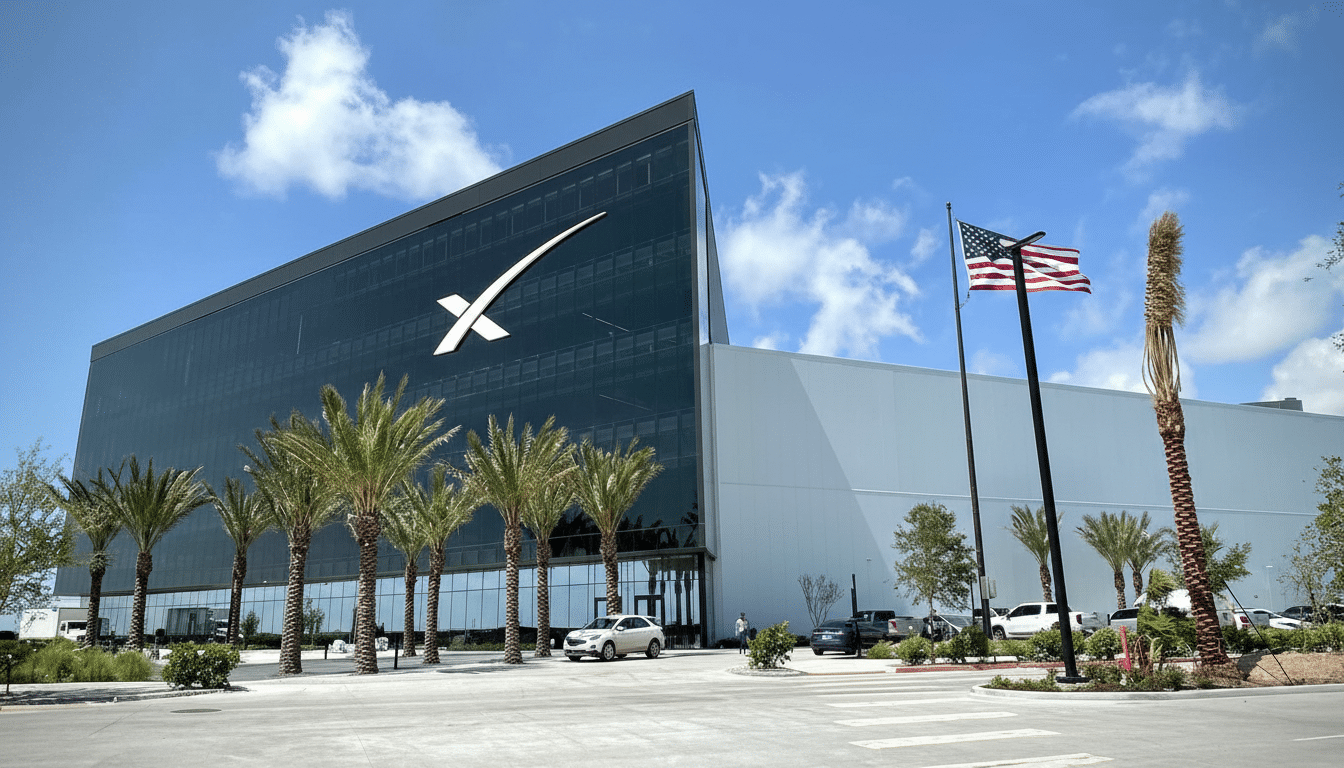
The department’s launch timeline is measured in months, pending state approval. TCOLE typically requires new agencies to establish a chief, policy manuals covering use of force and evidence handling, training and licensing records, and access to appropriate communications and jail arrangements. Starbase has reportedly retained Vision Quest Solutions, a security consulting firm, to help build out the unit and its procedures.
Why Starbase Wants Its Own Police Officers and Unit
Starbase sits roughly 10 miles from Brownsville, but narrow roads and checkpoints can stretch the drive well beyond half an hour. That distance, plus frequent traffic spikes tied to test activity and spectators on launch days, has complicated traditional policing coverage. The city initially tried a contract model, approving a five-year, $3.5 million agreement that would have placed eight Cameron County sheriff’s deputies on a dedicated detail with two on duty at any time. Recruiting proved difficult and the arrangement faltered, according to local officials.
City administrator Kent Myers has said the motivation is straightforward: the town holds expensive equipment, sensitive test articles, and a 400-foot-class launch complex that needs dedicated protection. A municipal department offers tighter control over staffing and scheduling, and it allows Starbase to build specialized protocols around road closures, exclusion zones, and emergency response during engine tests or static fires.
From Volunteer Firehouse to Full Services
The police plan is the latest step in Starbase’s civic buildout since incorporation last year. The city stood up a volunteer fire department in the fall, created a fire marshal position, and brought building inspections and permitting in-house. Those moves mirror the needs of a company town with heavy industrial work, where response times and technical expertise matter. A corrections arrangement remains in place with Cameron County, with the city agreeing to per diem payments for any inmates housed in the county jail and covering extra costs such as medical care.
Oversight, Staffing, and Training for the Department
Once TCOLE signs off, every Starbase officer will have to hold a state peace officer license and maintain continuing education. The Bureau of Justice Statistics has reported a national average of roughly 2.4 officers per 1,000 residents for local departments; Starbase’s planned headcount would exceed that ratio by design, reflecting the mission to secure a sprawling industrial campus as much as a residential area. Expect mutual aid agreements to remain important, especially for major incidents or large launch-day crowds.
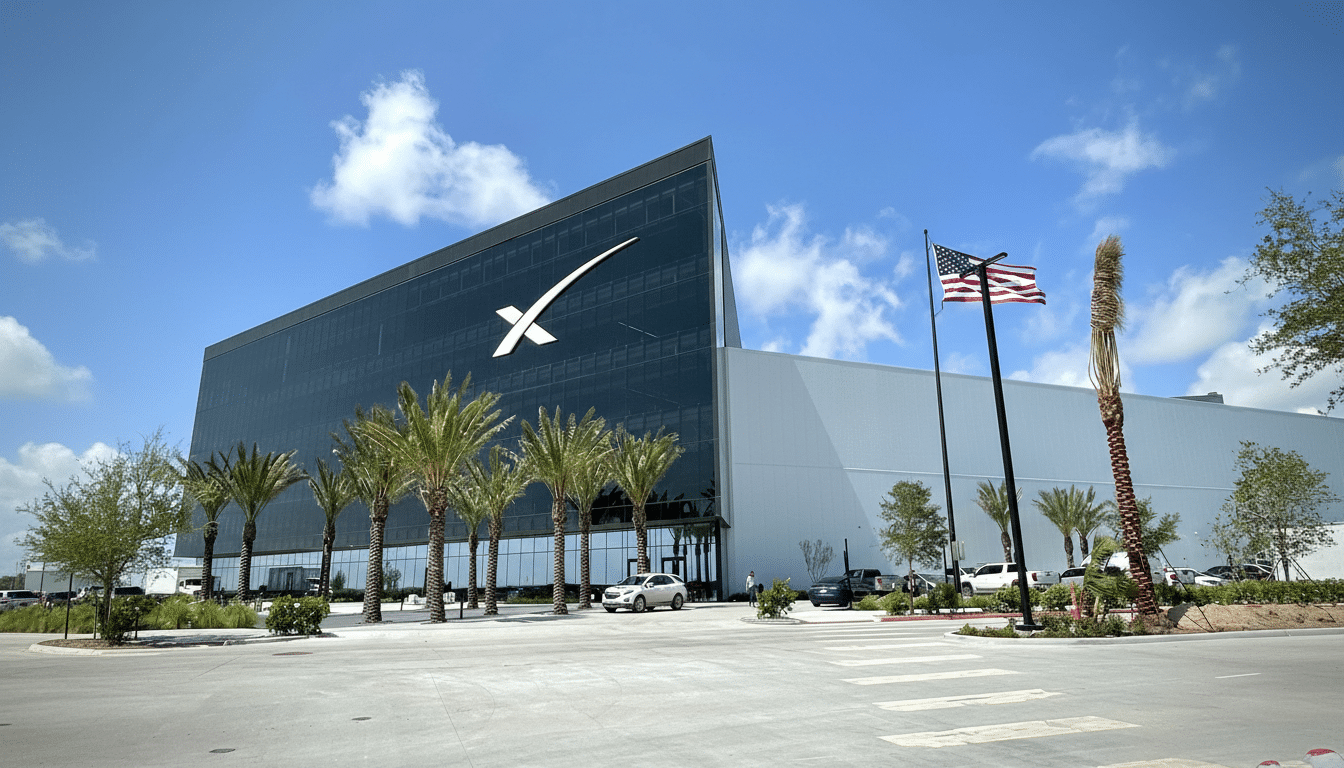
Accountability will be closely watched. As a public agency, the department will be subject to Texas public information laws, state-mandated racial profiling reports, and use-of-force documentation. Funding details have not been disclosed, but the city’s budget will need to cover salaries, dispatch, vehicles, records systems, body cameras, and insurance—cost centers that often surprise newly formed departments.
Implications For Space Operations And Neighbors
SpaceX’s Starship program has attracted national attention and large crowds for test milestones. Coordinating road closures, beach access, and safety perimeters has required a patchwork of county, state, and federal involvement, including FAA launch licensing and Cameron County’s beach-management authority. A local police department gives Starbase a single command node to synchronize with those agencies, potentially smoothing traffic control, crowd management, and emergency routing on test days.
For Brownsville and the county, the shift could free up deputies while formalizing how Starbase handles day-to-day calls. The city previously agreed to pay the county $100 per inmate per day for jail use, and city leaders have indicated they expect those interlocal arrangements to continue even as municipal policing comes online.
A New Spin on the Company Town Model at Starbase
Company towns are not new, but a municipal police force built around an active rocket launch site is unusual. Historical examples—from mining camps to Gulf Coast refinery cities—show that specialized local services tend to follow concentrated industry. The challenge is balancing the needs of a dominant employer with transparent, community-first policing. How Starbase recruits, trains, and governs its officers will set the template for other high-tech company towns eyeing similar autonomy.
The immediate next step is procedural: securing TCOLE approval and hiring a chief. The longer-term test will be cultural. If Starbase can pair aerospace-grade safety rigor with modern policing standards, the small city could become an unlikely case study in how to police a launchpad.