


Sony’s top-end noise-canceling lineup just gained two new invaluable smart features. New firmware for the WH-1000XM6 over-ears and WF-1000XM5 earbuds unlocks Gemini Live support for AI assistance in conversation, and audio sharing through Google’s Fast Pair standard, keeping Sony’s best sellers up to date with the newest Android audio stack.
Gemini Live comes to Sony’s flagship headphones
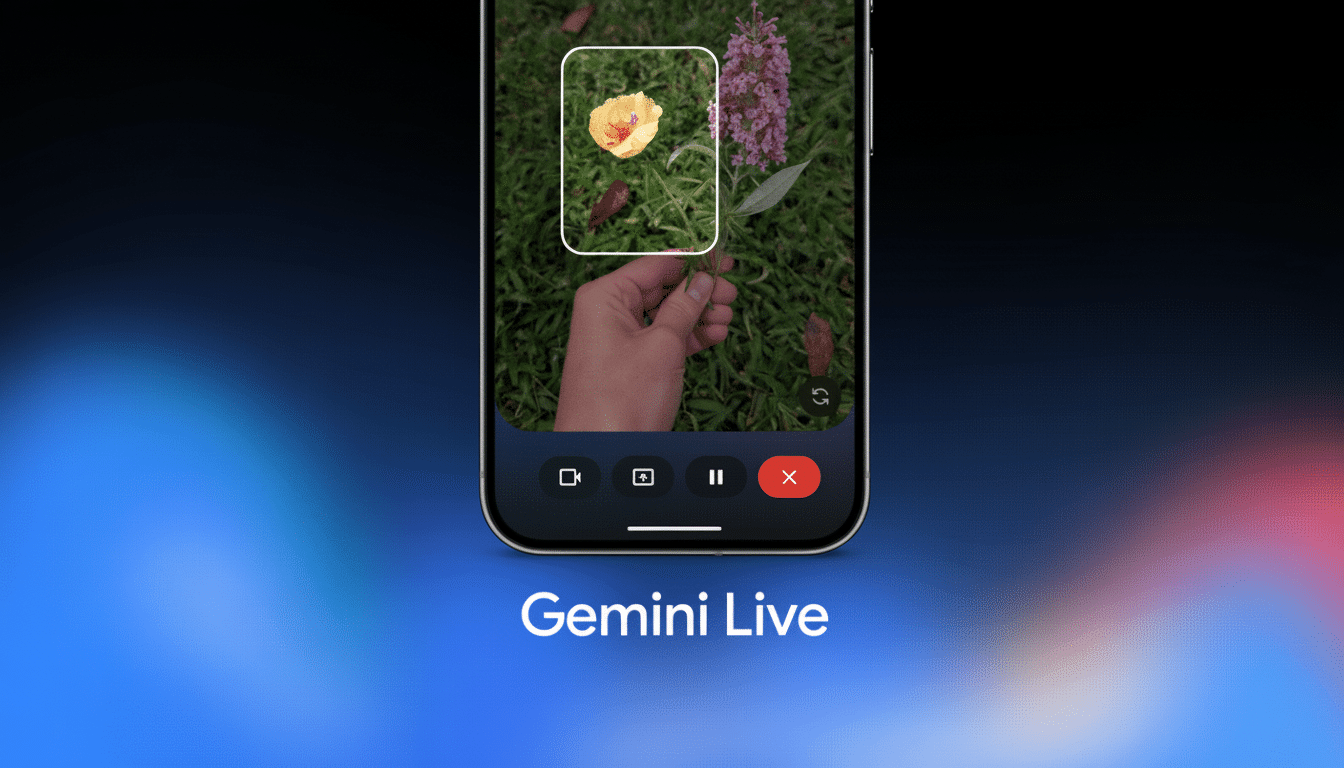
Gemini Live gives your headphones a voice by enabling natural, human-like conversations with Google’s state-of-the-art model using your headset mic and speakers for hands-free use. In practical terms, that means you can request itinerary changes while on the move in an airport, receive turn-by-turn clarifications during a commute, or ask for translations on the fly without having to dig out your phone. Like a phone call, the experience is two-way: you talk and Gemini talks back in real time, and it can run as you switch between apps.
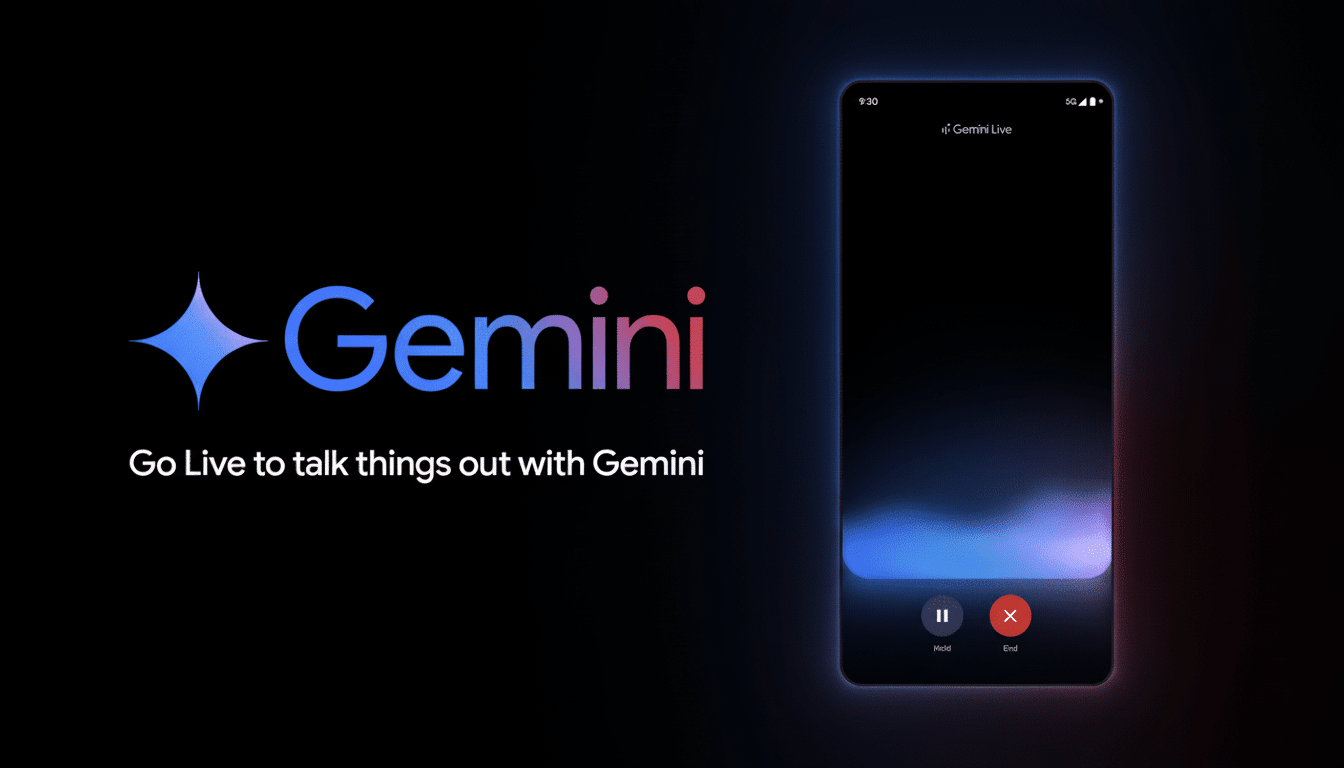
It still depends on your region and your Android device, but the headset-side support is key. Now that on-headset input and output are available, Sony’s products will offer wake words, tap-and-talk gestures, and better voice pickup for Gemini Live — just like more advanced earbuds do with phone assistants. It’s a sensible upgrade for regular travelers and productivity-focused work-from-homers who already depend on Sony’s class-leading ANC to find some hush.
Audio sharing with Fast Pair explained in detail
The other major addition is audio sharing via Fast Pair, Google’s close-range pairing system. With a compatible Android phone, you can convey the same audio to multiple headsets simultaneously — like watching movies with a partner on a tablet, co-listening to a playlist on public transit, or syncing audio for an exercise class. Google says its new Audio Share standard enables broadcasts to as many receivers as you want — it has mentioned being able to connect 20 or so compatible devices, a far cry from the two-device limit found in older “dual audio” systems.
Behind the scenes, it relies on a trio of technologies promoted by the Bluetooth SIG: Bluetooth Low Energy, LE Audio, and the Auracast broadcast spec. The LC3 codec in LE Audio was designed to offer higher quality at lower bitrates than SBC, which should make connections more stable in situations with a lot of wireless interference. Or, in plainer words, you get more consistent multi-listener audio with lower battery demands than manufacturer-duplicated classic Bluetooth streams.
What you need for audio sharing to work properly
There are some boxes to check — or leave unchecked. Your Android phone has to support Fast Pair audio sharing (Google’s rollout is initially prioritizing its own phones with modern versions of the OS), and for your headphones or earbuds, firmware enabling LE Audio and Auracast reception is required (something this update brings to the WH-1000XM6 as well as the WF-1000XM5). Bluetooth 5.3 hardware is already part of both Sony models, a necessity for LE Audio features.
Operationally, the host phone does all the heavy lifting. You get a reminder to add listeners; nearby compatible headphones show up automatically, and everything connects with a few taps. If you’re listening to solo music over a high-bitrate codec like LDAC, for example, the system will automatically switch on an LE Audio profile if you then want to share it so everyone can receive the broadcast equally well.
Battery life and performance considerations explained
When you broadcast to multiple headsets, it is usually the phone that ends up drawing more power, not the headphones themselves. The WH-1000XM6 and WF-1000XM5 should keep enough battery life to back up their rated endurance per charge when joining a broadcast, though the host device may become a bit thirsty, especially with multiple listeners active. LE Audio will assist here: Bluetooth SIG lab data has shown how LC3 is more efficient in comparison — consuming fewer bits for approximately the same perceived quality vs. SBC — an approach that reduces overhead and increases stability of connections at range.
Latency is still good for video co-watching; group gaming will be more challenging and depends on the phone’s audio pipeline, not just Sony hardware. Active noise-canceling, Adaptive Sound Control, and Sony’s DSP features are all still up and running when sharing.
How Sony fits into the evolving audio ecosystem
Sony will be on the cutting edge for Android multi-listener audio with this update. Apple was the first big company to drive easy audio sharing within its own ecosystem, and Samsung Dual Audio’s two-listener approach doesn’t have an Auracast feature. Google’s move also scales thanks to LE Audio and Auracast, while Sony’s support positions both the XM6 and XM5 for new broadcasting use cases — museums, gyms, and airports are starting to experiment with Auracast-friendly audio channels according to Bluetooth SIG press releases.
It’s also a future-proofing move. As more Android brands implement Auracast and Fast Pair enhancements — Xiaomi has officially pledged its support for LE Audio — being able to join or host broadcasts will become the de facto standard in premium headphones. Sony’s implementation makes sure their premium ANC family remains in the game without sacrificing legacy benefits, including LDAC support for high-resolution solo listening, of course.
Bottom line for WH-1000XM6 and WF-1000XM5 owners
If you have either of these models, this update will expand the range of possible activities in your daily routine. Gemini Live turns the headphones into a voice-first interface for scheduling, search, and on-the-spot assistance. Fast Pair audio sharing means you can just hold your phone near your friend’s, and it becomes a mini broadcast hub for co-listening without any dreadful dongles or faffing about with manual pairing.
Just keep the Sony Headphones Connect app updated with the latest firmware on a compatible Android device to get access. For Sony’s core crowd, this is an intelligent and future-proofed upgrade that mashes AI smarts with the latest wireless audio standards.