


If you’re shopping for premium noise-cancelling earbuds, the two names on your shortlist are clear: Sony WF-1000XM6 and Apple AirPods Pro 3. Both are new-generation flagships with smarter ANC, longer battery life, and meaningful usability upgrades. But they don’t win for the same reasons—and the right pick depends on what you value most and which devices you use every day.
Price and Value at a Glance: What Each Model Offers
Apple holds the line at $249 for AirPods Pro 3, while Sony asks $329.99 for the WF-1000XM6. That $80 gap is not trivial; for many iPhone owners, Apple’s price-to-feature mix is the immediate draw. Android users, however, should look closely at Sony’s extras before making a call.
- Price and Value at a Glance: What Each Model Offers
- Design and Comfort: Fit, Controls, and Long-Wear Comfort
- Noise Cancellation and Transparency: ANC Power and Realism
- Sound Quality and EQ: Default Tuning and Customization
- Connectivity and Codecs: Bluetooth, Multipoint, and More
- Battery and Charging: Real-World Endurance and Quick Top-Ups
- Call Quality and Wind Handling: Clarity in Real Use
- App experience and extras: controls, features, and fit tests
- Which Should You Buy? Choose Based on Devices and Priorities
Design and Comfort: Fit, Controls, and Long-Wear Comfort
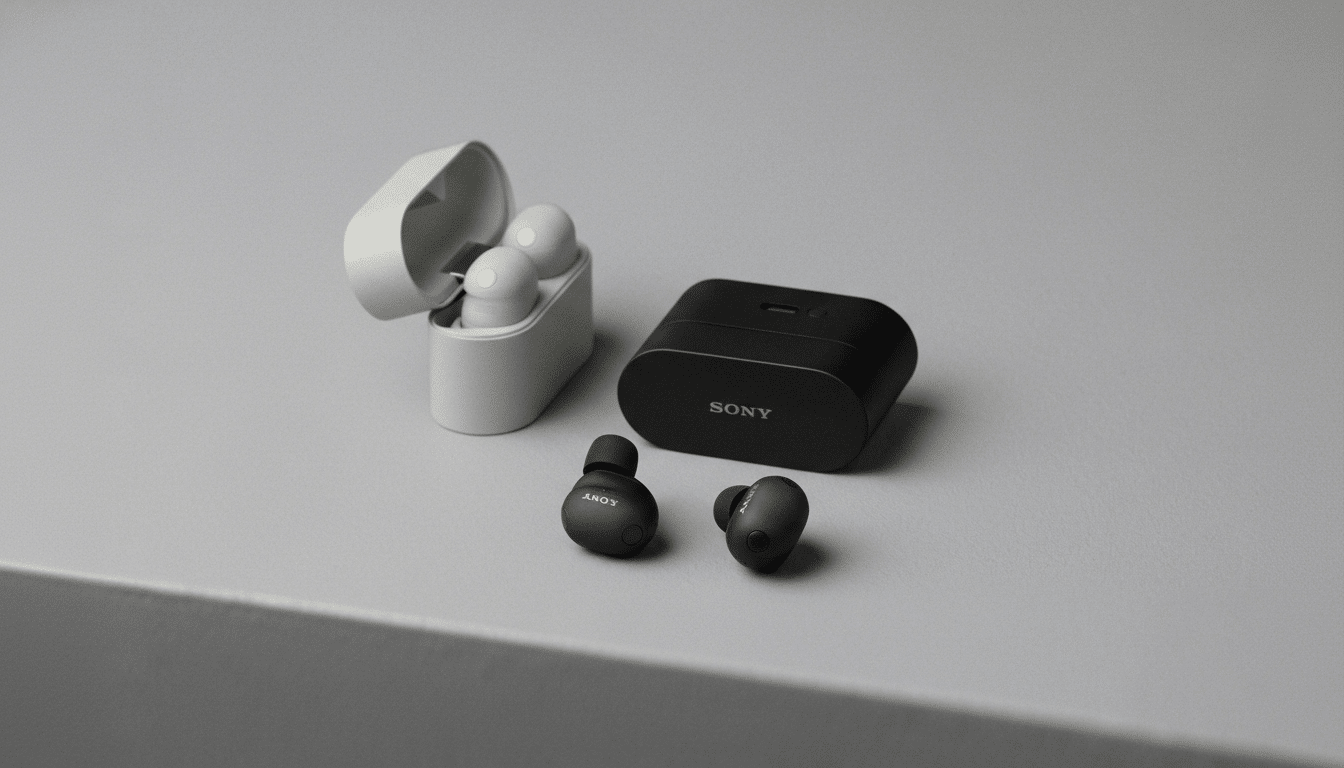
AirPods Pro 3 stick with Apple’s compact stem design, which spreads weight below the ear and enables reliable pinch controls without pressing the bud deeper. The WF-1000XM6 goes stemless with a rounded, low-profile shell; taps work well, but the input can produce a faint thud in-ear. In daily wear, AirPods feel lighter and more “invisible” over long stretches, while Sony’s larger housings benefit from careful tip selection to lock in a good seal.
Charging cases are pocketable across the board, but Apple’s is the smallest and supports MagSafe and Apple Watch puck charging. Sony’s case is slightly larger yet still travel-friendly, with Qi and USB-C in tow.
Noise Cancellation and Transparency: ANC Power and Realism
Both pairs deliver top-tier ANC, but they tune it differently. On a subway platform, AirPods Pro 3 excel at adaptive behavior, smartly ramping suppression for rumble and chatter without introducing pressure or hiss. Sony’s new processor and redesigned drivers markedly improve low-frequency attenuation versus prior generations, and once you’ve nailed the seal, they curb HVAC hum and aircraft drone confidently.
Transparency is where Apple pulls ahead. Voices sound startlingly natural—close to hearing unaided—making quick conversations or city awareness feel effortless. Sony’s Ambient mode is good, but higher frequencies can skew a touch synthetic by comparison. Reviewers at organizations like RTINGS and SoundGuys have consistently praised Apple’s transparency approach for realism, and the latest model keeps that lead.
Sound Quality and EQ: Default Tuning and Customization
Out of the box, AirPods Pro 3 present a balanced, slightly bass-lifted signature with clean treble and strong spatial cues for their size. They’re tuned to please broadly and they do, from pop to podcasts. Sony takes a more neutral, studio-leaning approach with excellent detail retrieval and a wider-feeling stage—acoustic guitars and hi-hats have air without sounding brittle.
Crucially, Sony gives you control. The Headphones Connect app offers a full 10-band EQ (31Hz–16kHz) plus presets and per-app settings. Apple provides no manual EQ, relying on Adaptive EQ and system-level enhancements. If you like to tailor your sound, Sony’s flexibility is a material advantage.
Connectivity and Codecs: Bluetooth, Multipoint, and More
Both support Bluetooth 5.3, but codec strategy diverges. Sony includes LDAC and LC3 (LE Audio-ready, per Bluetooth SIG guidance), which can deliver higher bitrates and lower latency on compatible Android devices. AirPods Pro 3 use AAC and bring a form of lossless audio when paired with Apple Vision Pro—impressive tech, but a narrow use case today.
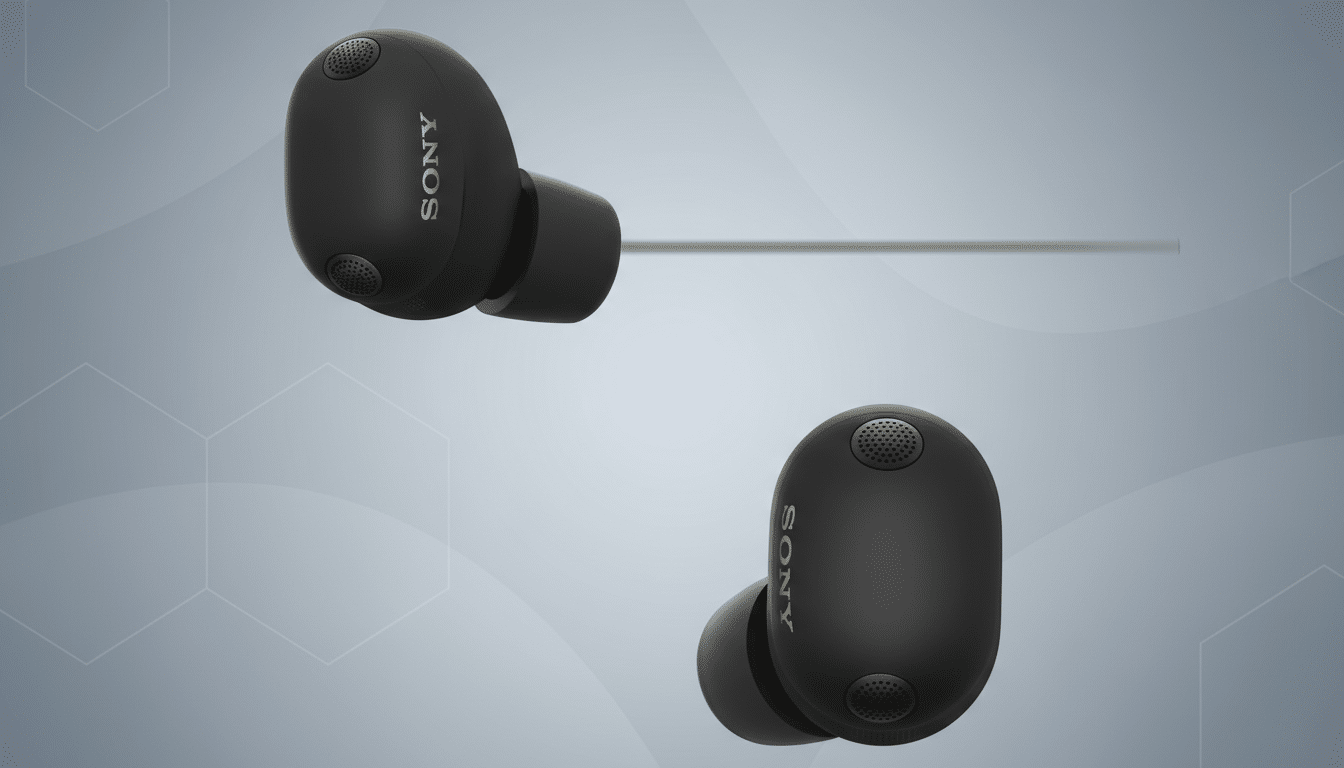
Device switching is a tale of two philosophies. Sony supports traditional multipoint across platforms, letting you stay connected to two devices concurrently. Apple’s ecosystem integration remains unmatched for iPhone, iPad, and Mac: automatic switching is nearly seamless when you’re signed into the same iCloud account.
Battery and Charging: Real-World Endurance and Quick Top-Ups
Real-world endurance is neck and neck. Expect up to about 8 hours of continuous playback with ANC on from either pair, and roughly 24 hours total with the case. Quick-charge top-ups are effective on both; a short pit stop nets enough power for a commute or workout.
Call Quality and Wind Handling: Clarity in Real Use
For calls, AirPods Pro 3 capture voices with crisp upper-mid presence that cuts through city noise, and their noise reduction avoids over-sculpting. Sony’s mics are clear and full-bodied, with a slightly warmer tone that flatters deeper voices. In blustery conditions, Apple’s wind mitigation is a touch steadier, keeping sibilants intact without pumping.
App experience and extras: controls, features, and fit tests
Apple routes controls through iOS Settings and Control Center, keeping things frictionless but minimalist. You get Personalized Volume, Conversation Awareness, and head-tracked Spatial Audio, all tightly integrated with Apple Music and FaceTime. Sony counters with rich customization: adaptive sound control by location, robust EQ, ear-tip fit tests, and configurable touch maps. For Android users, Sony’s app suite feels comprehensive without bloat.
Which Should You Buy? Choose Based on Devices and Priorities
If you live in Apple’s ecosystem, AirPods Pro 3 are the most complete choice: superb transparency, class-leading convenience, excellent ANC, and the smallest, smartest case. The $249 price strengthens the value argument.
If you’re on Android—or you prize codec flexibility and granular tuning—Sony’s WF-1000XM6 is compelling. LDAC support, a genuinely useful 10-band EQ, and a spacious, neutral-leaning signature make them the better pick for listeners who want to fine-tune their sound and squeeze more fidelity from high-bitrate sources.
The bottom line: AirPods Pro 3 win on seamlessness, transparency, and everyday comfort. WF-1000XM6 win on customization, codec breadth, and a slightly more refined, reference-leaning sound. Pick the one that aligns with your devices—and how you actually listen.