


Sony is handing the day-to-day of its TV and home entertainment hardware to TCL, creating a joint venture in which TCL holds 51% and Sony 49%. The plan keeps Sony and BRAVIA branding on future sets, while TCL leads product development, manufacturing, logistics, and support. Sony says it will inject its image processing, audio expertise, and brand stewardship; TCL brings panel capacity, supply chain muscle, and cost discipline. For buyers, that combination could reshape what a “Sony TV” means on the shelf and in your living room.
What changes for TV buyers under the Sony–TCL venture
You’ll still see Sony and BRAVIA logos, but more of the hardware DNA will come from TCL’s factories and sourcing teams. That likely means more aggressive pricing across popular sizes, especially in Mini LED LCD models where TCL already pushes high brightness and dense local dimming at mainstream prices. Expect Sony’s industrial design cues and picture tuning to remain, but with TCL’s bill-of-materials discipline driving how far those specs can go for a given price.
- What changes for TV buyers under the Sony–TCL venture
- The market context behind the new Sony and TCL partnership
- Picture quality and the technology roadmap for Sony–TCL TVs
- Software updates and PlayStation 5 features on upcoming TVs
- Home audio manufacturing, support, and warranty expectations
- Lessons from past TV brand handovers and licensing deals
- Should you buy a Sony TV now or wait for the joint venture
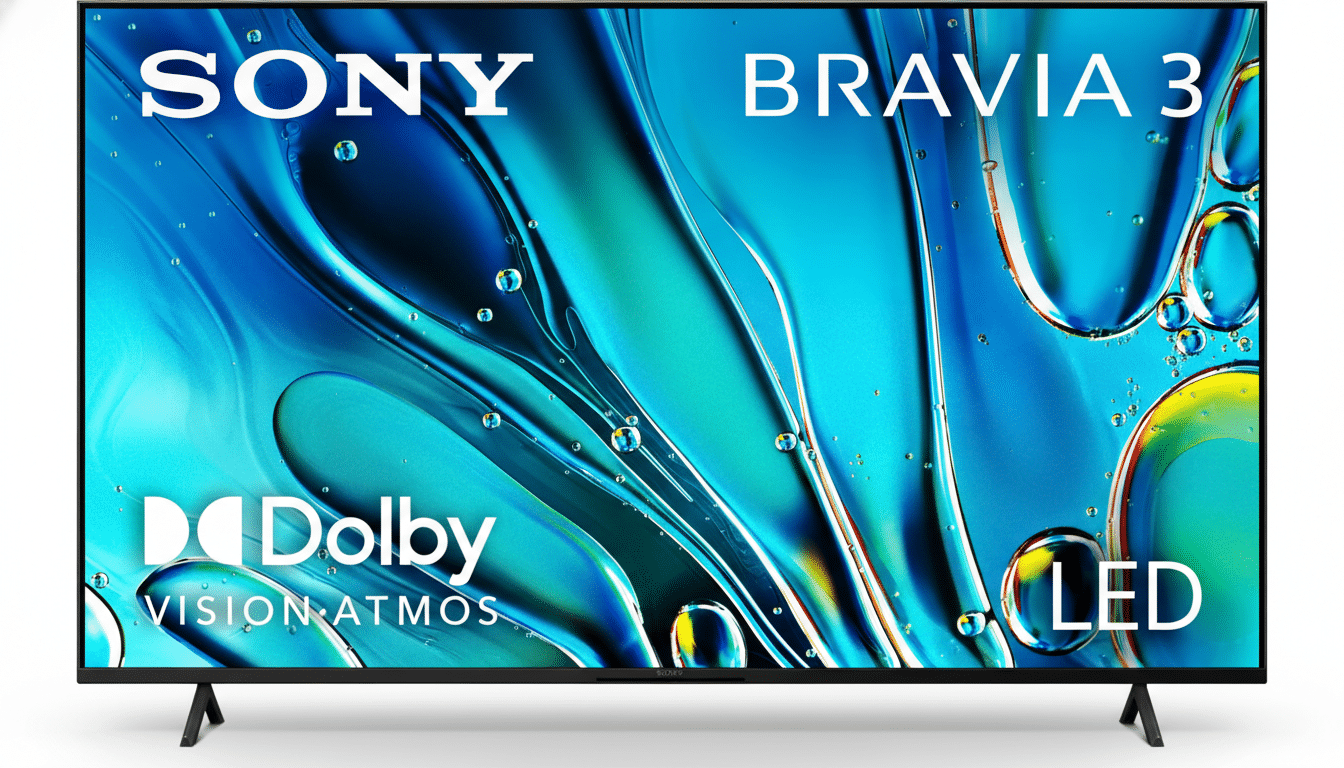
Practically, that could translate into Sony-branded sets that undercut today’s Sony price ladders by hundreds of dollars in key screen sizes, with fewer compromises in contrast and HDR punch than in the past. The open question is how much of Sony’s meticulous quality control and panel selection survives the transition; historically, Sony has been conservative on uniformity and motion handling.
The market context behind the new Sony and TCL partnership
TCL is already a volume powerhouse. Industry trackers such as Omdia and IDC have ranked TCL among the top two or three TV makers worldwide by unit shipments in recent years, ahead of Sony by volume but below Sony on average selling price. Sony, meanwhile, has dominated premium and enthusiast tiers in North America and Europe, according to NPD’s retail data, thanks to strong tone mapping, motion processing, and color accuracy.
Marrying Sony’s premium positioning with TCL’s cost structure is strategic. TCL’s in-house panel arm, CSOT, builds large volumes of LCD panels and has rapidly advanced Mini LED backlights; independent lab tests have measured TCL’s flagship Mini LED sets at well above 2,000 nits peak brightness, a level that previously demanded far pricier models. That scale could let “Sony-level” calibration and processing reach lower price brackets.
Picture quality and the technology roadmap for Sony–TCL TVs
Sony says it will contribute its picture processing and audio tech, the secret sauce behind features like XR upscaling, smooth motion, and Acoustic Surface audio on OLEDs. Expect the algorithms and overall tuning philosophy to carry over, even if the underlying boards and supply chain standardize around TCL platforms. In many categories, that’s a plus: TCL’s latest Mini LED drivers and zone counts are competitive with anything on the market.
For OLED, panel sourcing will still lean on LG Display’s WOLED and Samsung Display’s QD-OLED. Don’t expect TCL’s involvement to block those purchases—cross-sourcing panels from rivals is common. The bigger variables will be panel binning standards, heat management, and how aggressively the joint venture pushes brightness targets without compromising uniformity or lifespan.
Software updates and PlayStation 5 features on upcoming TVs
Google TV should remain the default interface on Sony-branded sets, with the familiar app ecosystem and voice features. The cadence of Android TV/Google TV updates can vary by OEM; with TCL in the driver’s seat, watch for alignment to TCL’s update timelines. Gaming features like 4K/120, VRR, and Auto HDR Tone Mapping for PlayStation 5 are expected to continue—Sony has every incentive to preserve that ecosystem advantage.
Home audio manufacturing, support, and warranty expectations
The deal also covers home audio, so expect TCL’s manufacturing and distribution to extend to Sony-branded soundbars and home theater-in-a-box systems. That could make premium soundbars more price-competitive while retaining Sony’s signal processing and tuning. High-end headphones, cameras, and gaming hardware sit in different business units and are unaffected.
Customer support and warranty service will be run by the new venture. TCL’s global service footprint has expanded quickly, but Sony loyalists will watch closely for any shift in repair turnaround, parts availability, and panel replacement policies. A well-structured service-level agreement inside the joint venture will be critical to preserve Sony’s reputation in premium tiers.
Lessons from past TV brand handovers and licensing deals
There’s precedent. Philips TVs in many regions are designed and built by TP Vision (part of TPV), a transition that preserved strong picture quality while boosting scale. Sharp’s brand licensing to Hisense in North America, later reversed, showed the risks when brand DNA and execution diverge. The Sony–TCL structure is tighter than a simple license—Sony retains a large stake—which should help keep tuning and product strategy aligned with long-time Sony expectations.
Should you buy a Sony TV now or wait for the joint venture
If you need a TV soon, current Sony models are unaffected. If you can wait, the first wave from the joint venture could bring better value at traditional Sony price points, particularly in 65- to 85-inch Mini LED sets. Enthusiasts should keep an eye on early reviews for panel uniformity, motion handling, and firmware polish—the three areas most likely to reveal differences under new ownership dynamics.
Bottom line: Sony’s brand and processing prowess combined with TCL’s manufacturing scale could make premium picture quality more accessible. The opportunity is real—but so is the challenge of maintaining Sony’s meticulous standards at TCL’s pace and volume. Your next “Sony” may cost less and shine brighter; make sure it still looks and feels like the Sony you expect.