


Two heavyweights just stepped into the ring, and choosing a winner is harder than it looks. After weeks of daily use with Sony’s WF-1000XM6 and Bose’s QuietComfort Ultra Earbuds 2nd Gen, I found a razor-thin split: Sony delivers the most flexible, reference-leaning sound and deeper feature set, while Bose keeps a commanding lead in noise cancellation and comfort. If you’re deciding between them, the best choice hinges on what you value most.
Sound quality and codec support across both earbuds
Out of the box, Sony skews natural and balanced, with a tight, controlled low end and clean treble that avoids splash. Instrument separation is excellent, and transients have a snap that makes acoustic and jazz recordings feel lifelike. Bose opts for a more sculpted, V-shaped curve: bass and highs are elevated for excitement, with mids slightly recessed. It’s a fun listen, especially for pop and EDM, but Sony’s tuning lands closer to studio intent.
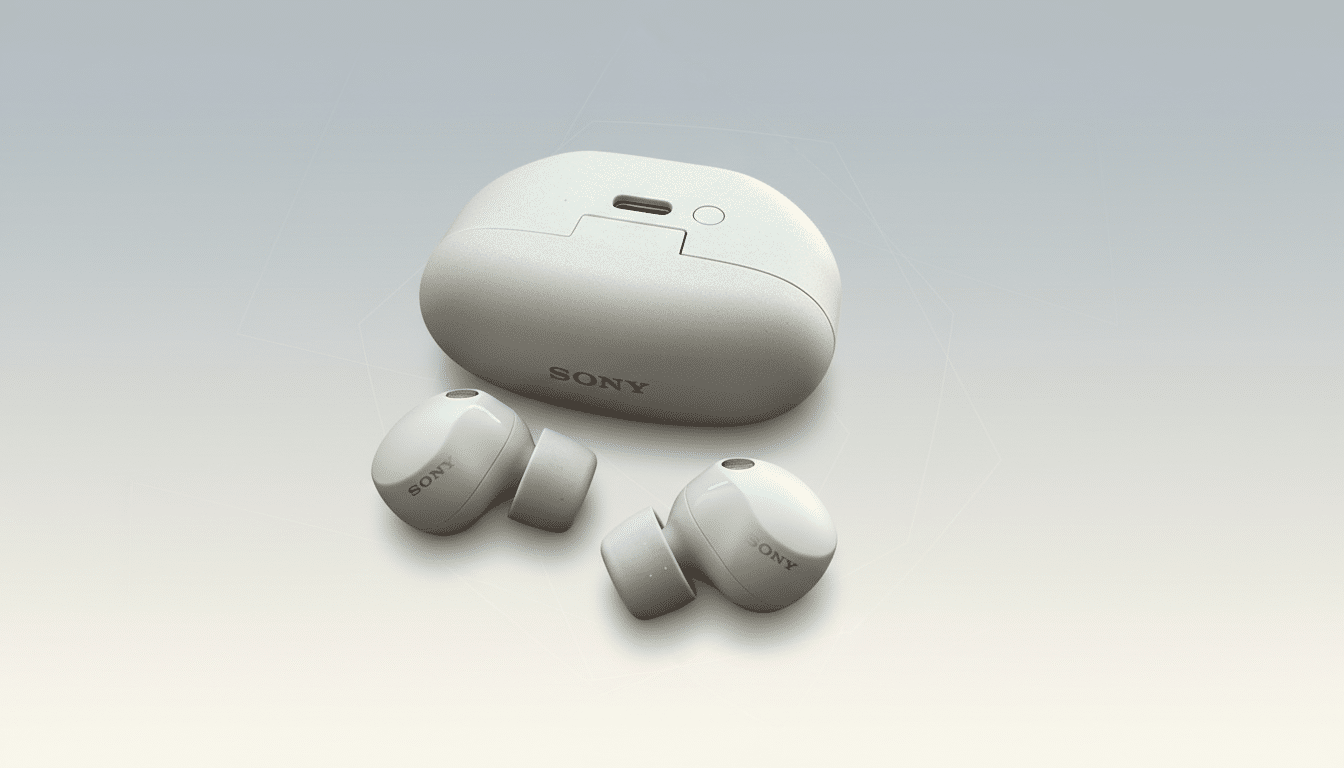
Codec support tilts the technical story toward Sony. The WF-1000XM6 supports LDAC and LC3 alongside AAC and SBC, with LDAC scaling up to 990 kbps on compatible Android devices. Bose counters with aptX Adaptive, including aptX Lossless on Snapdragon Sound ecosystems, which can deliver bit-perfect 16-bit/44.1 kHz where supported. Both paths are credible for higher-quality streams; in practice, the gains over AAC are subtle in noisy environments. If you keep a hi-res library or subscribe to lossless tiers from Apple Music, Amazon Music, or Qobuz, Sony’s broader compatibility across Android devices makes life easier. If your phone supports Snapdragon Sound, Bose’s aptX Lossless is equally compelling.
Noise cancellation and transparency performance
Bose still sets the ANC bar. Across open offices, cafés, and subway platforms, the QuietComfort Ultra Earbuds 2nd Gen consistently reduced chatter and HVAC hum more effectively than Sony. That lines up with independent lab trends from outlets like RTINGS and long-running consumer tests, which often place Bose at or near the top for speech-frequency attenuation. Sony’s ANC is very good and a clear step up from its previous generation, but Bose has a slight but reliable edge where it matters most—voices and mid-band noise.
Transparency is strong on both pairs. Bose sounds a touch more natural for quick conversations, while Sony offers finer control in its app so you can dial in how much of the world you let through. On a typical flight cabin—often measured around 80–85 dB in studies cited by aviation and occupational health groups—both models take the drone down to a manageable murmur, but Bose keeps speech from neighboring rows a bit further at bay.
Fit, comfort, and build quality compared in detail
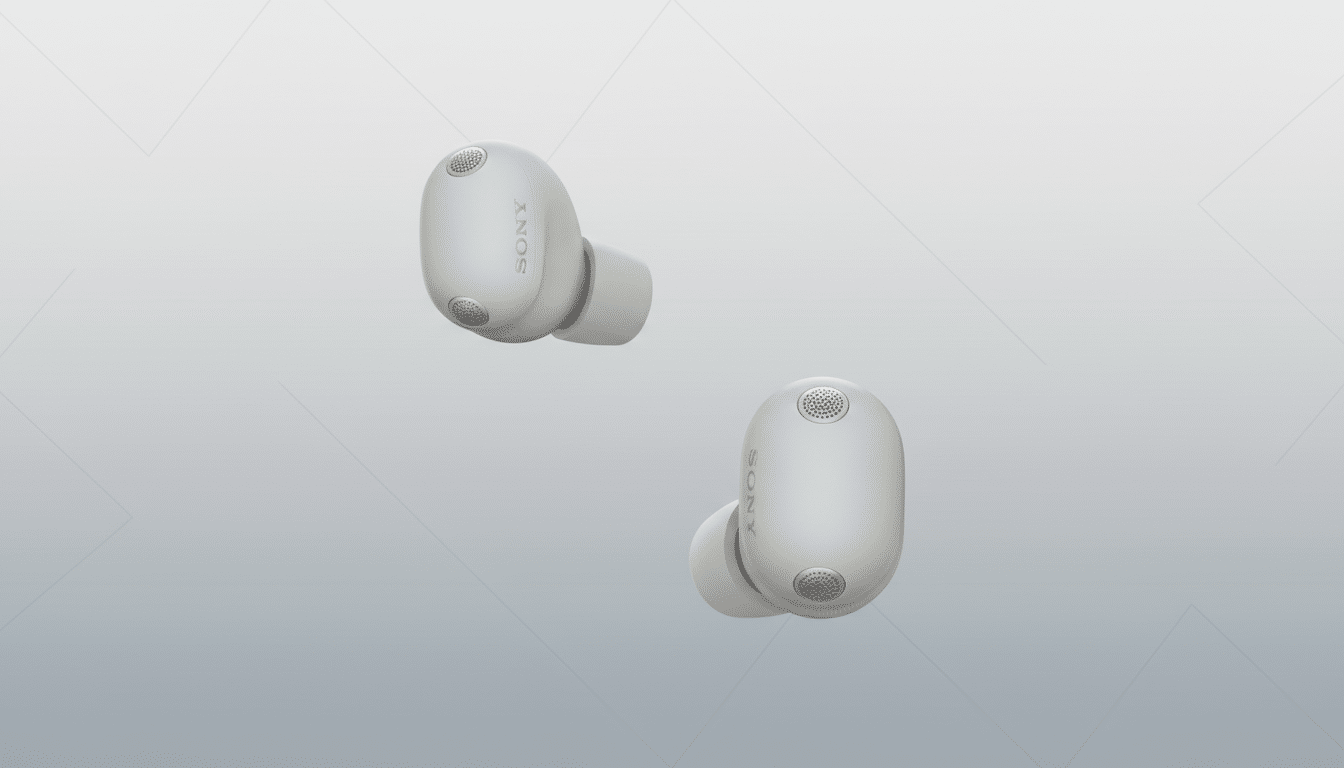
Fit is personal, but Bose lands the more universally secure feel. Its stemmed design distributes weight evenly, which helped the buds stay locked during runs and commutes without constant readjustments. Sony’s rounded housings are larger than before; they seal well once seated, but some ears will need an extra moment to get that perfect lock. Seal consistency directly impacts ANC performance, and Bose’s stability gives it an everyday edge.
Software features and control options compared
Sony’s Headphones Connect app is a tinkerer’s toybox. You get a granular 10‑band EQ from 31 Hz to 16 kHz, adaptive sound control based on location and activity, robust touch control remapping, Speak-to-Chat, and LE Audio support with LC3 for lower latency and power savings on compatible devices. It can feel dense, but the depth pays off if you like tailoring every detail.
Bose’s app is deliberately simpler. You’ll find a straightforward interface, quick ANC mode switching, and a basic three-band EQ for bass, mids, and treble. It’s fast, clear, and never overwhelming—ideal if you prefer to set and forget. The trade-off is less room to fine-tune.
Battery life, connectivity, and call quality tested
Endurance is close but not equal. Sony typically stretches to about 8 hours per charge with ANC on, while Bose averages around 6 hours; both cases bring total listening to roughly 24 hours and support USB‑C and Qi wireless charging. Bluetooth 5.3 is standard on each, with Sony adding LE Audio for future-facing features like Auracast broadcasts as venues and devices adopt them, per the Bluetooth SIG’s roadmap.
For calls, both performed well in wind and traffic. Sony’s noise reduction favored clarity in harsher conditions, likely thanks to its multi-mic system and voice pickup optimization, while Bose preserved a more natural timbre in quieter rooms. Either can handle daily video calls without drama.
Price, value, and the final call for these earbuds
Pricing reflects the premium pitch: the Bose QuietComfort Ultra Earbuds 2nd Gen list at $299, while the Sony WF-1000XM6 comes in at $329. On paper, Sony asks more but also delivers longer single-charge life, deeper customization, and broader hi‑res codec coverage. Bose counters with category-leading ANC, a more secure fit for most ears, and a tuning that’s lively right out of the box.
The winner depends on your priorities. Choose Sony if you want balanced, highly customizable sound, longer battery per charge, and LE Audio readiness. Pick Bose if you live in loud spaces, prize a no‑fuss fit, and prefer a punchier, V-shaped signature without touching an EQ. If I had to keep one, I’d lean Sony for its sound and software depth—but it’s a photo finish, and frequent flyers or open-office workers may fairly call it for Bose.