


Sonos is reentering the hardware arena with Amp Multi, a pro-focused multi-channel amplifier aimed at whole-home audio installations. It’s not the crowd-pleasing wireless speaker some users hoped would mark the comeback after the company’s rocky app overhaul, but it’s a signal that the product pipeline is moving again while Sonos works to rebuild customer trust.
A Pro-Grade Pivot Aimed at Bigger Systems
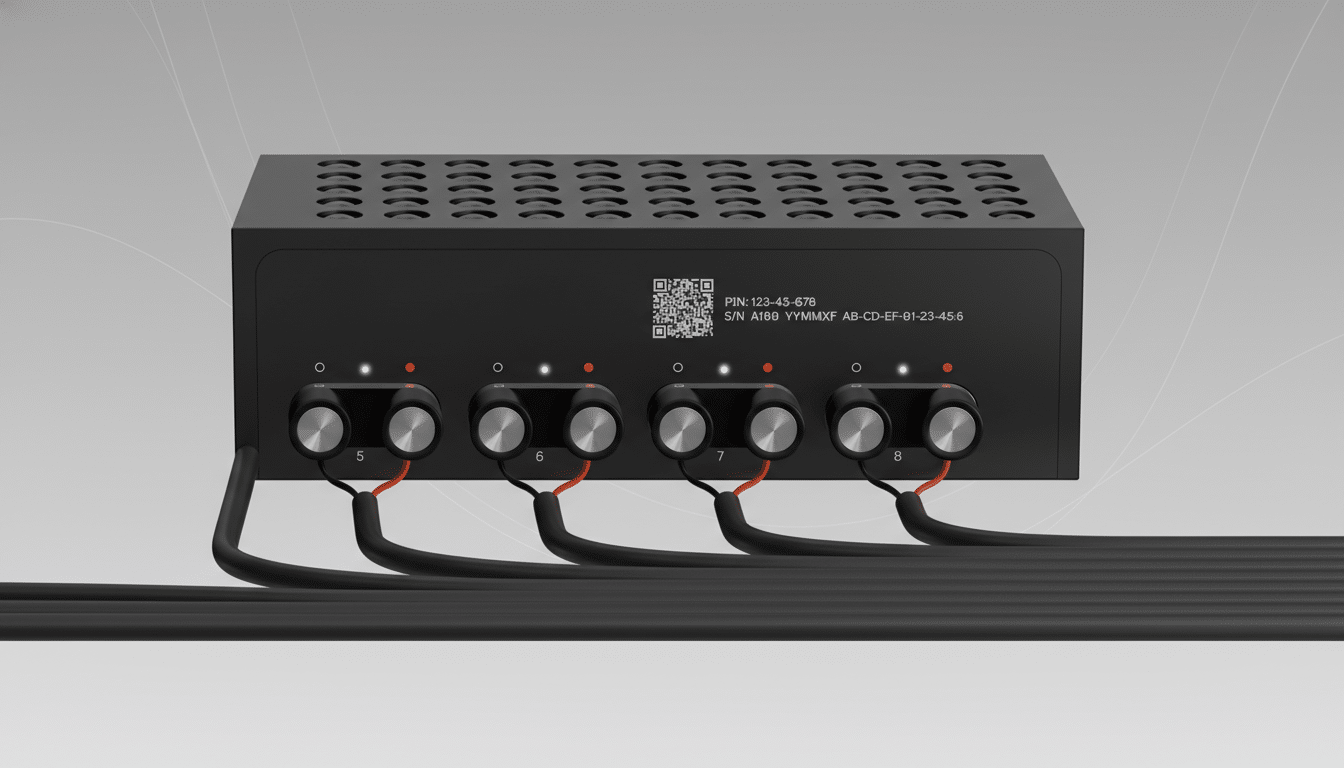
The Amp Multi targets custom installations rather than living-room plug-and-play. Think racks, in-wall and in-ceiling speakers, long cable runs, and multiple zones that need synchronized playback. Where the existing two-channel Sonos Amp powers a single stereo zone, Amp Multi is designed to scale that concept for larger homes with more complex layouts and more demanding audio routing.
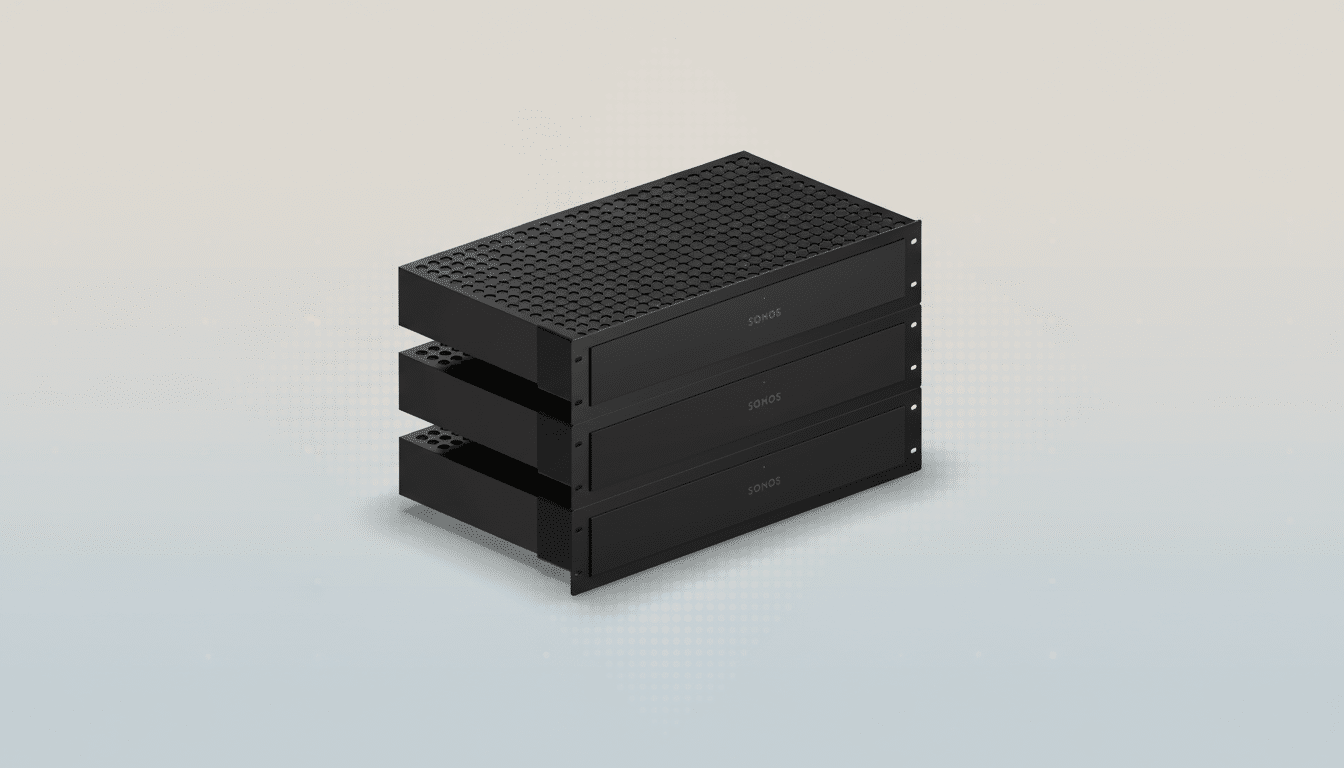
Sonos says the new unit will roll out globally through certified installation partners in the coming months. Pricing is under wraps, but for context, the current Sonos Amp retails for $799. In the custom-install space, comparable multi-zone amplifiers from brands like AudioControl and Denon typically sit in the low-to-mid four figures, especially when they bundle DSP tools, rack ears, and robust thermal management.
The appeal for installers is straightforward: bring passive speaker arrays into the Sonos ecosystem without scattering individual amps throughout a property. That means simpler wiring, fewer power bricks, and one management point for everything from kitchen speakers to outdoor zones.
Why Lead With Installer Hardware Right Now
After the app overhaul angered loyalists by shipping with bugs and removing staple features, Sonos needed a controlled way to reassert its hardware strengths. Professional integrators, many of whom already spec Sonos for distributed audio, represent a channel where the company can focus on reliability, system design efficiency, and serviceability—areas where Sonos historically performs well.
Industry groups such as CEDIA have long noted stable demand for multiroom audio in higher-end renovations and new builds, even as mass-market smart speakers dominate headlines. Futuresource Consulting has tracked continued adoption of multiroom solutions in custom projects, where clients prioritize seamless control and interoperability over the lowest sticker price. Amp Multi squarely targets that slice of the market.
In practice, that means supporting installers who tackle, say, a six-zone project spanning living areas, bedrooms, and a patio. Historically they might deploy multiple two-channel amps or a third-party matrix solution. A purpose-built amplifier reduces complexity and time-on-site, which is a big deal for firms juggling tight schedules and finicky retrofit conditions.
The App Debacle Still Casts a Long Shadow
Sonos is not escaping its recent missteps. The app refresh—intended to modernize the experience—landed with regressions and removed features like some advanced library controls and alarms, drawing thousands of one-star reviews across major app stores. The fallout culminated in a leadership change: Patrick Spence departed as CEO, and Thomas Conrad stepped in, refocusing the roadmap and shelving a long-rumored video device to prioritize software stability and core audio.
Since then, Sonos has been restoring missing capabilities in phases and issuing performance fixes. Amp Multi arrives in that context: a new box to sell, yes, but also a message that the company is balancing near-term reliability work with longer-term hardware ambitions. In other words, the software recovery continues while the hardware team gets back to shipping.
What Amp Multi Signals About Sonos’ Strategy
If Sonos wanted an easy PR win, it could have led with a refreshed soundbar or a new portable speaker. Launching an installation-grade amplifier instead suggests the company is shoring up its professional base—customers who spec entire homes and influence brand perception among high-value buyers. It also plays to Sonos’ core differentiator: mixing traditional speaker hardware with an app-centric, multiroom platform.
Expect details to matter here. Integrators will care about channel count, power output, heat dissipation, rack depth, and management features like remote diagnostics. They’ll also watch for tight synchronization with existing Sonos zones, low-latency switching, and resilience during network hiccups—pain points that separate solid CI gear from spec-sheet heroes.
Pricing, Availability, and What to Watch Next
Sonos plans to sell Amp Multi through its installation partners worldwide, with pricing announced closer to availability. Given the $799 price of the standard Amp and the broader multi-zone market, a premium is likely. The bigger story, though, is what follows: now that the first post-overhaul product is out, attention turns to whether new consumer speakers and soundbars are next—and whether the app experience keeps improving.
For existing customers, the immediate question is not whether they need Amp Multi—most won’t—but whether this marks a durable reset. If Sonos can pair a steadier app with hardware that reminds people why they bought into the platform, the company’s comeback will look less like a press release and more like progress.