


Solitaire has long been associated with quiet moments, those pauses between conversations, stretches of waiting, or brief breaks on a busy day. Traditionally seen as a card game played alone, Solitaire has quietly existed alongside people in shared environments for generations. Solitaire Without the Solitude, a short-form mockumentary video series created by AviaGames for Solitaire Clash, explores this idea from a new perspective, examining how a classic solo game has always been part of collective spaces.
Presented as a three-episode mockumentary, the series blends understated humor with familiar social settings, offering a thoughtful look at how Solitaire has evolved over the years. Rather than reimagining the game entirely, the project reflects on how Solitaire naturally adapted to changing environments, eventually leading to a modern experience like Solitaire Clash.
A Cinematic Approach Grounded in Performance
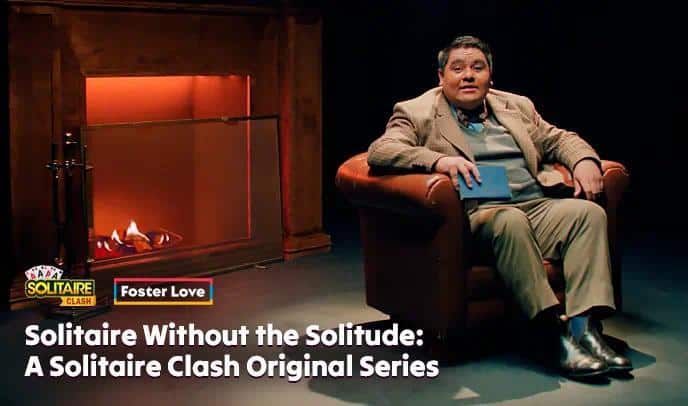
Directed by Amir Farhang, an Iranian-American commercial director, writer, and creative director represented by Caviar, the series adopts a cinematic yet restrained tone that reflects his background in branded storytelling and narrative short films. Known for pairing polished visuals with subtle comedic timing, Farhang allows each scene to unfold organically, relying on observational humor rather than exaggerated explanations. This measured approach gives the series a confident rhythm and makes it approachable even for viewers unfamiliar with Solitaire Clash. Anchoring the narrative is Leo González, who leads the series as a calm, documentary-style narrator and on-screen guide. His composed delivery provides structure as the scenarios gradually become more heightened, keeping the mockumentary format believable and the tone grounded as the series moves through increasingly familiar social settings where Solitaire quietly takes center stage.
Three Video Episodes, Three Familiar Settings
Solitaire Without the Solitude unfolds across three short episodes, each placing Solitaire in a setting that feels oddly familiar:
- Episode One: Origins of Solitaire
A straight-faced look back at an 18th-century French prison, where silence, time, and boredom may have quietly given rise to Solitaire.
- Episode Two: Office Solitaire in the 1990s
Cubicles, desktop computers, and the art of looking busy. Then, Solitaire settles comfortably into the background of office life.
- Episode Three: Solitaire at the Family Table
A family dinner, a pause in conversation, and Solitaire makes an unexpected appearance at the table.
Across all three episodes, the message is simple: Solitaire is played solo, but it has always existed around other people.
Where Solitaire Clash Fits Into the Story
One of the series’ strengths is how seamlessly Solitaire Clash is introduced. Instead of explaining mechanics or showcasing features, the game appears as a natural progression, a modern interpretation of a familiar card game that fits how people engage with games today.
By emphasizing timed, head-to-head play, Solitaire Clash reflects a more connected experience while preserving the recognizable structure of classic Solitaire. The transition feels earned rather than promotional, aligning with the series’ reflective tone.
A Real-World Connection Beyond the Series
Outside of the Solitaire Clash Video Series, the series connects to AviaGames’ Solitaire Clash Christmas Wonderland Wishes charity initiative. Through Leo González’s personal connection to foster care and family experiences, AviaGames partnered with Foster Love, a nonprofit organization supporting children and teens in foster care.
This collaboration adds depth to the project, positioning the series within a broader effort rather than treating it as a standalone creative release. The connection reinforces AviaGames’ focus on community and purpose-driven engagement.
Final Thoughts on the Series
Solitaire Without the Solitude succeeds by focusing on a simple, often overlooked idea: how Solitaire has long been used to fill quiet moments, even within shared spaces. Set in familiar environments and guided by controlled pacing and a dry mockumentary style, the series feels both thoughtful and approachable. With confident direction from Amir Farhang and a steady, grounded performance by Leo González, the three episodes build naturally toward Solitaire Clash without overstatement, resulting in a well-crafted project that remains easy to watch and quietly relatable.