


Snapchat is expanding its Family Center with new tools designed to give parents a clearer picture of how their teens use the app and who they connect with. The update adds weekly screen time insights broken down by features and introduces “trust signals” that explain how a teen likely knows a new friend, a move that lands squarely in the middle of mounting safety concerns and regulatory scrutiny of youth social media.
What Parents Can Now See in Snapchat’s Family Center
The refreshed dashboard shows a teen’s average time on Snapchat for each day over the previous week, plus how that time splits across core experiences like Chat, Snaps, the Camera, Snap Map, Stories, and Spotlight. It’s a higher-resolution view than a single daily total and is aimed at helping families spot patterns — for instance, whether time is being spent creating with the camera or passively scrolling Stories.
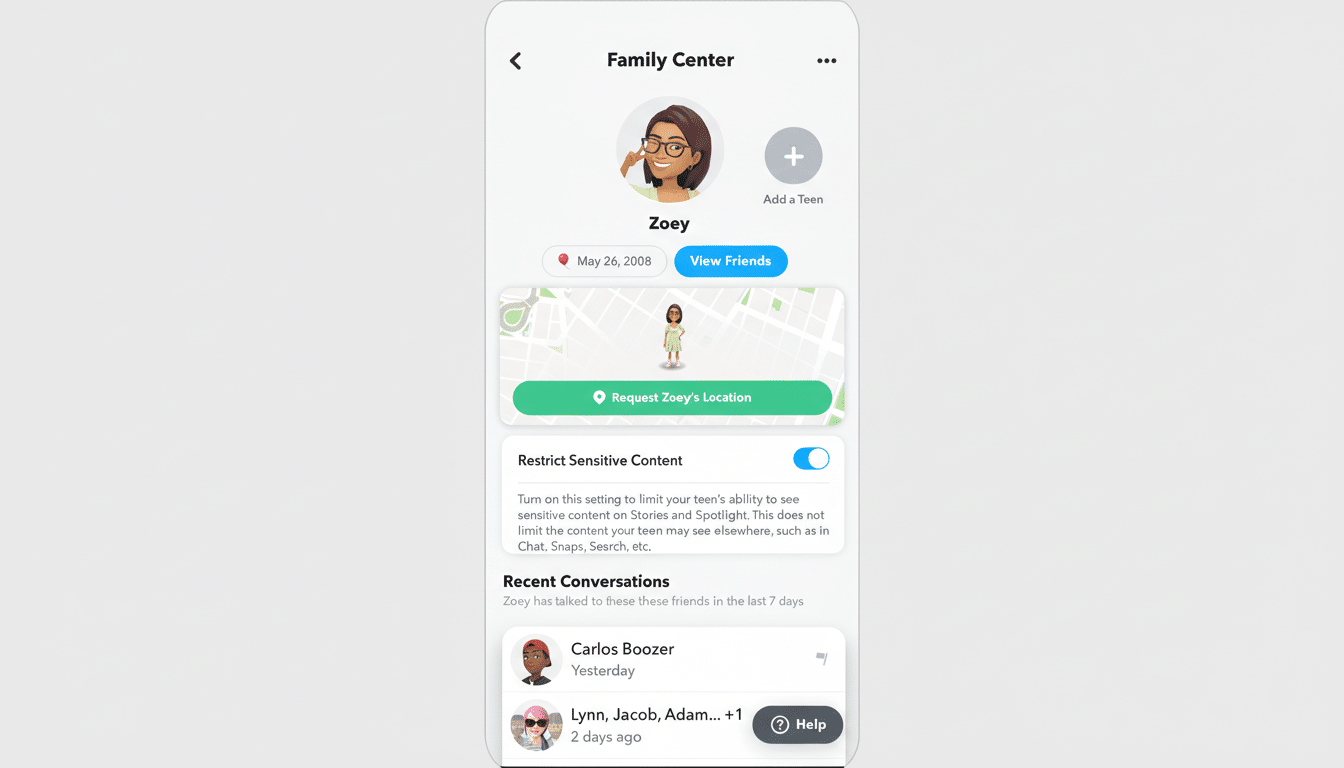
On the social graph side, Family Center now surfaces context behind newly added friends. Parents can see whether a new contact appears to be someone from a teen’s phone book, a mutual friend, or part of a shared community. The goal is not to expose private messages — those remain off-limits — but to provide cues that support judgment calls and conversations at home.
Part of a Broader Safety Push Across Social Media
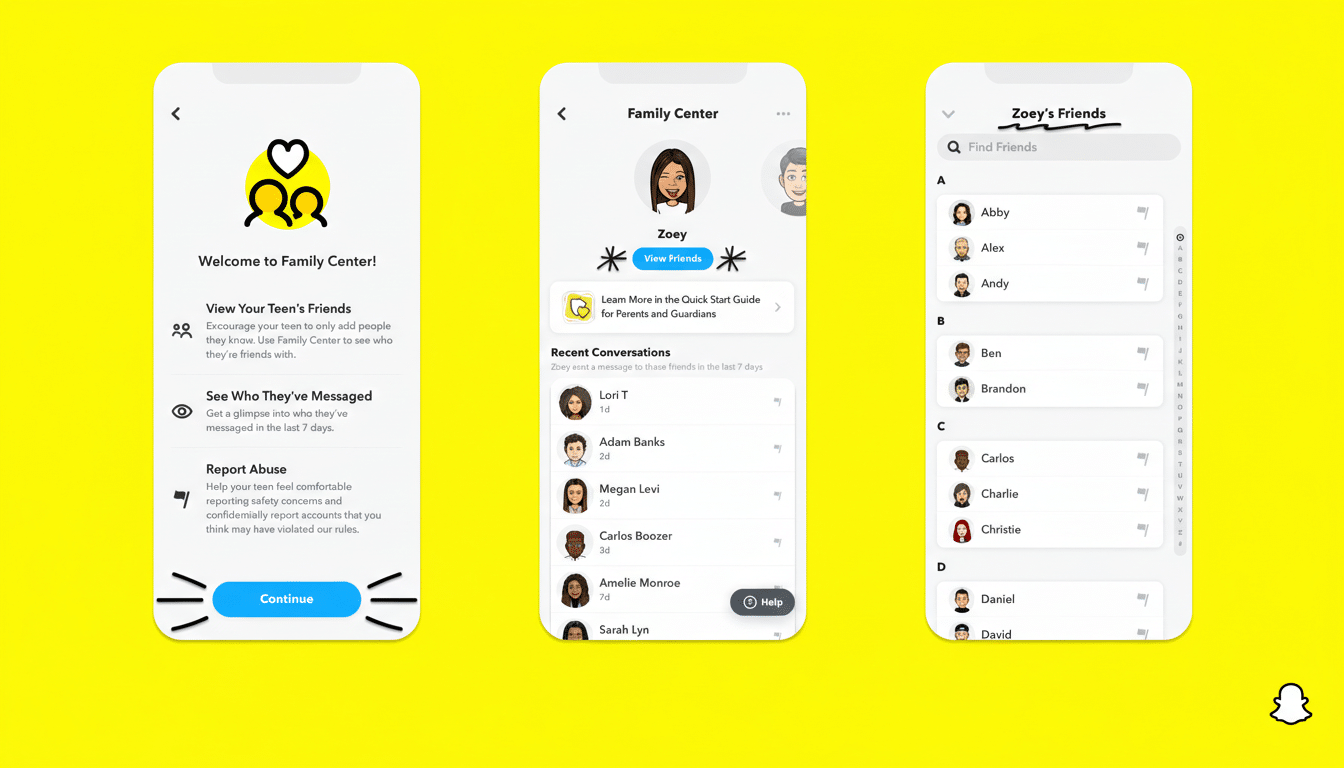
Snap launched Family Center in 2022 and has steadily layered on controls, including the ability to view who a teen has recently interacted with, set time restrictions, and block the app’s My AI chatbot. The latest additions arrive as social platforms face lawsuits alleging harm to young users and intensifying pressure from policymakers to design age-appropriate experiences.
The U.S. Surgeon General has warned that excessive social media use can carry risks for adolescent mental health and urged companies to provide families with meaningful time-use data. In the U.K., the Age-Appropriate Design Code sets expectations for default safeguards. The European Union’s Digital Services Act requires platforms to assess and mitigate risks to minors. States in the U.S. have explored age-verification and parental consent laws, while federal proposals like the Kids Online Safety Act remain under debate.
Why the Details Matter for Families and Teens
Teens still flock to Snapchat, with company filings noting hundreds of millions of daily active users worldwide. Independent research underscores why granular tools are relevant: Common Sense Media has found that teens spend hours each day on entertainment media, and Pew Research Center reports that a majority of U.S. teens use Snapchat, with many saying they check social apps repeatedly throughout the day.
Feature-level breakdowns can help families set specific goals. If most time is going to Spotlight or Stories late at night, parents might shift bedtimes or enable app-level limits. If Snap Map is a frequent draw, families can revisit location-sharing rules. And if a new friend lacks a plausible real-world connection, that can prompt a check-in before conversations deepen.
How It Compares to Rivals in Parental Controls
Many platforms now offer parental dashboards: TikTok’s Family Pairing supports time limits and content controls; Instagram and Facebook provide daily time reminders and supervision features; YouTube has supervised accounts; Apple’s Screen Time and Google’s Family Link set device-level limits. Snapchat’s twist is emphasizing “how” time is spent inside the app and adding social context for new connections — elements that go beyond a raw minutes counter.
Importantly, Family Center is opt-in and requires the teen’s participation to link accounts, a design choice that prioritizes transparency over covert monitoring. Parents can view activity and metadata, but not the content of messages or snaps, aligning with Snapchat’s long-standing privacy posture.
Safety Gains and Limitations Parents Should Know
The new insights are likely to reduce the risk of anonymous or unsolicited contact by spotlighting when a new friend does not appear to be part of a teen’s real-life network. They also give families a basis for adjusting routines without turning every discussion into a debate over total screen time alone.
Still, tools are only as effective as the conversations they spark. Researchers at the American Academy of Pediatrics encourage families to use media plans that set expectations for device-free time, sleep, and school. For many households, pairing Snapchat’s feature-level data with system-level limits and clear rules can provide the balance teens and parents both say they want.
What Parents Can Do Now to Guide Snapchat Use
- Link Family Center together and review the weekly screen time breakdown with your teen.
- Use trust signals to vet new friends, especially when the connection is not obvious.
- Set practical boundaries: quiet hours, device-off times, and reasonable daily caps that match school and sleep needs.
- Revisit settings often; as teens’ habits shift, so should the plan.
Snapchat’s latest update doesn’t end the debate over youth and social media, but it does make the conversation at the kitchen table a little smarter. By showing where time goes and offering context about new connections, it gives families more to work with than a single, blunt number.