


Smart plugs are the sleeper hit of the smart home. They’re cheap, easy to install, and far more capable than most people realize. After years of testing them across rooms and routines, I’ve landed on seven automations that deliver the biggest gains in comfort, safety, and savings—no rewiring required.
The upside is measurable. Lawrence Berkeley National Laboratory estimates standby power accounts for 5–10% of residential electricity use, and smart plugs can tame those “vampire” loads while adding useful controls. Typical Wi‑Fi plugs sip roughly 1–2 watts in standby, while Zigbee or Z‑Wave models can idle near 0.3 watts—often a net win when used to govern power-hungry devices. Many models now include energy monitoring and support for Matter, making them easier to mix and match across ecosystems.
- Travel-Safe Lighting That Looks Lived-In
- Lock Out the Garage Door Opener Overnight
- Hands-Free Bathroom or Hallway Lights With Presence
- Smarter Cooling And Heating With A Fan Or Heater
- Auto Shutoff For Hot Tools And Maker Gear
- Screen Time Enforcer For TVs Consoles And Wi‑Fi
- Kill Vampire Loads And Track What Costs What
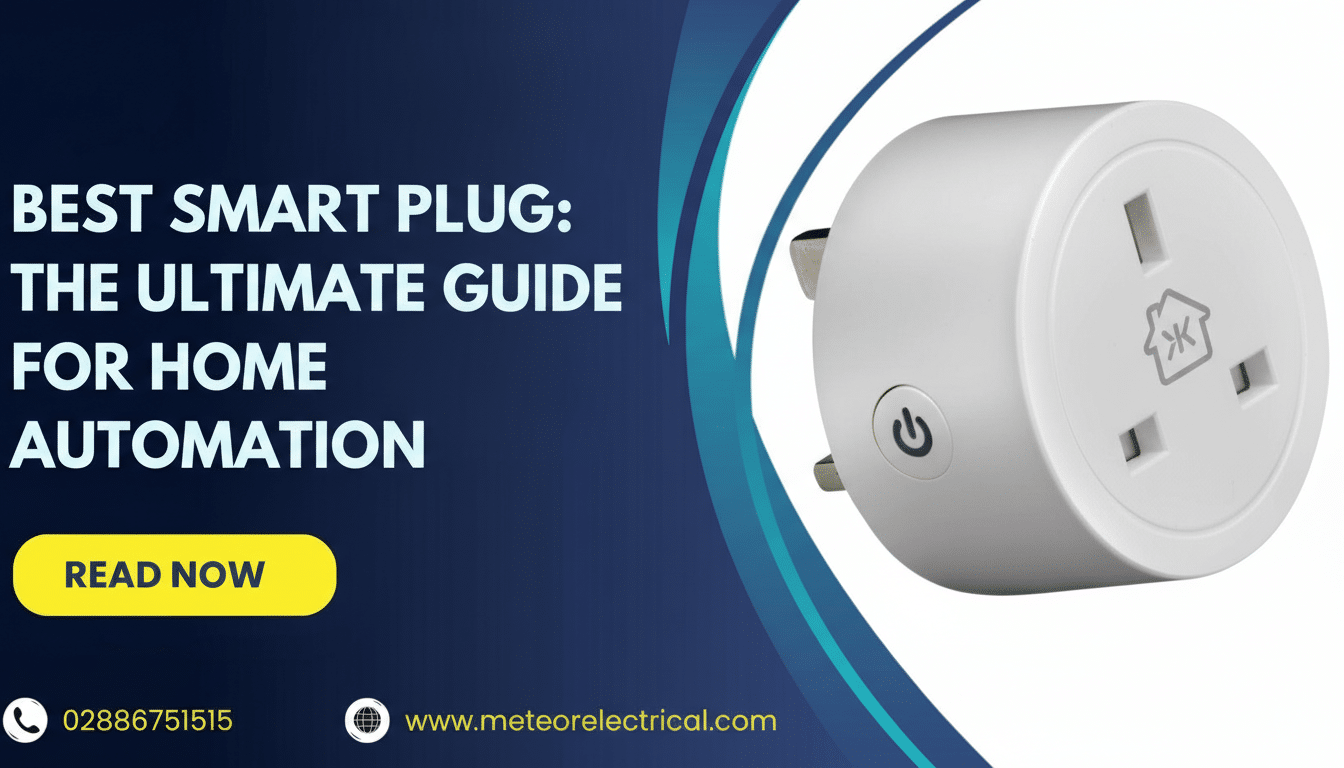
Travel-Safe Lighting That Looks Lived-In
I program lamps on smart plugs to follow sunset and then shift on a randomized pattern when I’m away. The goal isn’t just to turn lights on—it’s to mimic human behavior. Staggered schedules for a hallway lamp and a living room floor lamp make the house appear occupied from the street. Outdoor string lights snap on at dusk for safety and shut off at a set hour to save energy. Many police departments advise this kind of “lived-in” lighting during travel; a smart plug just makes it precise.
Lock Out the Garage Door Opener Overnight
A simple but effective security routine: I cut power to the garage door opener overnight or when we’re out. It defeats code grabbers and lost remotes, and I pair it with a geofenced “power restore” when I’m approaching home. Two cautions: confirm your opener resumes normally after power loss, and make sure everyone knows how to use the manual release in an emergency. I also add a morning fail‑safe to re‑energize the opener at 6 a.m. in case a schedule is missed.
Hands-Free Bathroom or Hallway Lights With Presence
For low-friction lighting, I use a smart plug and an assistant device with an occupancy sensor—an Echo Dot near the door works. When presence is detected, the plug turns on a lamp, then shuts off after 15 minutes of inactivity. Presence sensing is smarter than basic motion, which can be triggered by pets or headlights; dedicated mmWave sensors like the Aqara FP2 are even more precise, picking up subtle movement so you aren’t left in the dark mid‑shower.
Smarter Cooling And Heating With A Fan Or Heater
A dumb fan becomes strategic cooling when it’s on a smart plug tied to a temperature rule. If a room crosses 77°F, the fan kicks on; drop below, and it shuts off. A typical fan draws under 75 watts, versus thousands of watts for central AC. The U.S. Department of Energy recommends keeping cooling setpoints higher and using fans for comfort; pairing a fan with automation lets you raise the thermostat while maintaining the same perceived temperature. In winter, you can do the same with a space heater—just add strict timers and tip‑over protection. The National Fire Protection Association warns that space heaters are a leading cause of home heating fire deaths, so time limits and auto‑off are nonnegotiable.
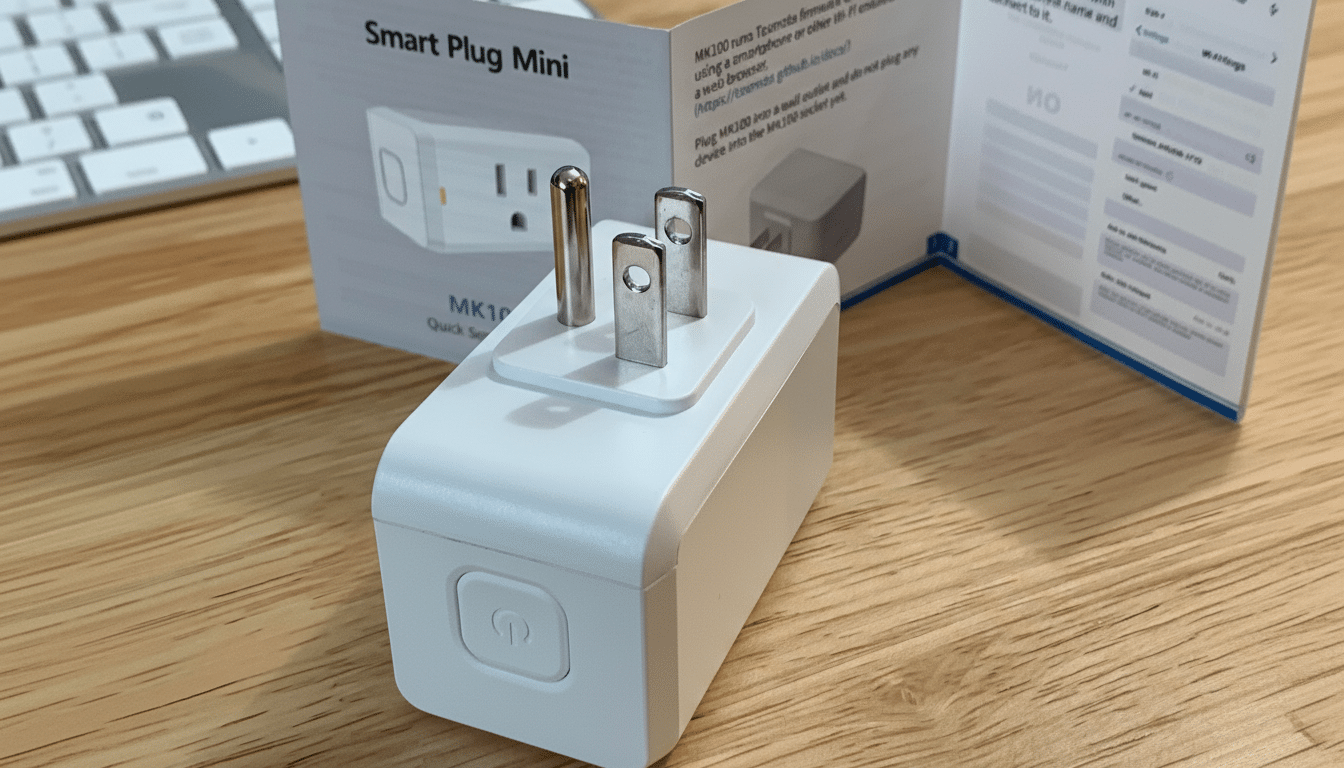
Auto Shutoff For Hot Tools And Maker Gear
I treat high-heat tools as “never trust, always verify.” My curling iron, soldering iron, and hot glue gun live on smart plugs with a 30‑minute auto‑off and a voice shortcut for on/off control. If I leave the house and panic about a hot tool, I simply check the plug’s status and cut power from my phone. For tools with warm‑up time, I allow morning preheat windows but always layer a safety timer on top.
Screen Time Enforcer For TVs Consoles And Wi‑Fi
One of my favorite practical uses: the playroom TV and console run on a smart plug with weekday and weekend schedules and a “homework first” scene. I hide the plug behind the cabinet so it can’t be bypassed. The American Academy of Pediatrics emphasizes consistent limits for media use; automations make them stick. You can even schedule your router to go dark at bedtime, though note that if the plug uses Wi‑Fi, remote control is lost when the network is off—use a local protocol or rely on timed schedules for Wi‑Fi gear.
Kill Vampire Loads And Track What Costs What
Energy‑monitoring plugs identify which devices deserve a hard cutoff. I’ve caught a game console idling at 9 watts and a TV pulling 12 watts in standby—easy wins for overnight shutdowns. Because the plug itself draws power, I audit each device for a true net savings. Scheduled cutoffs also shine for coffee makers, amplifiers, or countertop gadgets that don’t need power 24/7. Bonus: I keep holiday lights and patio strings on sunset automations, so they’re festive when we want them and invisible on the bill when we don’t.
The pattern behind all seven uses is simple: start with a clear outcome—security, comfort, or savings—then bind a basic appliance to a trigger that’s smarter than your memory. With a few carefully chosen rules, a $10 plug can punch well above its weight in a modern home.