


Car accidents are no longer investigated using guesswork alone. With the rise of smart dashcams, real-time video, GPS data, and AI-powered insights are reshaping how crashes are understood and resolved. These advanced devices do more than record the road. They capture critical moments before, during, and after an incident, offering clarity when accounts conflict.
From insurance claims to legal reviews, dashcam technology is becoming a trusted source of objective evidence. As roads grow busier and disputes more complex, reliable digital proof is changing the rules of the game.
- How Smart Dashcams Capture Real-Time, High-Accuracy Evidence
- AI-Powered Features That Reconstruct Accidents More Clearly
- Using Dashcam Footage in Insurance and Legal Evaluations
- Cloud Storage and Secure Sharing With Authorities
- Reducing Fraud and False Claims With Verifiable Video Proof
- The Future of Accident Investigations With Smart Vehicle Tech
- Frequently Asked Questions
- How long should dashcam footage be stored after an accident?
- Can dashcam footage be edited or challenged in disputes?
- What features matter most when choosing a smart dashcam?
- Why Smart Dashcams Matter More Than Ever
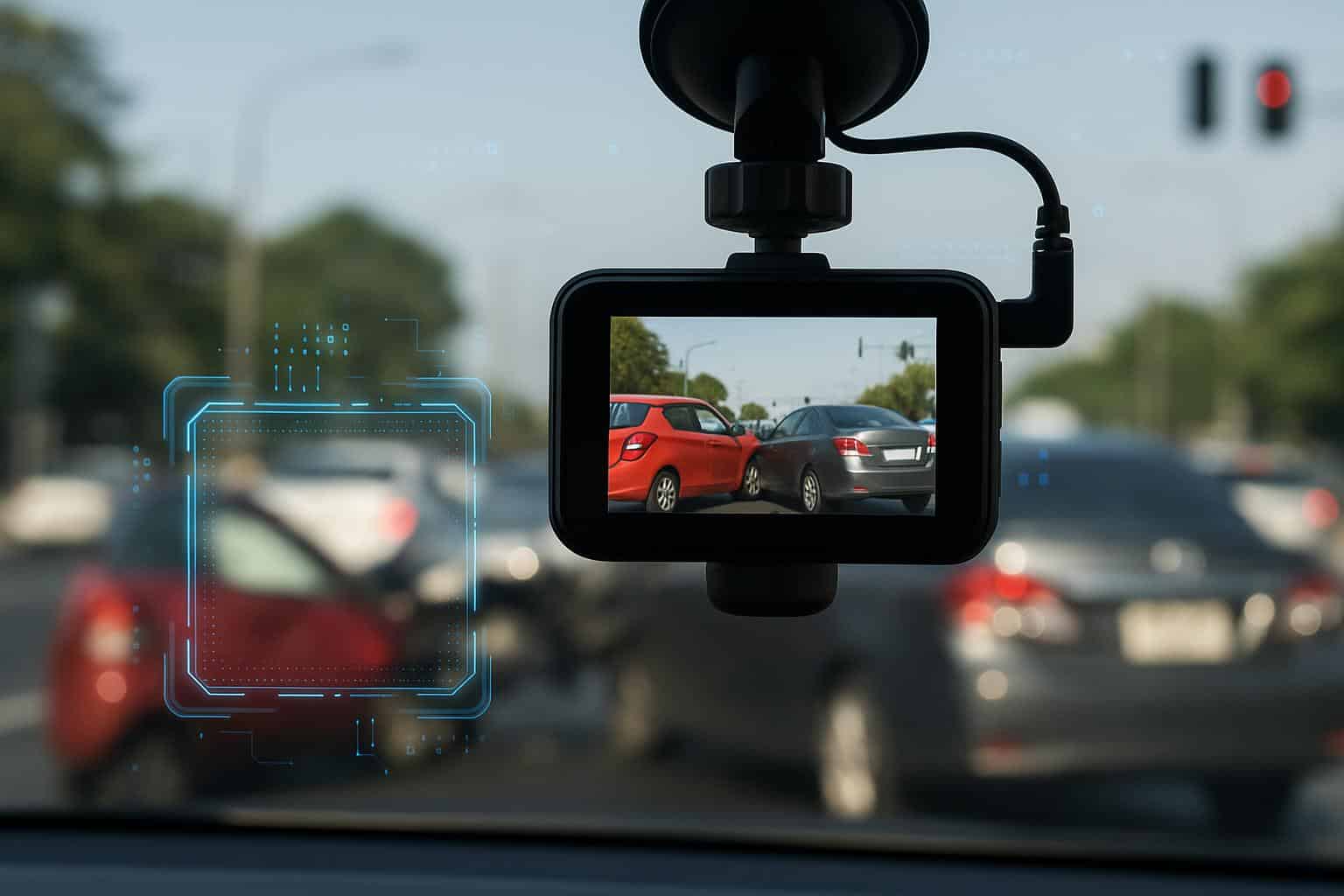
In this article, we’ll explore how smart dashcams are transforming accident investigations and why they matter more than ever.
How Smart Dashcams Capture Real-Time, High-Accuracy Evidence
Smart dashcams capture real-time evidence that helps investigators understand accidents with greater accuracy. Modern devices record high-resolution video that clearly shows vehicles, road signs, and traffic signals. Many models also store time stamps, speed data, and GPS location to create a reliable event timeline.
Beyond clarity, dashcams play a critical role in reducing false or exaggerated claims. Research referenced by Commercial Carrier Journal indicates that dashcam use has led to a nationwide 15 percent decline in fraudulent insurance claims. The same research shows they help uncover fraud in nearly 20 percent of accident cases. Insurers also report a 27 percent decrease in disputed claims when dashcam footage is available.
By providing objective and verifiable evidence, smart dashcams help accident investigations move faster and with fewer disagreements.
AI-Powered Features That Reconstruct Accidents More Clearly
AI-powered features allow smart dashcams to do more than capture footage. They actively analyze crashes to explain what happened. According to studies published by the National Institutes of Health, AI systems can examine crash and near-crash events using video and sensor data. This helps researchers better understand accident causes and risky driving patterns.
One major application is crash reconstruction. AI algorithms analyze speed changes, vehicle movement, and driver actions to determine fault or identify triggering behavior. Another key use is behavior prediction. AI systems track trends such as seatbelt use, signs of drowsiness, or repeated distraction at certain times. This data helps identify when risky driving is most likely to occur.
By turning raw footage into structured insights, AI-powered dashcams make accident investigations clearer, faster, and more reliable.
Using Dashcam Footage in Insurance and Legal Evaluations
Clear video evidence helps insurers verify timelines, confirm vehicle speed, and reduce disputes caused by conflicting statements. In legal matters, footage can quickly establish driver behavior and road conditions before impact.
A tragic accident reported by THV11 on December 26 shows why dashcam evidence matters. In Little Rock, a speeding vehicle fled police, lost control on a curve, and crashed into an electrical pole. The driver and a juvenile passenger were critically injured, and the juvenile later died.
In such cases, a Little Rock auto accident attorney can help secure dashcam footage and analyze liability. Local legal guidance helps families understand their options and pursue accountability.
According to the Keith Law Group, an experienced car accident lawyer can investigate the crash, gather evidence, and handle insurance and medical communication. They also handle legal filings, negotiate settlements, represent clients in court if needed, and help secure any awarded compensation.
Cloud Storage and Secure Sharing With Authorities
Cloud storage plays a vital role in preserving dashcam footage after an accident. Unlike memory cards, cloud systems protect videos from loss, damage, or tampering. Footage is uploaded automatically and stored securely, ensuring evidence remains intact. This makes it easier to share verified files with authorities and investigators when needed.
The shift toward cloud-based evidence is also reflected in market data. Grand View Research reports that the worldwide digital evidence management market reached a value of USD 8.58 billion in 2024. It is projected to reach USD 14.47 billion by 2030, showing rapid adoption. The same report notes that cloud-based systems held the largest revenue share in 2024.
Secure access, encryption, and controlled sharing help authorities review footage quickly while maintaining proper evidence handling standards.
Reducing Fraud and False Claims With Verifiable Video Proof
Smart dashcams help reduce fraud by providing clear and objective video evidence of accidents. Many false or exaggerated claims rely on inconsistent statements or missing details. Dashcam footage shows exactly what happened, making it harder to misrepresent events. This discourages staged accidents and unsupported injury claims.
Video proof also helps insurers quickly compare claims against real-time driving behavior. When footage confirms speed, lane position, and impact timing, disputes are resolved faster. Drivers benefit from fair evaluations, while insurers avoid unnecessary payouts.
Investigators can focus on genuine cases instead of sorting through conflicting accounts. By replacing assumptions with visual facts, smart dashcams improve transparency and trust in accident investigations.
The Future of Accident Investigations With Smart Vehicle Tech
Smart vehicle technology is shaping the future of accident investigations. Dashcams are becoming part of larger connected vehicle systems. These systems combine video, sensors, and vehicle data to provide a complete picture of accidents. Real-time data sharing will allow faster responses from emergency services and investigators.
Integration with smart traffic infrastructure can help reconstruct accidents more accurately. Advanced analytics may also predict high-risk driving behavior before crashes occur. Future dashcams are expected to work alongside driver assistance systems for deeper insights. This will reduce reliance on witness statements and manual reporting.
As vehicles become more connected, accident investigations will rely more on verified digital evidence. Smart technology will continue improving accuracy, speed, and accountability on the road.
Frequently Asked Questions
How long should dashcam footage be stored after an accident?
Dashcam footage should be stored until insurance claims, legal matters, and investigations are fully resolved. This often means keeping copies for several months or longer. Saving backups in the cloud or external storage helps prevent accidental loss or deletion.
Can dashcam footage be edited or challenged in disputes?
Dashcam footage can be challenged if it appears edited or incomplete. Original files with timestamps and metadata are harder to dispute. Secure storage and unaltered copies help support credibility during insurance reviews or legal proceedings.
What features matter most when choosing a smart dashcam?
Key features include high-resolution video, reliable night recording, GPS and timestamp data, wide viewing angle, impact sensors, cloud backup, and easy evidence export. These ensure clear footage and accurate context, making dashcams more useful for investigations and insurance claims.
Why Smart Dashcams Matter More Than Ever
Smart dashcams have transformed accident investigations by replacing uncertainty with clear, data-driven evidence. From high-accuracy video and AI analysis to secure cloud storage and fraud prevention, these devices support faster and fairer outcomes.
As vehicles become more connected, dashcams will continue playing a central role in accountability, safety, and trust. For drivers, insurers, and investigators alike, smart dashcams are no longer optional tools but essential components of modern road safety and accident evaluation.