


If you’ve ever nudged your thermostat one degree and wondered whether it mattered, the answer is yes. In most homes, a 1°F adjustment translates into roughly 1–3% lower heating or cooling costs without sacrificing comfort, according to guidance from the U.S. Department of Energy. The trick is understanding why such a small change works—and how to make it work for you year-round.
How a One-Degree Nudge on Your Thermostat Saves Money
HVAC systems don’t run constantly; they cycle to meet a target temperature. The greater the difference between outdoor conditions and your setpoint, the longer and more frequently the furnace or compressor has to run. Reducing that “delta T” trims runtime, which is where the savings come from.
- How a One-Degree Nudge on Your Thermostat Saves Money
- Setpoints That Keep Comfort Intact in Every Season
- Let Smart Thermostat Features Do the Work for You
- Use Temperature Ranges to Reduce HVAC Short Cycling
- Check Your Energy Savings with Heating and Cooling Degree Days
- Comfort Tricks That Cost Almost Nothing at Home
- The Bottom Line on Small Thermostat Adjustments
Space heating and cooling together typically account for close to half of a home’s energy use, per the Energy Information Administration. That’s why even a modest efficiency gain shows up on the bill. DOE estimates suggest each degree of setback (for at least eight hours) saves around 1% on heating energy—often more in extreme climates or drafty homes.
Setpoints That Keep Comfort Intact in Every Season
For winter, try easing down from 70°F to 67–68°F when you’re home and awake, and lower when you’re asleep or away. In summer, bump up from 72°F to 75–76°F at home, higher when you’re out. ENERGY STAR’s guidance lands even more aggressively—68°F for heating and 78°F for cooling when occupied—but comfort is personal. Start with 1–2°F and let your body adjust over a week.
Comfort isn’t only about temperature. Air movement and humidity matter. ASHRAE research shows increased airspeed expands the comfort zone; a ceiling or pedestal fan at low speed can make 75–78°F feel remarkably pleasant. In winter, a humidifier set around 35–40% RH can make 67°F feel warmer, while in summer, controlling humidity keeps 75°F from feeling sticky.
Let Smart Thermostat Features Do the Work for You
Smart thermostats add automation that compounds savings without micromanagement. A widely cited Nest analysis reported average savings of 10–12% on heating and 15% on cooling across its user base. Ecobee has published similar results, with many households seeing double-digit reductions. The biggest drivers: occupancy detection, scheduling, geofencing, and gentle setbacks that avoid big swings.
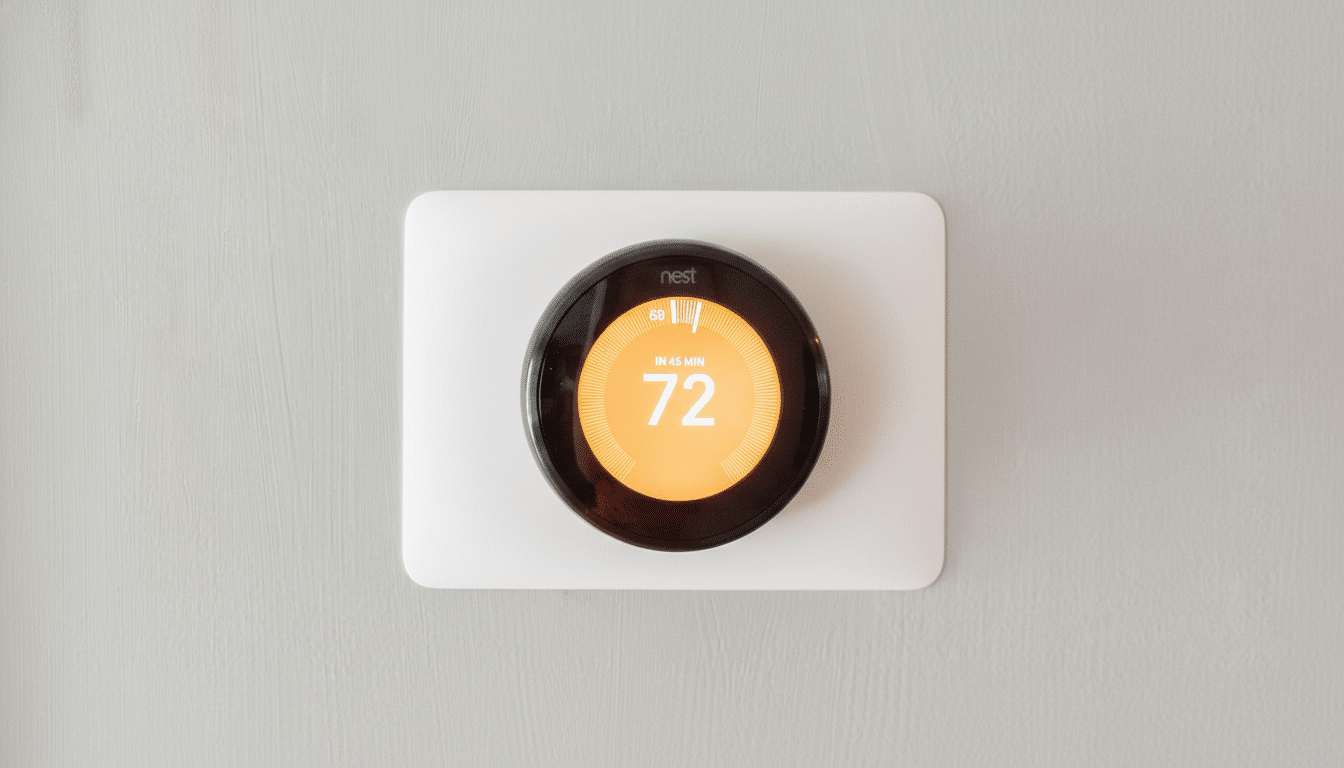
Eco or away modes maintain a wider temperature band when you’re not home, then return to comfort before you walk in. Geolocation uses your phone to trigger those shifts automatically. If your model supports room sensors, prioritize the spaces people actually use—bedrooms at night, living areas by day—so the system targets comfort where it matters.
Use Temperature Ranges to Reduce HVAC Short Cycling
Another simple tweak is widening the allowed temperature range—a small “deadband” of 2–4°F between heating and cooling or between on and off. That prevents rapid cycling, which wastes energy and wears equipment. For away settings, a wider 5–10°F cushion is reasonable, especially in mild weather. Most smart thermostats let you set these thresholds under advanced settings or eco mode.
Equally important: avoid cranking the thermostat way up or down to “speed” heating or cooling. HVAC systems don’t work faster at extreme settings; they just overshoot and run longer than needed.
Check Your Energy Savings with Heating and Cooling Degree Days
To see whether your changes are paying off, compare bills using weather data. Heating and Cooling Degree Days (from NOAA or your utility) normalize for how hot or cold a month was. Divide your energy use by HDD or CDD and compare to the previous year; a lower kWh or therms per degree day means you truly improved efficiency, not just benefited from milder weather.
Comfort Tricks That Cost Almost Nothing at Home
- Run ceiling fans counterclockwise in summer and clockwise (low) in winter to prevent drafts. LBNL studies note small increases in airspeed can mimic a 3–4°F cooling effect.
- Close blinds or curtains on hot afternoons and open them on sunny winter mornings to leverage free solar gain.
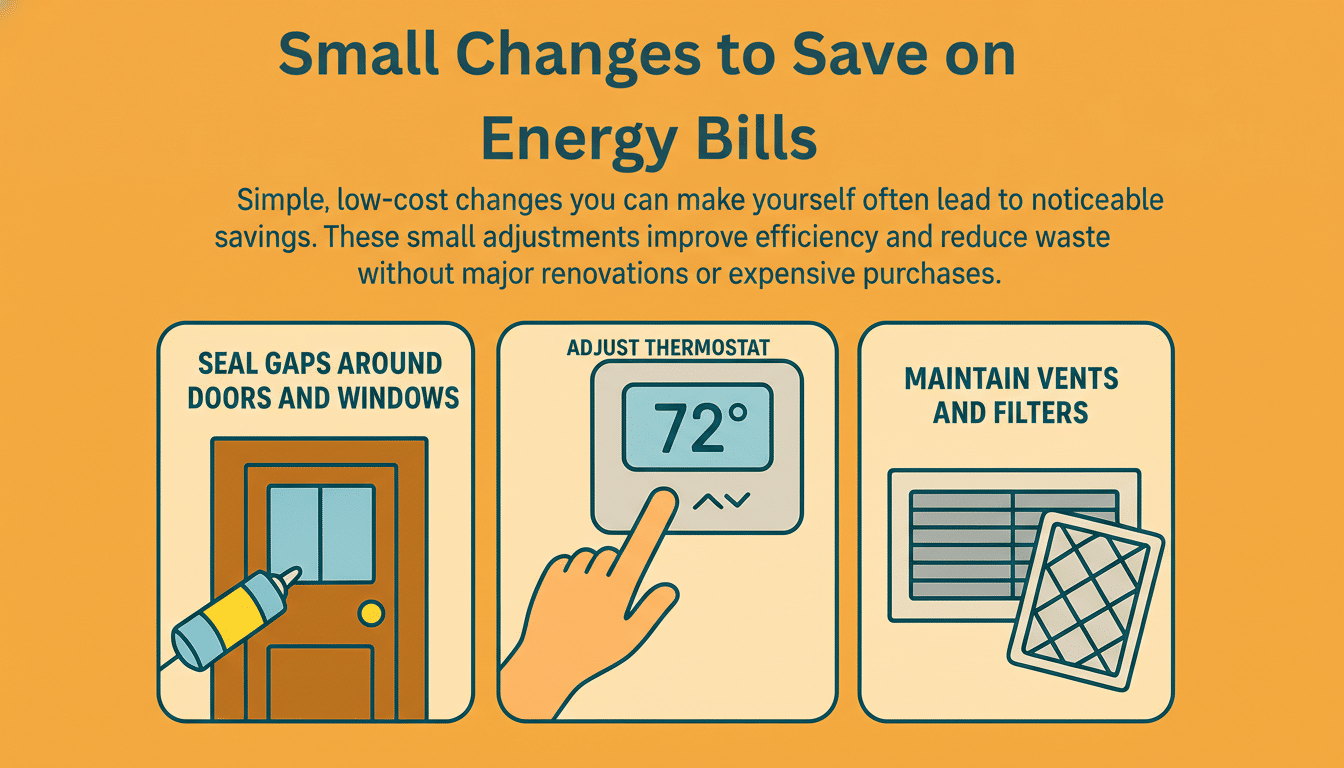
- Replace HVAC filters every 1–3 months to maintain airflow and reduce runtime.
- Seal obvious drafts around doors and windows; even a quick weatherstripping job can raise perceived winter comfort at lower setpoints.
The Bottom Line on Small Thermostat Adjustments
A one-degree change sounds trivial, yet it’s one of the few adjustments that delivers immediate savings with almost no comfort penalty. Pair that nudge with smart scheduling, a sensible temperature range, and a couple of fan and shading tactics, and you’re looking at meaningful gains—often in the 5–15% range—without living in a home that feels too hot or too cold.