


Silicon Valley’s latest relocation talk isn’t driven by the 5% headline number. It’s the proposed wealth levy’s foundation that has founders rattled: taxing “control” rather than actual equity. In a world of dual-class shares, that means a small economic stake with outsized voting rights could trigger a massive bill without any cash to pay it.
The Real Shock Is The Tax Base, Not The Rate
The ballot initiative, championed by a health care union, seeks a one-time 5% tax on individuals worth $1 billion or more. The controversial twist, reported by multiple outlets, is a formula that keys off voting power. A founder who owns roughly 3% of a public company but wields close to 30% of votes thanks to dual-class stock would be taxed as if they controlled that larger slice of value.

That is not a rounding error. In public markets, control shares often carry a modest premium; they do not confer 10x taxable value. Yet under the proposal’s default approach, voting heft, not economic ownership, drives the tax base. One founder profiled in national coverage said the formula would effectively erase his stake at the Series B stage—before any liquidity and long before product-market certainty.
Valuations And Audits In The Dark For Startups
Defenders of the measure, including a University of Missouri law professor who helped design it, argue that founders can submit independent appraisals and even defer payment until a sale. In theory, that eases the squeeze. In practice, valuation for private startups is murky and adversarial. As analysts at the Tax Foundation have noted, reasonable experts can land far apart without bad faith—inviting audits, appeals, and penalties for both the company and the appraiser.
Even with deferral, an unresolved tax tied to an inflated “control” valuation becomes a lien on the future. It complicates fundraising, restructurings, and M&A. Early-stage founders fear a scenario where the state disputes a good-faith appraisal years later, retroactively recalculates the bill, and leaves them negotiating tax liabilities with no liquidity and a shrinking cap table.
Signals Of Flight And Political Pushback
Tech investors and founders across the political spectrum have organized rapid-response channels, described in national reporting as a “Save California” chat. Some are sending location signals: a well-known Big Tech cofounder has reportedly snapped up Miami waterfront properties, and a firm tied to a prominent investor publicized a new Miami office lease. Whether tactical or real, these moves are designed to be noticed.
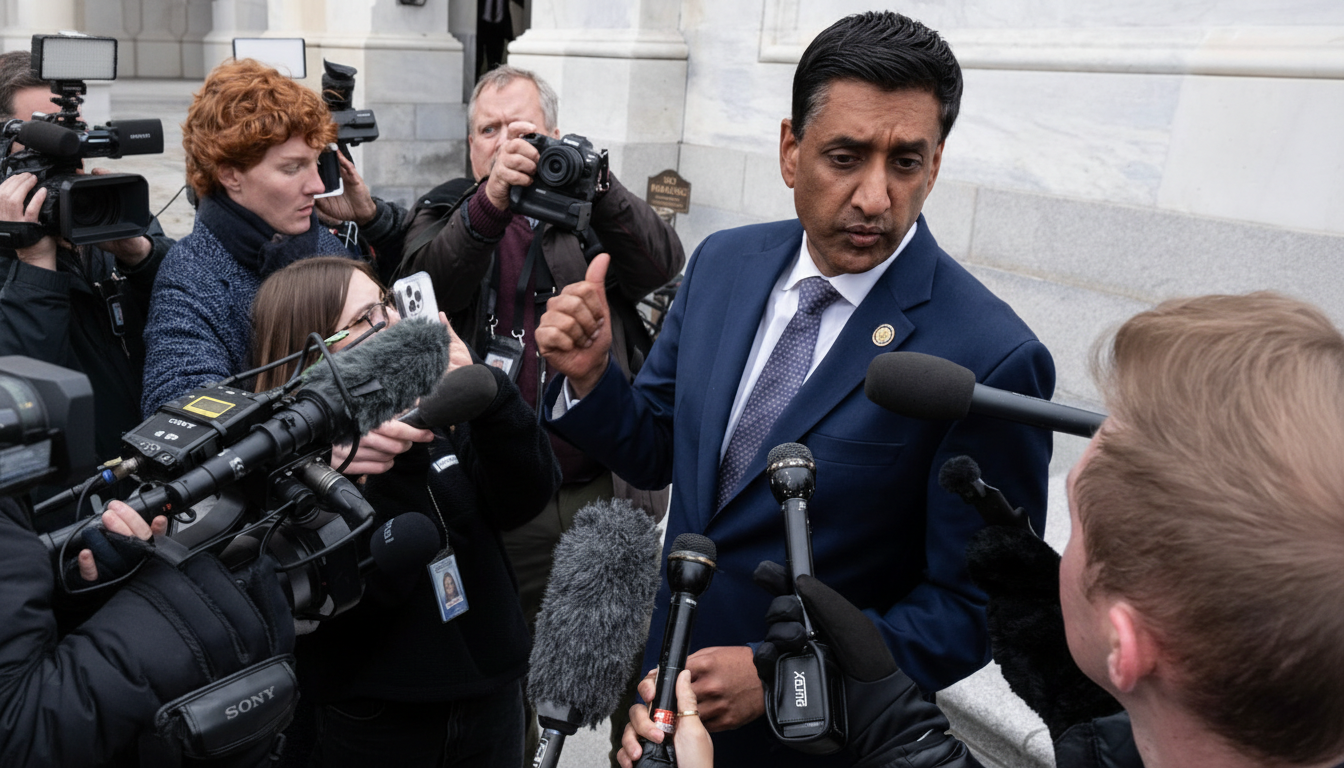
California’s governor has publicly opposed the measure, promising to work against it, while union leaders frame the tax as essential to keep emergency rooms open and stabilize care. The initiative still must clear a high signature threshold to reach the ballot and would then need a simple majority to pass. Business groups, civil liberties advocates, and tax policy organizations are already signaling litigation over retroactivity and the constitutionality of taxing control rights.
Why Founders See A Liquidity Trap Forming Now
Founders rarely have the cash their paper net worth implies. Lockups, insider trading windows, and investor agreements limit sales. Secondary markets are thin. Borrowing against private stock is costly, and pledging super-voting shares risks diluting the very control the tax seeks to measure. CFOs anticipate a grind of appraisals, audit prep, and appeals that could spook later-stage investors and buyers.
This is why relocation talk is loudest among early and mid-stage companies. Moving a headquarters or a principal residence before a retroactive cutoff can be simpler than fighting over valuations for years. The calculus is less about politics and more about eliminating an unpriced, unpredictable liability that clouds every term sheet.
What Would Calm The Exit Talk Among Founders
Several fixes would defuse the panic: base the levy on economic ownership, not voting rights; cap any control premium at a small, market-based percentage; establish safe harbor valuation methods founders can rely on; shield independent appraisers acting in good faith; and create a true nonrecourse deferral that cannot be reopened years later absent clear fraud. Clarity on retroactivity and residency tests would also shrink the gray zones driving defensive moves.
California’s tech economy has long tolerated high costs for access to talent, capital, and customers. The 5% number alone would not break that bargain. A tax architecture that converts governance mechanics into phantom wealth—and then taxes the phantom—is what pushes relocation from chatter to planning. Until the base, valuation, and enforcement issues are fixed, the exit talk will keep getting louder.