


Shopify says it has fixed an outage that disrupted sales on the year’s biggest shopping day, potentially creating a headache for businesses affected by what they say is an irregularly timed problem during critical revenue-generating days. The company said it had deployed a fix and that systems were beginning to recover, with teams continuing to monitor performance and stability.
Problems were reported early, with merchants complaining that they could not log in, citing pockets of session errors and bogged-down POS machines that were unable to authenticate. The root cause was discovered in one of its login authentication flows: “a failing path that happens to explain why both admin dashboards and point-of-sale (POS) computers were affected, as we were about to find.” The firm said its support queues were fuller than normal as a result of the incident.
- What went wrong in Shopify’s Cyber Monday outage
- How the outage impacted merchants and in-store operations
- Recovery steps and ongoing monitoring after the outage
- Why the outage timing raised the stakes for retailers
- What’s next for Shopify after the authentication failure
- What merchants can do now to manage and mitigate risk
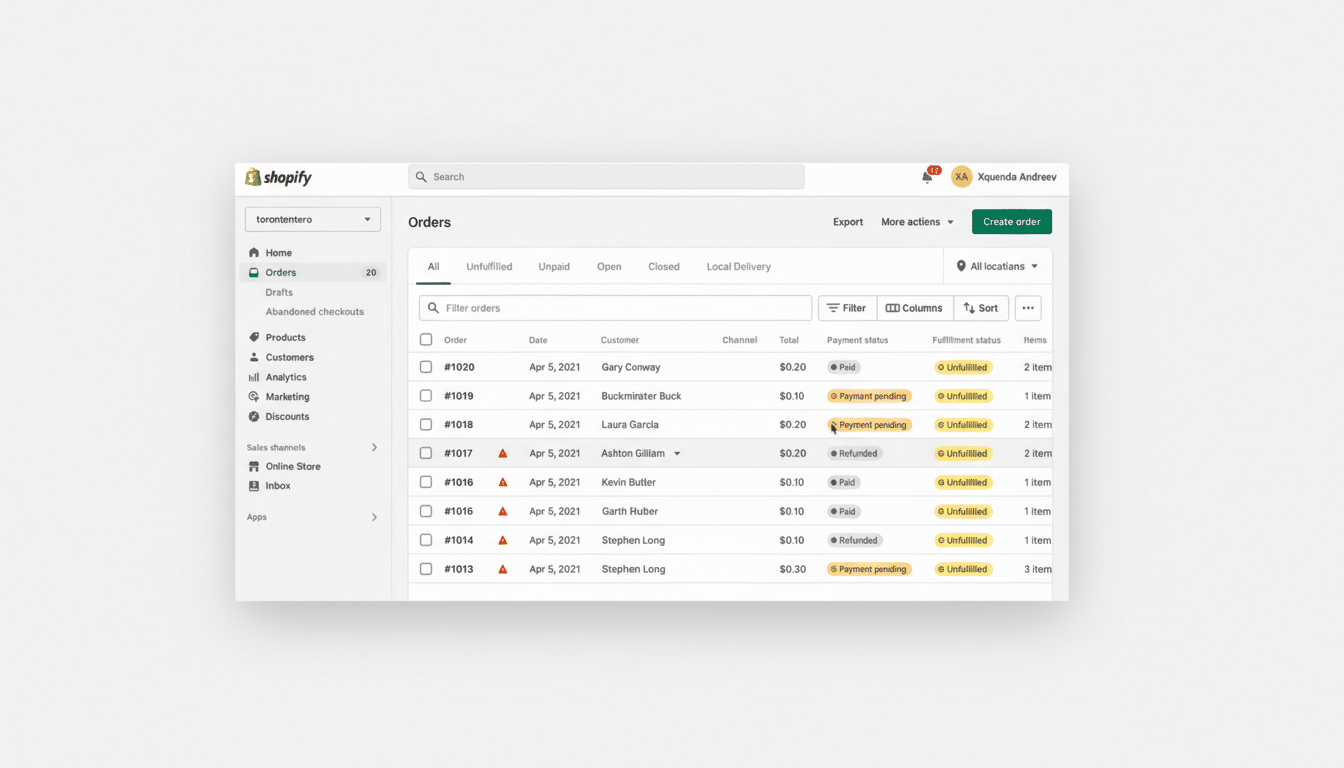
The extent of the disruption is still unclear. At its peak, Downdetector listed about 4,000 reports from users — a relatively small number in the context of Shopify’s scale and size but not insignificant when it comes to traffic on Monday. Shopify powers millions of storefronts and has claimed its merchants are responsible for more than 10 percent of all U.S. e-commerce transactions, so even brief disruptions can cause ripples in sales, staffing, and inventory operations.
What went wrong in Shopify’s Cyber Monday outage
Authentication is the front door of a modern commerce stack. When an identity service degrades, it not only locks out store admins, it can also stop POS apps from refreshing tokens, blind session handoff between SSO and checkout, or time everything out. Merchants reported symptoms similar to what they had experienced prior: repeated prompts to sign in, devices being deauthorized, and a logistics solution unable to advance past the “sign in” screen.
In cases like this, services usually roll back or make a repair to the auth service, flush and rebuild session caches, and slowly ramp traffic to be assured the system is stable. Shopify explained that they discovered and addressed the broken flow, and they were seeing encouraging signs of recovery — e.g., decreasing error rates on login endpoints and stable session durations on POS clients.
How the outage impacted merchants and in-store operations
Operational pain, the type that manifests in very tangible ways: carts load but won’t process payments, associates are unable to clock in or view a product catalog on POS, gift card and loyalty redemptions do not work. For omnichannel retailers, this can take the form of queuing in-store, abandoned carts, and workarounds like taking names to call back or rerouting transactions through stand-alone card terminals.
And in a day of time-limited deals, every minute counts. Industry analysis from both Adobe Analytics and Salesforce have previously correlated page speed and checkout flow with conversion as well as average order value. A small window to recover sales in high-intent traffic is further compressed by a minor disruption, and it typically increases customer service loads on post-purchase channels as shoppers demand clarity for partially processed orders.
Recovery steps and ongoing monitoring after the outage
Shopify says services are recovered and improving, but it is still monitoring the situation. “Merchants who lose access may need to re-authenticate admin and POS apps, refresh device sessions, and verify integrations (such as payment, shipping, or tax calculation) are syncing properly,” they added.
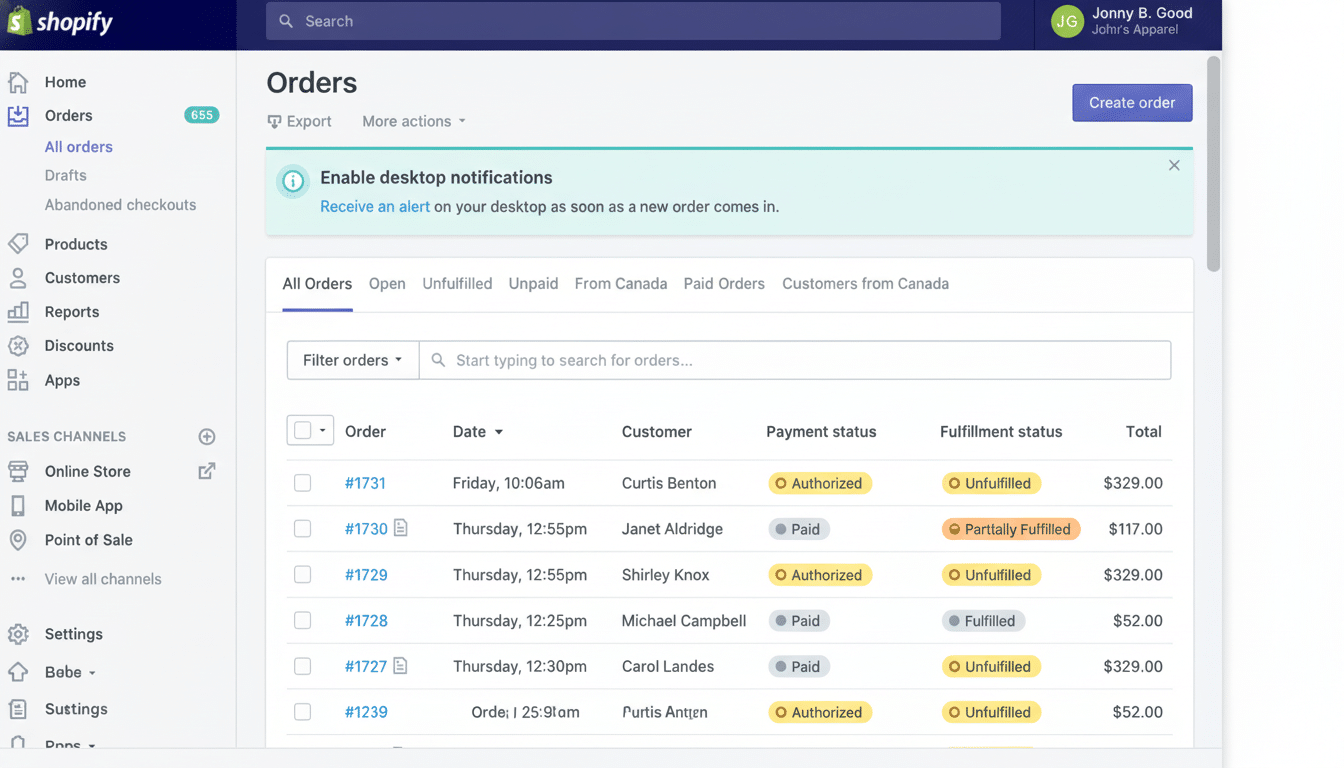
Indicators of full recovery include webhooks that fire on time, POS sessions that are stable longer than token refresh periods, order and payout reconciliation that is in sync across dashboards, and third-party apps that are all caught up with their queued events. With the higher volume of support required, merchants may want to rely first on status notifications and incident summaries before raising a ticket — unless they see recurring store-level errors.
Why the outage timing raised the stakes for retailers
Cyber Monday has become the biggest online shopping day in the U.S. year after year, with Adobe Analytics and the National Retail Federation reporting unprecedented digital sales and traffic. Shopify’s user base skews heavily toward flash sales, timed drops, and influencer-led campaigns — all relying on a frictionless authentication and checkout experience. Any points of friction could push spend toward marketplaces or competitors that offer seamless, frictionless purchasing experiences.
What’s next for Shopify after the authentication failure
You’ll receive a post-incident review of the authentication failure, how long it took for detection, and prevention safeguards moving forward. Improvements might include increased redundancy in the identity service, including more real-time backups; stricter circuit breakers that can isolate POS from admin auth problems; and (TBD) broader offline capability for in-store devices when cloud services are unhealthy.
Transparency will be key. Transparent updates on the cause, blast radius, and remediation allow merchants to calibrate their own contingency planning during peak trading windows as confidence builds for the surge remaining in the holidays.
What merchants can do now to manage and mitigate risk
Retailers can harden operations by providing offline payment options where supported, keeping a backup standalone terminal, and maintaining a simple playbook for staff: check the platform status page, retry authentication, and pivot to manual capture or order-at-door if needed. “Upstream proactive alerting on status services, regular exports of critical catalogs, and clear customer messaging templates all help compress recovery time when outages occur.”
After Shopify’s services are restored, the immediate focus is on reconciling orders, reassuring customers, and fulfilling them. It would be wise to watch dashboards for lingering errors over the next few hours, but early signs are that merchants are back in business.