


OpenAI and Instacart are introducing a grocery-shopping experience directly into ChatGPT, the language model that lets people brainstorm meals together, fill up a cart, and check out without ever exiting the conversation. It makes a routine “What do I want to cook tonight?” prompt, in one follow-up post, into an entire grocery order.
On a higher level, this is a significant foray into the realm of agentic commerce, in which AI not only suggests goods or services but also consummates their purchase for you. As consumers become more comfortable with AI assistance, Adobe predicts shoppers will engage in 520% more AI‑mediated online shopping this holiday season, a tailwind for features that bridge the gap between intent and purchase.
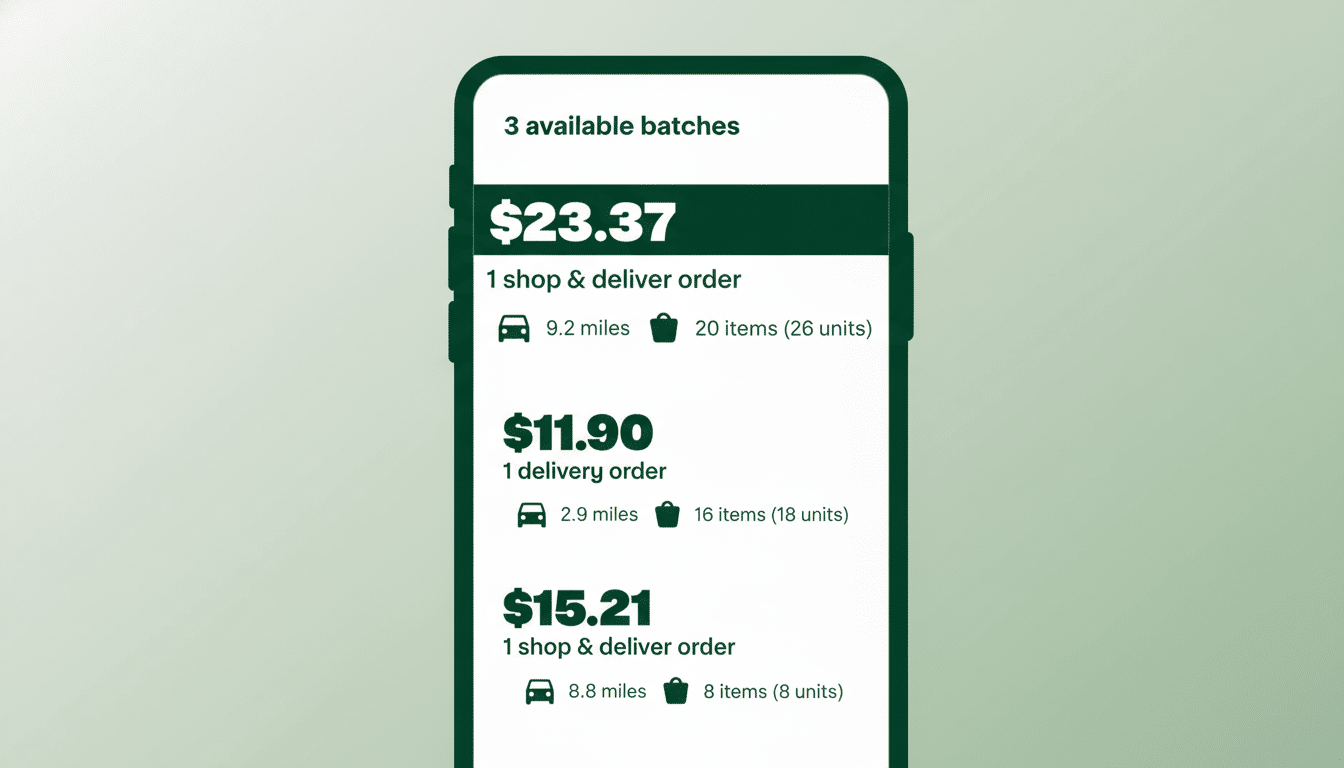
How the ChatGPT Instacart experience works
Ask ChatGPT for “30-minute vegetarian dinners for four,” and the assistant can recommend a menu, turn it into a shoppable list, map items to Instacart’s inventory of products, and offer you a smart cart that you can edit. From there, you verify quantities, swap items, and check out — all while in the chat — through your Instacart account and local store availability.
This new effort joins an earlier collaboration between the companies, which had brought ChatGPT-powered search and suggestions to Instacart’s own app. The shift is a material one: no longer are you being directed elsewhere to get the job done, but now ChatGPT acts as the front door into Instacart’s universe of grocers and purveyors, comprising discovery, list-making, and payment all within that single interface.
Why agentic commerce is a big bet for both companies
OpenAI has been throttling apps and transactions within ChatGPT. Early previews included integrations with Booking.com, Canva, Coursera, Expedia, Figma, Spotify, and Zillow — with Target and Intuit also announced as additional integrations. Food shopping is a high-frequency, high-consideration use case — the perfect test bed for assistants that provide quantifiable utility beyond chat.
There is a business model story as well. Building such massive AI remains capital intensive, and even subscription fees don’t fully pay for the computing power. For commerce integrations, OpenAI intends to levy an unspecified modest fee on sales that it facilitates. What those fees scale to meaningfully depends on how many times people allow the assistant to take them from recommendation to receipt.
What Instacart gains from the ChatGPT integration
For Instacart, the integration extends its marketplace into a new discovery channel where users already state their goals — “feed a picky toddler,” “host a gluten‑free brunch,” “stock a dorm fridge” — and are in position to be prompted through purchasing.
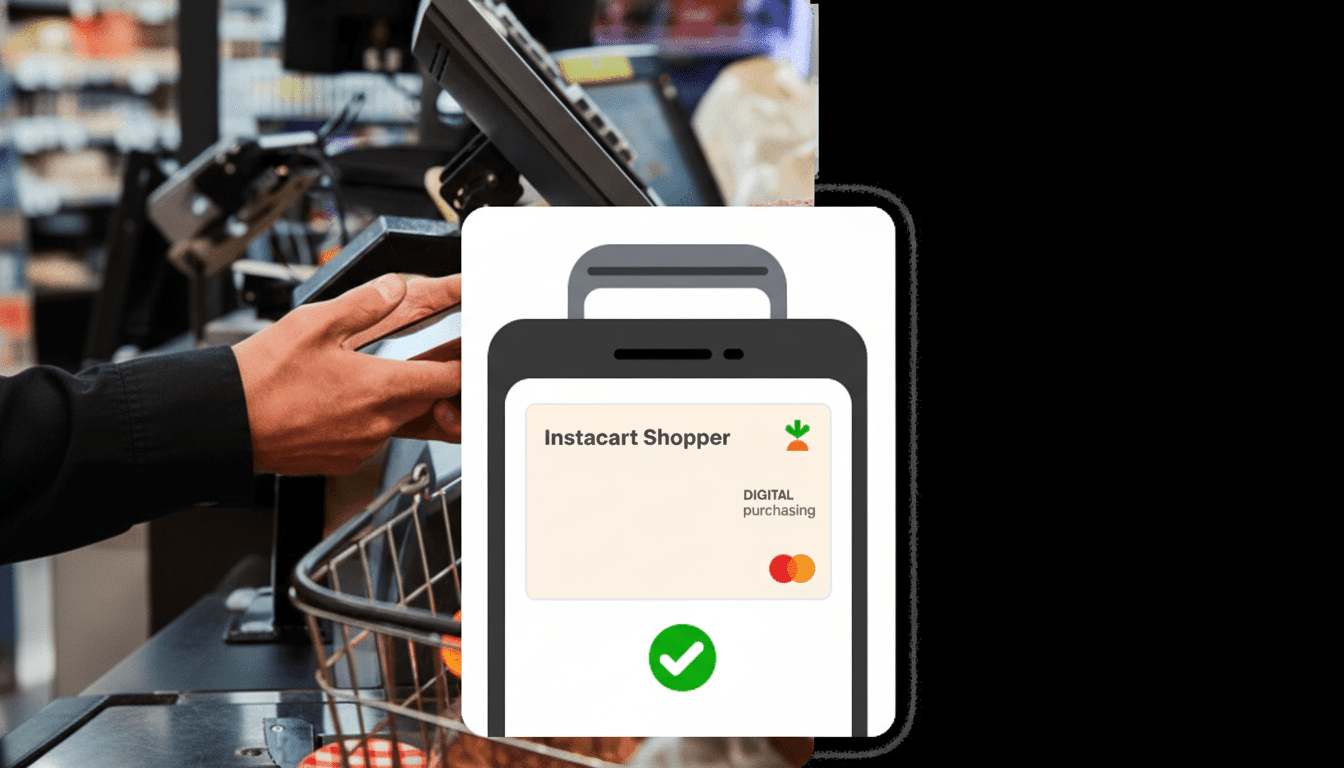
That context can increase basket size and decrease churn simply by doing the hardest part of food shopping for consumers: figuring out what to make.
The partnership also highlights closer bonds between the companies. The former Instacart chief executive now runs Applications at OpenAI, an indication of a shared thesis that consumer-ready AI should be useful, transactable, and built into day-to-day activities like meal planning.
Privacy and trust are going to be tested
Commerce within a chatbot presents new questions: What purchase data flow between OpenAI and Instacart, how are they stored, and what controls do users have? Transparent policies regarding cart contents, addresses, and payment tokens will be essential. So will trusted guardrails; if an assistant says something is safe for people with nut allergies or offers up recipe substitutions, whether the advice is accurate will matter — and regulators have already cautioned that AI‑generated claims are not exempt from truth‑in‑advertising rules.
And then there will be the next test: returns, refunds, and shipping hiccups. The change only feels magical if the handoff from suggestion to doorstep is seamless and support is entirely accessible when something goes wrong.
The bigger retail picture as conversational buying grows
Rivals are sprinting to the same turf. Other AI assistants have introduced shopping helpers, and big retailers are developing conversational guides of their own. Groceries are especially complicated due to perishables, in‑stock levels, and substitutions — which is exactly why an aggregator like Instacart seems like the right early partner.
The upshot: Thanks to ChatGPT, it’s now minutes between the dinner concept and doorstep delivery. If consumers adopt the habit, conversational buying will shift from novelty to a mainstream path to purchase — and grocery shopping may never be quite the same.