


The Industry Is No Longer Evolving—It’s Repositioning
There was a time when creative technology evolved in incremental steps—faster tools, better interfaces, incremental upgrades. That phase is over. What the industry is experiencing now is not evolution, but repositioning. The expectations placed on creative systems have fundamentally changed, driven by the acceleration of digital content, the demand for precision, and the need for scalable workflows.
In this shifting landscape, platforms are no longer judged by isolated features but by how well they integrate into a larger operational vision. Seedance 2.0 and Seedance 2.5 stand at the center of this transition, representing a broader movement toward systems that are not only functional but strategically aligned with the future of creative work.
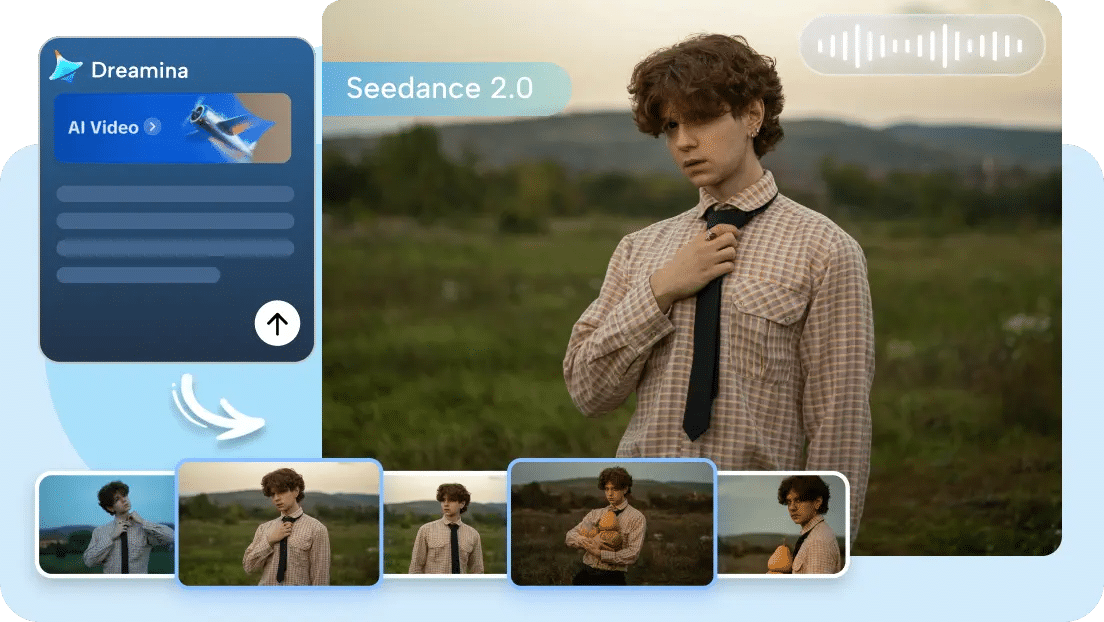
These frameworks signal a move away from fragmented workflows toward unified, intelligent environments capable of adapting to continuous change.
From Tools to Ecosystems: A Defining Shift
One of the most significant trends shaping the industry is the transition from standalone tools to interconnected ecosystems. Creative work is no longer linear, and as a result, the systems supporting it cannot afford to operate in isolation.
Seedance 2.0 reflects the early stages of this transformation by introducing structured workflows that bring order to complexity. It provides a cohesive environment where different elements of the creative process can function in harmony, reducing inefficiencies and improving consistency.
Seedance 2.5 extends this concept further, transforming structured workflows into adaptive ecosystems. Instead of simply connecting processes, it enhances them, allowing systems to respond dynamically to changing conditions. This shift is particularly evident in modern creative environments where experimentation—often explored through platforms like Dreamina—reveals how interconnected systems can dramatically improve both speed and output quality.
The distinction is subtle but powerful: one organizes workflows, the other evolves them.
Intelligence as the New Competitive Edge
Another defining trend is the rise of intelligent systems as a core competitive advantage. Efficiency alone is no longer enough; platforms must demonstrate the ability to adapt, optimize, and improve over time.
Seedance 2.0 establishes a reliable baseline by ensuring that workflows remain stable and predictable. This reliability is essential, particularly in environments where consistency is critical. However, as creative demands grow, the limitations of static systems become more apparent.
Seedance 2.5 addresses this by introducing a layer of intelligence that enhances decision-making within the workflow itself. Processes become more responsive, adjustments more seamless, and outcomes more refined. This transition from static to adaptive systems represents a major turning point in the industry.
Professionals working within advanced creative ecosystems—sometimes leveraging environments are beginning to recognize that the future belongs to systems capable of learning and evolving alongside their users.
The Rise of Scalable Creativity
Scalability has emerged as one of the most important factors in modern content production. As demand increases, organizations must find ways to expand output without compromising quality. This challenge has exposed the limitations of traditional systems, which often struggle to maintain consistency at scale.
Seedance 2.0 provides a structured approach that supports growth by maintaining order and efficiency. It ensures that workflows remain manageable, even as production demands increase.
Seedance 2.5, however, redefines scalability by integrating optimization directly into the system. It enables workflows to expand intelligently, preserving quality while increasing output capacity. This ability to scale without degradation is becoming a defining characteristic of next-generation creative platforms.
In practical terms, those exploring scalable systems through platforms often discover that the difference lies not in the tools themselves, but in how effectively those tools are structured and optimized.
The Convergence of Creativity and Strategy
A notable shift within the industry is the convergence of creativity and strategic thinking. Content is no longer created in isolation; it is developed as part of a broader narrative that aligns with business objectives and audience expectations.
Seedance 2.0 supports this convergence by providing a clear and organized workflow that keeps creative efforts aligned with strategic goals. It ensures that each stage of production contributes to a cohesive outcome.
Seedance 2.5 enhances this alignment by introducing adaptability, allowing strategies to evolve in real time. This is particularly valuable in fast-moving environments where flexibility is essential.
As creators engage with more advanced systems—often within platforms they begin to understand that the most effective workflows are those that seamlessly integrate creativity with strategy. This integration is quickly becoming a standard rather than an exception.
Preparing for the Next Phase of Innovation
Looking ahead, the trajectory of creative technology is becoming increasingly clear. The future will be defined by systems that are not only efficient but also self-optimizing, interconnected, and capable of anticipating user needs.
Seedance 2.5 represents a step in this direction, offering a glimpse into how adaptive systems can transform the creative process. At the same time, Seedance 2.0 remains an essential foundation, providing the structure required to support these advancements.
This dual approach highlights an important reality: innovation is not about replacing existing systems, but about building upon them. The most effective platforms are those that combine stability with adaptability, creating a balanced framework that can evolve over time.
A New Era of Creative Leadership
As the industry continues to shift, the role of creative professionals is also changing. Success is no longer defined solely by technical skill or artistic vision; it requires an understanding of systems, workflows, and strategic alignment.
Seedance 2.0 and Seedance 2.5 empower this new generation of creators by providing tools that support both execution and decision-making. They enable users to move beyond traditional limitations, embracing a more holistic approach to creative work.
For those exploring the forefront of creative technology—often through experimental environments this represents an opportunity to redefine not just how content is created, but how it is conceptualized and delivered.
Conclusion
The creative technology industry is entering a new phase, one defined by integration, intelligence, and scalability. Seedance 2.0 and Seedance 2.5 exemplify this shift, offering systems that align with the evolving demands of modern content production.
By moving beyond traditional workflows and embracing adaptive, interconnected frameworks, these platforms are helping to shape the future of creative work. They are not just part of the industry’s evolution—they are actively defining its direction.