


Our minds process millions of stimuli daily, which is honestly overwhelming. It is easy to seek instant gratification. Many people scroll endlessly or play games like สล็อตเว็บตรง to pass the time. However, maintaining sharp cognitive function requires intentional effort. Let us explore scientifically backed methods to protect your mind.
The human brain is an incredible organ. It controls every thought, movement, and memory. Yet, we often take its resilience for granted. Understanding how to care for it is the first step toward longevity.
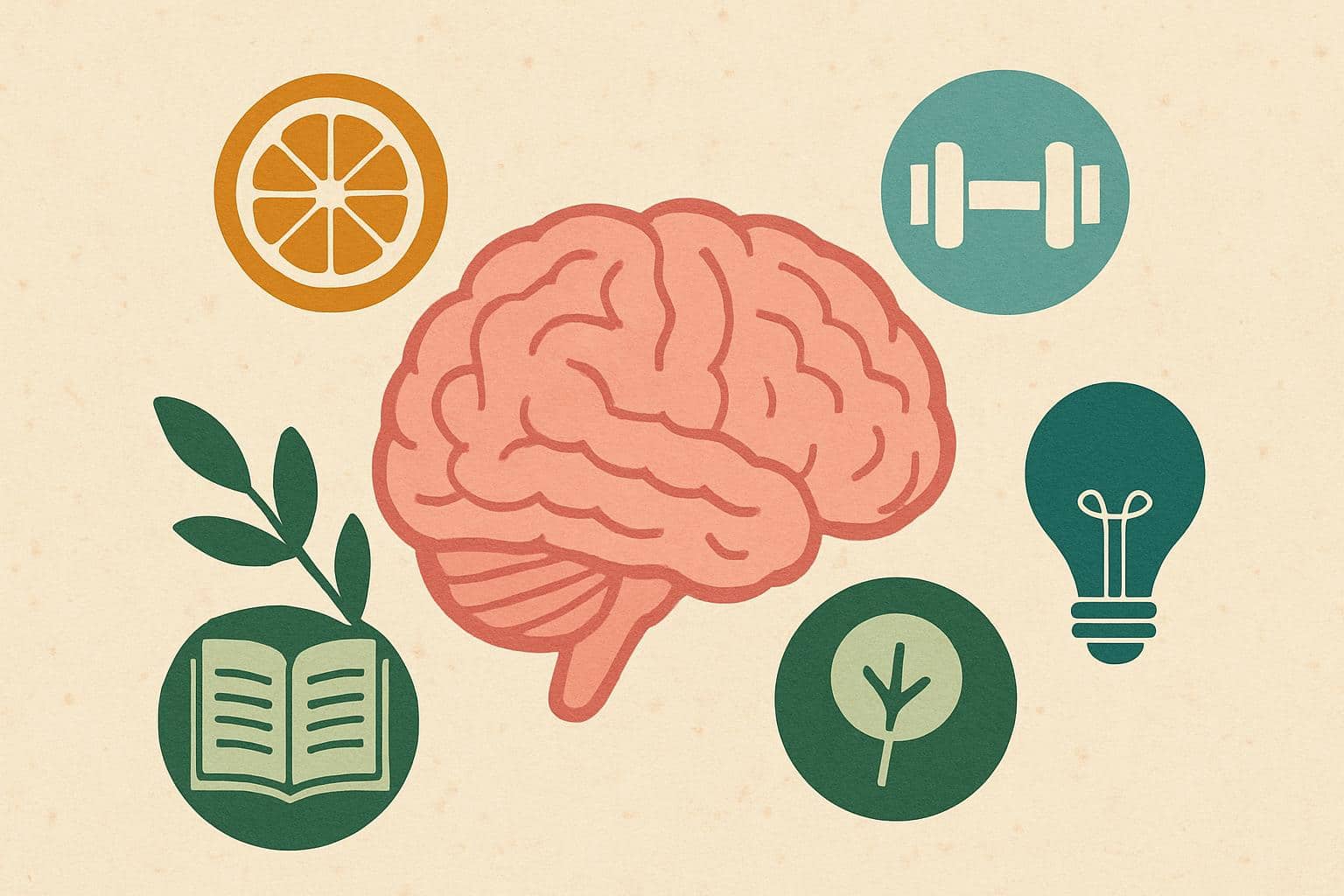
Think of your mind like a complex muscle. If you do not use it regularly, it weakens. Science shows that mental stagnation leads to faster cognitive decline. We must actively engage our intellect every single day.
The Science Behind Brain Health
Neuroscientists study how our environment affects mental acuity. Research shows that daily routines heavily influence neural pathways. Good habits build stronger connections between neurons over time.
Conversely, poor lifestyle choices can accelerate cognitive decline. Chronic stress and lack of sleep are major culprits. They create inflammation that damages delicate brain tissue. Protecting your mind requires consistent, positive actions.
Environmental toxins also play a hidden role. Air pollution and heavy metals can cross the blood-brain barrier. Wearing a mask in heavy traffic or filtering your drinking water helps minimize these neurological risks.
How Neuroplasticity Impacts Brain Health
Neuroplasticity is the brain's ability to reorganize itself. It forms new neural connections throughout life. This means you can literally rewire your mind. Learning new skills is a fantastic way to trigger this process.
When you challenge your intellect, your brain physically changes. Gray matter density can actually increase in regions associated with memory. This proves that mental exercise is just as vital as physical workouts.
Daily Habits for Optimal Brain Health
Experts previously used tables to rank cognitive activities. Instead, we have outlined the top strategies right here. Consistency is far more important than intensity when building these routines.
- Prioritize quality sleep: Aim for seven to nine hours nightly to clear metabolic waste.
- Engage in aerobic exercise: This increases blood flow and delivers essential oxygen to neural tissues.
- Practice mindfulness meditation: This reduces cortisol levels and protects the hippocampus from stress damage.
- Learn a new language: Bilingualism builds cognitive reserve and, well, delays age-related memory loss significantly.
- Eat antioxidant-rich foods: Blueberries and dark chocolate fight oxidative stress effectively.
- Stay socially active: Meaningful conversations stimulate multiple cognitive domains simultaneously and prevent isolation.
- Limit processed sugars: High glucose levels impair memory formation and shrink vital brain regions.
- Play strategic puzzles: Chess and crosswords force your intellect to adapt and solve novel problems rapidly.
- Spend time in nature: Green spaces lower mental fatigue and restore directed attention capacities.
- Read physical books: The tactile experience improves comprehension and reduces digital eye strain significantly.
Nutrition and Long-Term Brain Health
What you eat directly fuels your intellect. The Mediterranean diet is widely recommended by neurologists. It focuses on whole grains, lean proteins, and healthy fats. These nutrients protect cellular membranes from degrading.
Omega-three fatty acids are especially crucial. They form the structural building blocks of brain cells. You can find them in salmon, walnuts, and flaxseeds. Supplements can help, but whole foods remain superior.
Hydration's Role in Brain Health
Water is often overlooked in cognitive wellness. Even mild dehydration impairs focus and short-term memory. Your mind is roughly seventy-five percent water. It needs constant replenishment to transmit electrical signals efficiently.
Keep a reusable bottle at your desk. Drink consistently throughout the day rather than chugging large amounts at once. Herbal teas also count toward your daily fluid intake goals.
Electrolytes are equally important for neural transmission. Sodium, potassium, and magnesium facilitate electrical impulses. A pinch of sea salt in your morning water can boost mental clarity and prevent afternoon fatigue.
Sleep Architecture and Brain Health
Deep sleep is when the magic happens. The glymphatic system activates during these restful hours. It flushes out toxic proteins that accumulate during waking hours. Without this process, cognitive fog inevitably sets in.
Establish a strict bedtime routine. Avoid blue light from screens at least one hour before sleep. This allows natural melatonin production to peak, ensuring you reach those vital deep restorative stages of rest.
Stress Management for Brain Health
Chronic stress literally shrinks the prefrontal cortex. This area handles decision-making and emotional regulation. Simultaneously, it enlarges the amygdala, making you more reactive. Managing stress is not a luxury; it is biological necessity.
Deep breathing exercises can reverse this damage. Box breathing calms the nervous system almost instantly. Inhale for four seconds, hold for four, exhale for four, and hold again. Repeat this cycle five times.
Final Thought
Taking care of your mental faculties is a lifelong journey. It does not happen overnight. By adopting these simple, proven strategies, you build a resilient mind capable of thriving in old age.
Start small by picking just one habit today. Protecting your cognitive function is the greatest gift you can give your future self. Stay curious, stay active, and keep challenging your intellect daily.