


The Securities and Exchange Commission has proposed giving eligible U.S. public companies a choice that could materially change the rhythm of corporate disclosure: replace quarterly reports with a single semiannual filing. The May 5 proposal would create Form 10-S, allowing an electing company to submit one interim report for its first six months and one annual report each fiscal year instead of three Form 10-Q reports and an annual report.
The measure is consequential because Form 10-Q filings are a core standardized source of interim financial information for investors, analysts and markets. But it is not yet a rule, and it does not require companies to stop filing quarterly reports. The SEC is proposing an option, not mandating a new reporting calendar for every issuer.

How the Form 10-S option would work
Companies subject to Exchange Act Sections 13(a) or 15(d) currently file Form 10-Q reports after each of the first three fiscal quarters. Under the SEC’s proposed amendments, an eligible company that elects the new route would replace those three quarterly reports with a Form 10-S covering its first semiannual period. The annual report would remain part of the cycle.
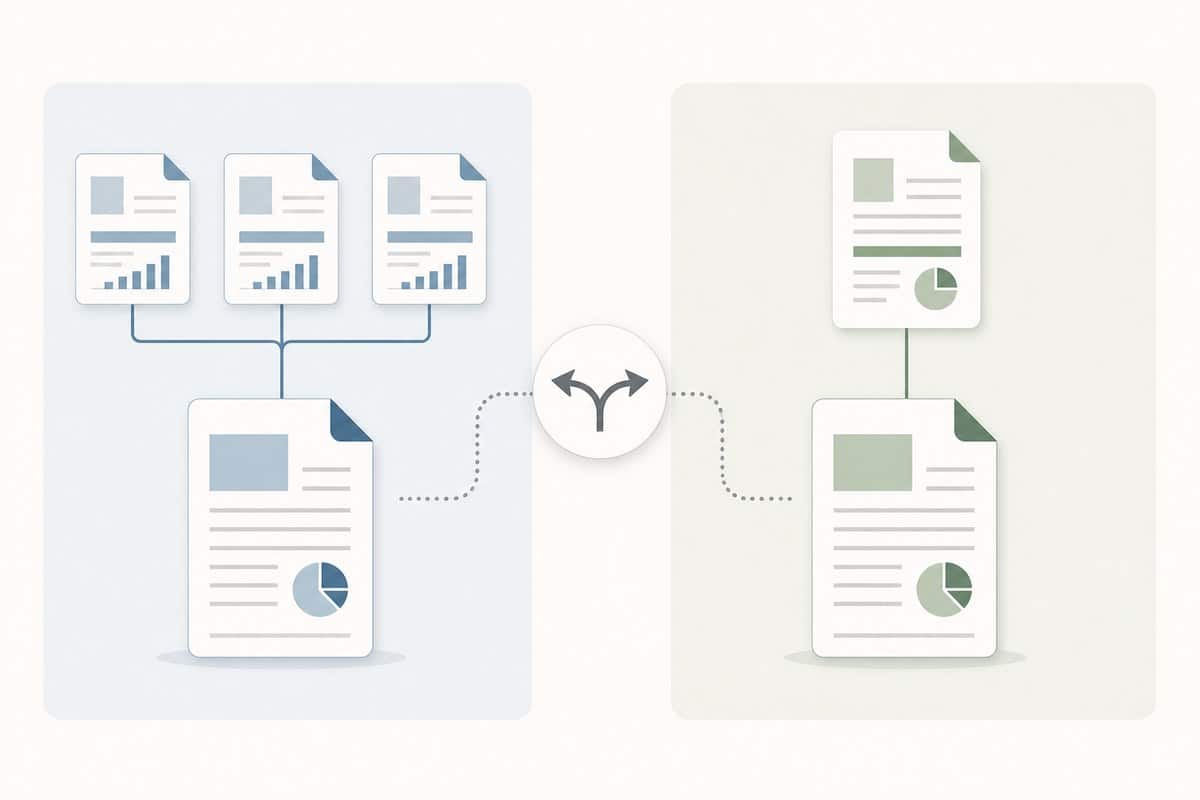
Put simply, the required periodic-report sequence for an electing issuer would move from four reports a year—three interim reports and an annual report—to two: one semiannual report and one annual report. That is a 50% reduction in the number of periodic reports described by the proposal, though it does not itself establish how much an individual company’s compliance costs would fall.
The filing deadline for the proposed Form 10-S would be 40 or 45 days after the end of the first six-month period, depending on the company’s filer status. The SEC also proposes related changes to Regulation S-X, the accounting rules governing financial-statement requirements, with the agency saying the revisions would simplify existing requirements in light of the semiannual option.
That design makes the proposal different from a wholesale elimination of interim reporting. A company choosing the option would still have to provide a midyear regulatory filing; the change is the replacement of first-, second- and third-quarter reports with one report covering the first half of the year. The SEC said comments will be due 60 days after the proposing release is published in the Federal Register.
Quarterly filings are not the same as earnings releases
Discussion of the proposal has at times framed it as a plan to make companies disclose earnings less often. The SEC announcement is narrower. It addresses mandatory periodic reports filed with the agency—principally Form 10-Q today and proposed Form 10-S under the new option—not the schedule of voluntary earnings releases, conference calls or investor presentations.
Those practices often accompany quarterly results, but they are not identical to a Form 10-Q obligation. The SEC’s announcement does not say the amendments would prescribe a different timetable for voluntary earnings announcements. A company could make decisions about those communications separately from its election of a semiannual periodic-reporting path, subject to applicable disclosure obligations that remain outside the scope of the announcement.
The distinction is important for interpreting the market effect. A Form 10-Q supplies a recurring, standardized regulatory package that can include financial statements and management discussion. Reducing the number of required packages could increase the interval between comparable mandated disclosures for issuers that opt in. It does not, based on the SEC’s description, automatically determine when those issuers communicate financial results through other channels.
Disclosure debate has begun without a documented Form 10-S opposition campaign
SEC Chairman Paul S. Atkins said the proposal would give companies and their investors flexibility to select the interim-reporting frequency that best serves their needs. The agency’s stated rationale therefore rests on issuer and investor choice, rather than an assertion that a semiannual schedule should replace quarterly reporting across the public market.
There is broader investor-side concern about efforts to reduce corporate disclosure. The Council of Institutional Investors, on its website, characterizes the SEC’s wider direction as a significant scaling back of corporate disclosure intended to reduce corporate expenses. That statement provides context for the policy debate, but it is not a dated, formal position on proposed Form 10-S and does not identify particular objections to its deadlines, financial-statement content or eligibility.
No specific investor, fund or investor organization response to this proposal is identified in the public material cited here. Nor is there a documented list of companies planning to use the optional route. The eventual comment file may show whether investors focus on the loss of quarterly standardized data, whether issuers emphasize compliance burdens, or whether commenters seek changes to the proposed form and timetable.
For now, the practical issue is choice. Companies would have to elect the semiannual route if the SEC adopts it, while the Commission must first complete its rulemaking process after the comment period. The proposal’s immediate effect is to put the frequency of mandatory interim filings at the center of the SEC’s disclosure agenda; it does not alter any company’s filing duties today.