


With its new iPhone 17 Pro and Pro Max, Apple is battling a mounting ‘Scratchgate’ plague as graffiti, scrapes, and blemishes start to appear within days of unboxing for buyers — from day-one shoppers to storefront comparisons — as well as durability testers. The complaints focus on the finish around the camera plateau and exposed edges, and users are sharing pictures of damage that is unusually prominent for high-end devices.
It is spreading through socials from different countries, with demo units in large cities already showing marks on display just hours after they were installed.
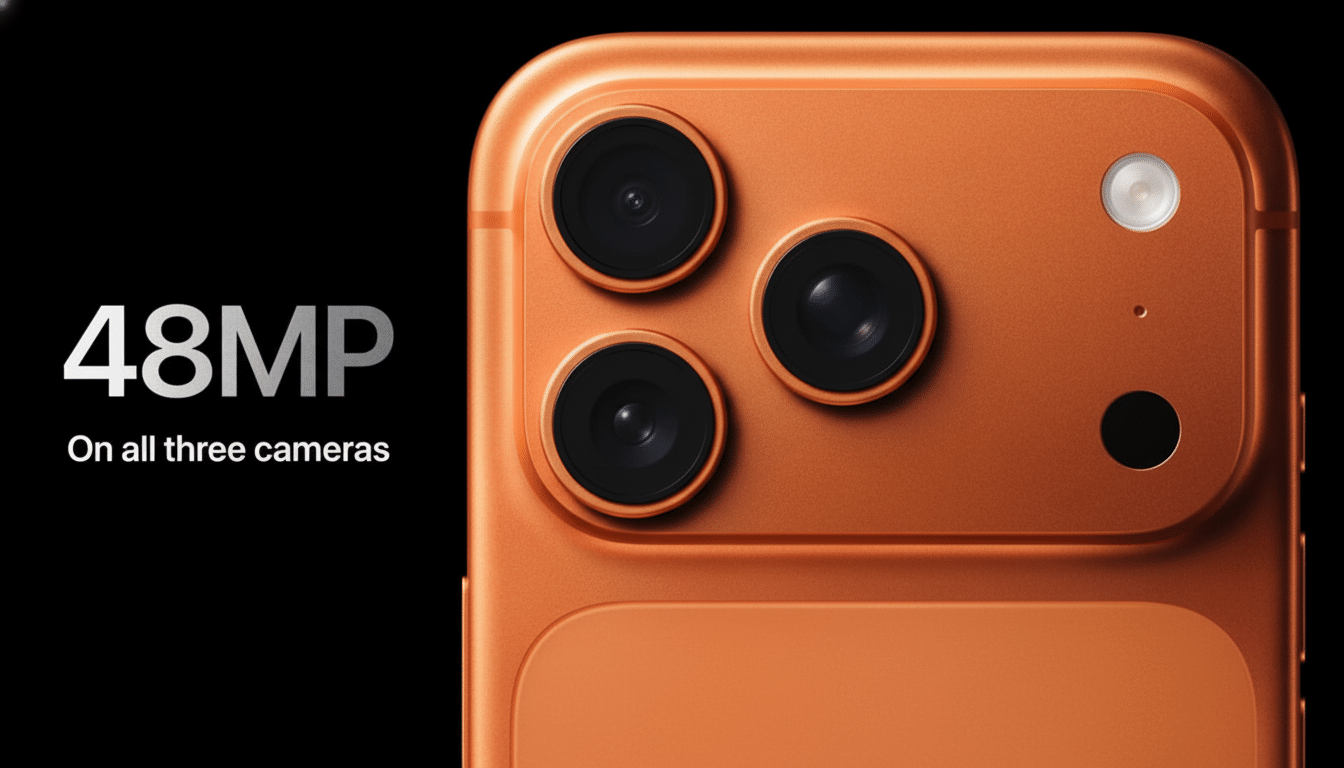
Chatter has built up enough that a narrative is beginning to take form: the newest Pro models may be more prone to cosmetic wear and tear than recent generations have been.
What testing shows about the finish and edge durability
Durability tester Zack Nelson, a YouTuber who specializes in putting the latest gadgets through their paces in his JerryRigEverything torture tests, discovered that the sharp, unprotected corners around the camera bump scratched and chipped easily during his usual stress-testing process. While typical smartphone glass only exhibits micro-abrasions at 6 and deeper grooves starting at 7 on the Mohs scale, Nelson’s concern wasn’t for the display — but rather, for the frame and camera plateau geometry that he says does not feature any sort of protective chamfer or radius.
Sharp-edged profiles are classic weaknesses for coatings because adhesion suffers where final coats shear out. If the decorative or protective layer doesn’t cover those corners as consistently, pocket grit, coins, and keys can cut into the metal and lift off the coating more quickly than on flat surfaces. Nelson’s read: The crisp line style chosen around the camera mound is striking on day one, but it may exaggerate wear and tear.
This phenomenon connects to a larger point about materials engineering. Hard coatings will survive scratches but can be brittle around sharp edges; softer coatings are more flexible but mark more easily. When industrial design starts tilting toward knife-edge aesthetics, those concessions become more apparent — literally — in regular day-to-day usage.
In-store sightings and global buzz about early wear issues
Apple Store demo units from several markets have developed surface wear within hours of exposure to shoppers’ hands, particularly around the camera housing, Bloomberg reported. Some also mention that, like all colored coatings, darker finishes do show abrasive markings a bit faster than lighter ones.
Another common complaint: circular marks that users suspect come from MagSafe charging. These rings, while always strictly cosmetic, can be more visible on smooth satin finishes. They’re not new in a MagSafe-equipped iPhone era, but early adopters say the marks set in faster this cycle.
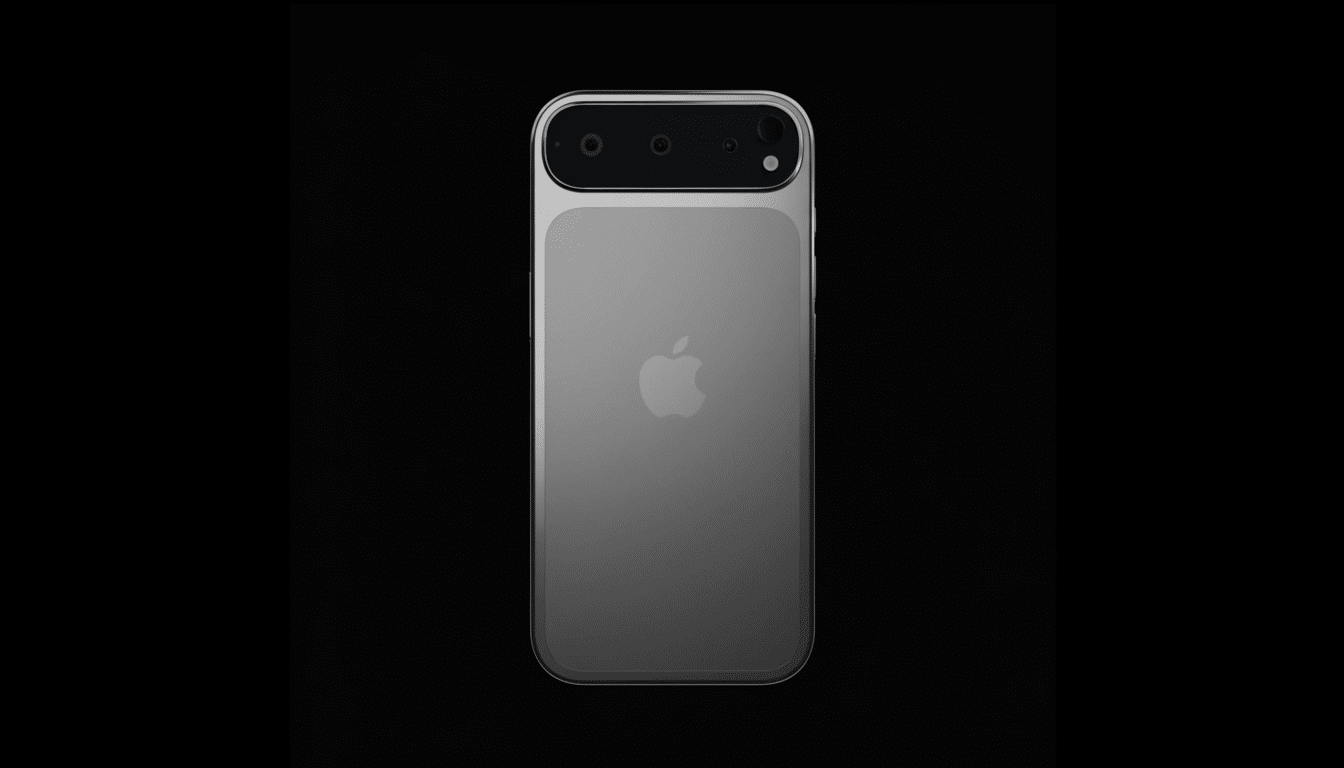
The discussion has exploded on platforms such as Weibo and X, where photos of scuffed edges and chipped corners are circulating. Though social posts aren’t formal failure rates, the number and consistency of those images has increased buyer anxiety ahead of wider availability.
Design changes and trade-offs in durability
Apple’s Pro models typically drive material changes to deal with heat, weight, and the feel in hand. Even minute tweaks — new alloy mixes, revised coatings, or edge profiles — can influence how a phone wears. If the 17 Pro line features a different finishing stack, or if there’s a more abrupt geometry around the camera plateau, this might account for why people are getting these localized scuffing patterns.
Finish failures come in three flavors: micro-scratching from the fine side of particulates (dust, sand), abrasion or polishing from repeated friction (pockets, wireless chargers), and chips where a coating debonds at the edge. The present wave seems densest in the third category, implying a geometry-and-adhesion question rather than an all-embracing toughness problem.
What owners can do now to prevent cosmetic damage
Short of a design overhaul, prevention is the best play. Practical steps include:
- Choose a case with raised protection around the camera plateau to protect those corners.
- Put a skin or thin film on the camera surround; it won’t protect against dents, but you’re covered for edge chips and MagSafe rings.
- Avoid hard objects inside pockets and bags, such as keys, coins, or sand.
- Fitting a glass or polymer screen: displays aren’t really the issue here, but micro-abrasions will occur over time.
- If marks develop fast, note them and read store policies; exchange windows and terms of AppleCare coverage differ by region.
What to watch for from Apple as feedback grows
Apple has not issued a public comment about the issue. When cosmetic durability generates a storyline, manufacturers may deal with it in various ways: subtle adjustments to the process in later production runs; clearer care guidance; or even service accommodations if wear is determined to be abnormal.
The quickest solution would be a change to the geometry or coating around the camera plateau — a radius might need to be added, or ways found to allow deposition to be pushed outward there. Those are incremental changes that don’t make a huge difference in appearance but are intended to enhance resistance to chips.
Until then, the 17 Pro and Pro Max are incredibly strong flagship phones that have been dragged down by a cosmetic asterisk. If you care a lot about unscathed hardware, protection accessories aren’t optional this cycle for buyers — they’re part of the purchase decision.