


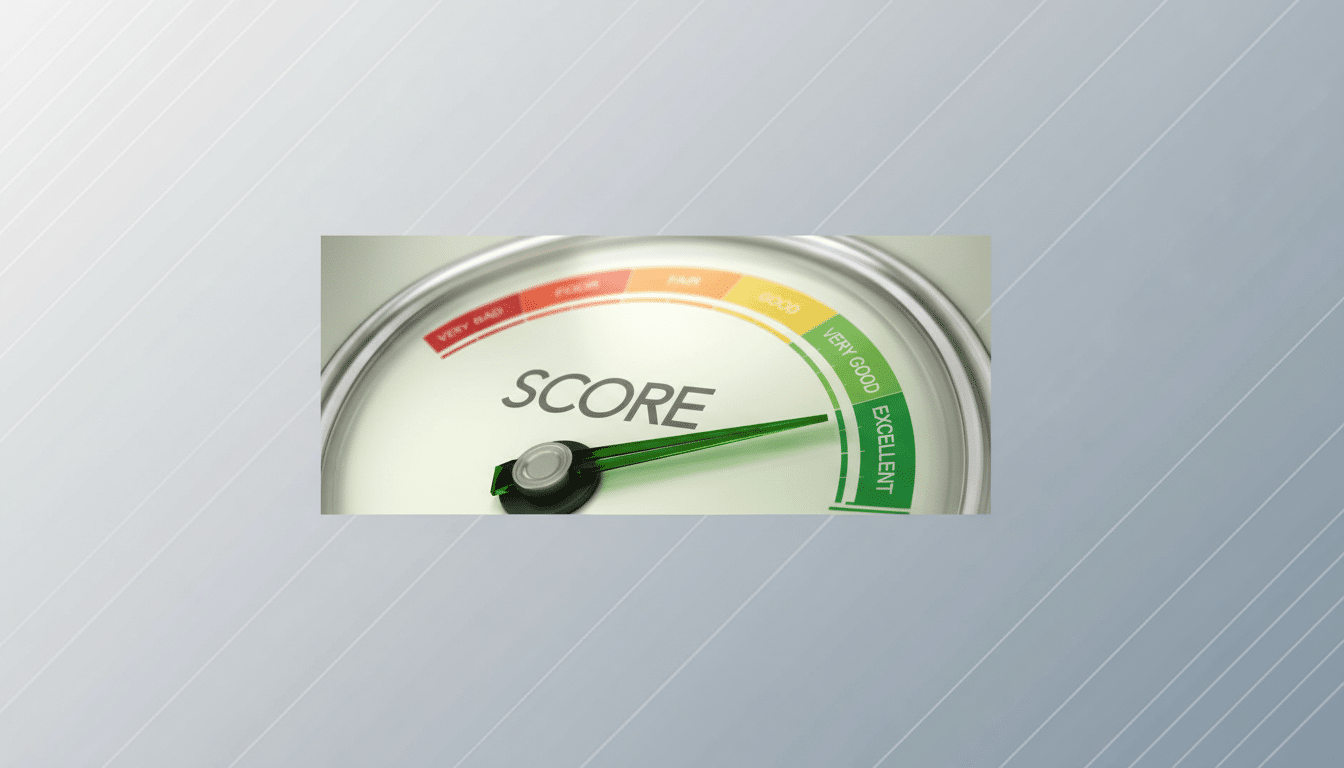
A dating app is putting FICO at the heart of flirting. Score, a platform that first drew attention for requiring above-average credit to join, is relaunching with a model that uses verified credit scores as a matching signal—an approach that has sparked equal parts curiosity and alarm among daters, privacy advocates, and economists.
How Score’s Credit-Based Matching System Works
In its first iteration, Score limited access to people with a credit score of 675 or higher and said it attracted tens of thousands of users. The reboot drops that hard cutoff but adds two tiers: anyone can sign up, while those who choose to verify their credit unlock extra perks, such as sending video introductions or messaging before a mutual match.

Verification is handled by Equifax, which will process both identity checks and score confirmation. The company’s pitch is straightforward: credit isn’t a proxy for wealth, they argue, but for reliability. In other words, people who make payments on time may also be less likely to ghost.
That framing taps into a long-running tension in modern dating apps. Platforms already segment users by subscription tiers, photos, prompts, and activity signals; Score adds a financial behavior variable and markets it as a trust indicator, not a velvet rope.
Privacy And Bias Questions Intensify Around Credit-Based Dating Apps
Making credit a courting criterion raises clear privacy stakes. Equifax, Score’s verification partner, experienced one of the largest U.S. data breaches on record in 2017, exposing sensitive information for roughly 147 million people. Even with modern defenses, the mere request for credit-related verification can feel invasive, especially when dating apps already ask for location, photos, and personal preferences.
Regulators have also warned for years that credit files can embed structural inequities. The Consumer Financial Protection Bureau has noted how credit outcomes correlate with income, access to banking, and even geography. Because payment history and amounts owed dominate FICO models, people carrying medical debt, paying high-interest balances, or building credit for the first time risk scoring lower regardless of their personal integrity or relationship readiness.
There’s a compliance dimension, too. Under the Fair Credit Reporting Act, companies need clear consumer consent to access credit data and must explain how that data is used. Transparency around data retention, purpose limits, and the ability to revoke consent will be crucial tests for any matchmaking system that leans on financial files.
The Financial Backdrop For Singles Using Dating Apps
Score’s relaunch lands amid a choppy credit landscape. FICO reported that the national average credit score ticked down recently—the first sustained dip in about a decade—reflecting higher balances and more missed payments. New York Fed data show credit card delinquencies rising fastest among borrowers in their 20s, a cohort that dominates dating apps.
That context cuts both ways. Some daters may prioritize financial stability more than they did a few years ago, viewing a strong credit profile as a signal of shared goals. Others will see a filter that risks excluding people navigating student loans, volatile gig work, or medical bills—factors that say more about the economy than about character.
Does A Credit Score Predict Reliability?
Money clearly matters in relationships. The American Psychological Association’s Stress in America surveys consistently rank finances as a top source of conflict for couples, and economists have tied persistent financial strain to higher breakup rates. It’s reasonable to think fiscal habits shape compatibility.
But a credit score is a narrow metric. It captures how someone manages specific credit products, not how they communicate, compromise, or show up for others. Psychologists caution against conflating conscientiousness with credit access, especially when life shocks—job loss, illness, caregiving—can dent a score for even the most dependable partner. There is also the risk of disparate impact on people without long credit histories, immigrants, and communities historically underserved by mainstream finance.
What To Watch Next As Score Tests Credit Verification Features
Adoption will be the first signal. If verified-credit features meaningfully improve response rates or reduce ghosting, more dating startups could experiment with financial trust badges. If users balk at sharing sensitive data for relatively small benefits, the concept may stall as a provocative niche.
Regulatory scrutiny is also likely. The CFPB and state attorneys general have stepped up enforcement around data use disclosures and algorithmic fairness. Score’s success may hinge on whether it can make verification feel opt-in, private, and useful—without turning a blunt financial metric into a gatekeeper for intimacy.