


Samsung’s next generation of OLED TVs may have spilled out a little early, with model numbers appearing in a publicly available European spare‑parts database spotted by the keen eyes at FlatpanelsHD.
The listings indicate that new S85H, S90H, and S95H sets will be refreshed for the first time since last year’s Consumer Electronics Show, and there’ll be a new top‑tier model as part of the range with an S99H series that replaces the W800T in 55 inches through to 83 inches. A gigantic 98‑inch version of The Frame will also get shown off — probably all at CES.
- What the model leak reveals about Samsung’s new OLED TVs
- Reading the model codes and Samsung’s naming logic
- Premium play and a cheaper entry for Samsung’s OLED range
- A 98‑Inch Frame Aims Big‑Screen Boom at LG and Sony
- What this leak could mean for the wider OLED TV market
- What to watch at CES when Samsung unveils its TV lineup
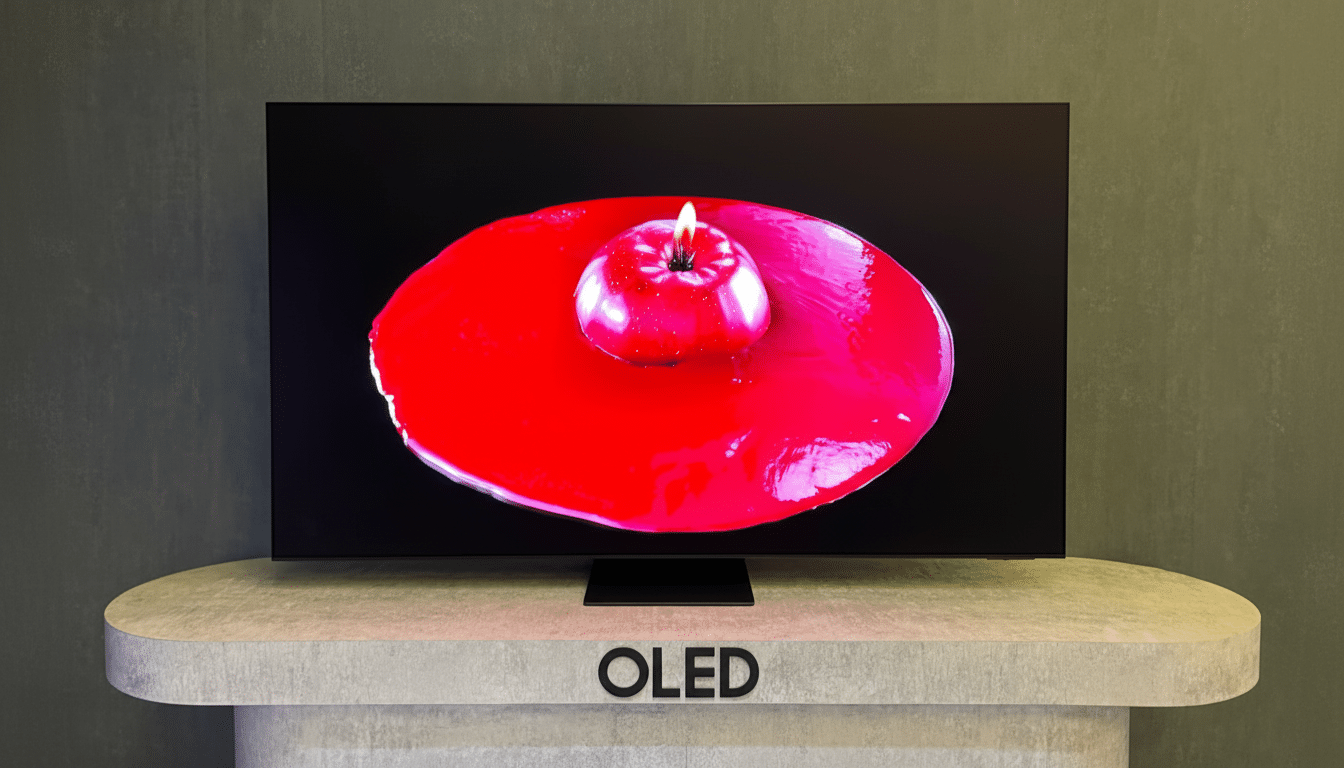
If true, this leak suggests a potentially larger, more stratified lineup that stretches even further in the direction of performance‑busting while widening The Frame’s design‑centric niche and making it an even more wall‑dominating proposition.
What the model leak reveals about Samsung’s new OLED TVs
The parts portal specifically points to a few “H” suffix models: S82H, S83H, S85H, S90H, and the S95H — hinting at an entirely new addition with another leading model number. FlatpanelsHD adds that the “H” designation is consistent with Samsung’s next upcoming model‑year cycle, distinguishing between yearly revisions. Multiple usual screen sizes — 55 to 83 inches for OLED, and a 98‑inch The Frame — imply not engineering placeholders but an expansive retail rollout.
The S99H is the eye‑catcher. Its numbering suggests a step above the S95H, Samsung’s current top‑end 4K OLED line. In recent cycles, we’ve seen that Samsung has moved premium features — better heat management, more advanced anti‑reflective coatings, and faster processors — into its flagship tier. A “99” badge means there’s room to add something truly new, be that a brighter QD‑OLED panel, wider gaming bandwidth, or a next‑gen picture pipeline.
Reading the model codes and Samsung’s naming logic
Samsung’s OLED naming has followed smooth, year‑over‑year betterments since the original QD‑OLED S95B. Subsequent generations brought a wider range of sizes, four HDMI 2.1 ports on the high‑end models, and anti‑glare “glare‑free” treatments that cut reflections without washing out blacks. That cadence — an “H” revision for four cycles and another three revisions when the model is all new — presumably continues rather than instituting a rulebook rewrite.
Anticipate incremental updates to the panel and processing: marginally brighter sustained brightness, snappier ABL management to keep highlights consistent, and smarter tone‑mapping for HDR gaming and streaming. “At DSCC, we have been following steady efficiency improvements in QD‑OLED emitters, while Omdia has reported having seen OLED makers squeezing more luminance out of existing fab capacity without reducing color volume.” Those patterns are exactly what one would expect for a super‑premium S99H on top of an S95H.
Premium play and a cheaper entry for Samsung’s OLED range
The database also references S82H and S83H variants. That’s relevant because Samsung has had OLED knocking at mainstream prices the last couple of cycles, with 55‑ and 65‑inch models routinely slipping to well under $1,000 during sales. New “8xH” sets might finally formalize a lower‑entry tier while keeping high‑refresh gaming, VRR, and low input lag — areas in which Samsung TVs have tested well. New models have brought sub‑10ms latency and 120–144Hz support, now table stakes for high‑end gaming TVs.
At the other end of the scale, there’s the S99H, which would provide Samsung with a flagship OLED line to slide up against its rivals’ flagships. LG’s latest crop of MLA‑equipped OLEDs and Sony’s QD‑OLED sets have put peak brightness on small highlights well down the path to 2,000 nits, with ever more aggressive ABL tuning to help keep specular detail in check. Samsung’s own top‑line “99” could fire back with greater brightness, enhanced color volume, and a more across‑the‑board anti‑reflection treatment — all things QD‑OLED is typically strong at.
A 98‑Inch Frame Aims Big‑Screen Boom at LG and Sony
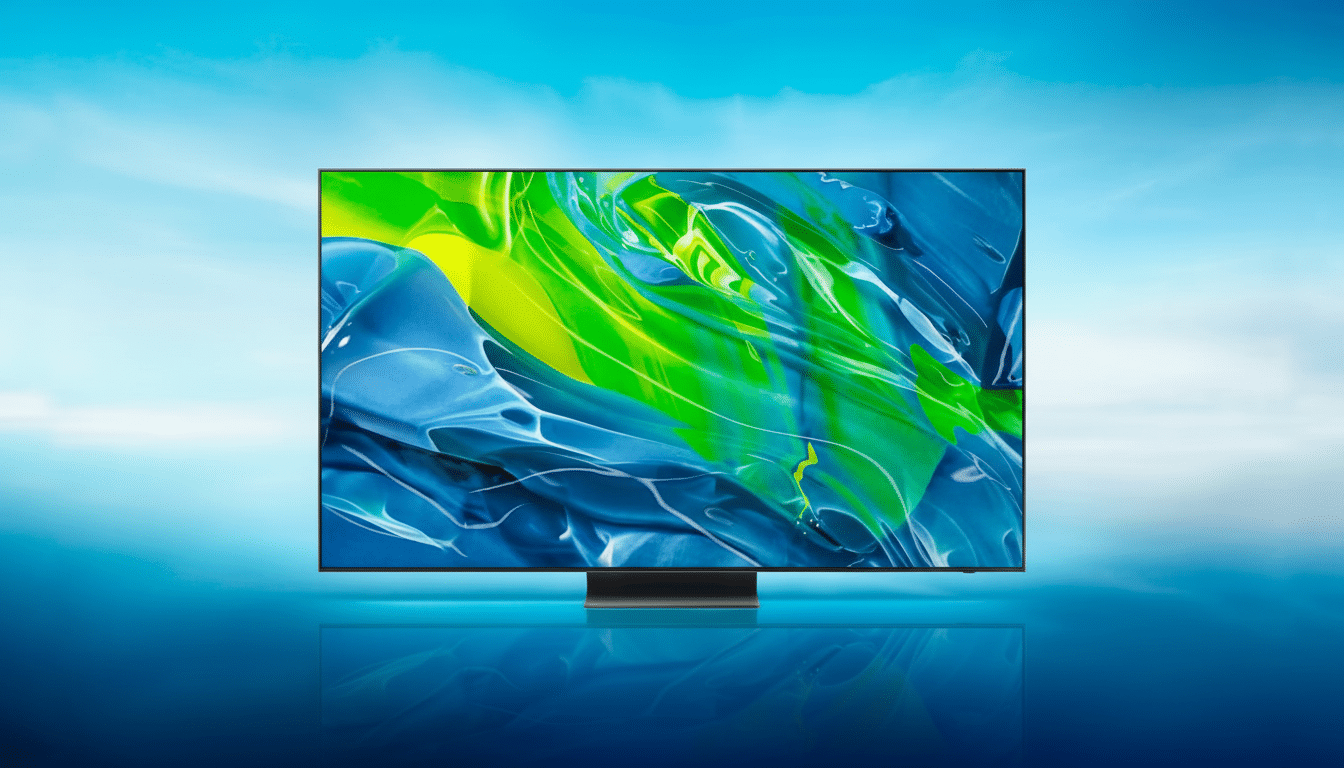
That 98‑inch size The Frame is said to be getting is all the more appropriate. Omdia and other trackers have also noted the 85‑inch‑plus market segment as a particularly fast‑growing one, with shipments of 98‑inch TVs roughly doubling year over year as panel costs continue to drop and living rooms grow. The Frame isn’t OLED — it’s a member of Samsung’s QLED lineup, boasting a matte finish and art mode — but the expansion further cements the brand as one looking to own both high‑performance OLED and decor‑first displays at cinematic sizes.
At 98 inches, installation and delivery logistics become part of the tale. The attention‑grabbing prowess will almost certainly be focused on ultra‑slim‑fit wall mounting, ambient art galleries, and eco‑conscious standby for always‑on art modes — features which played a big part in making The Frame its own category at smaller sizes.
What this leak could mean for the wider OLED TV market
OLED TV shipments remain in the low‑ to mid‑single‑digit millions per year, Omdia said, skewed toward larger diagonals and higher ASPs.
Samsung’s QD‑OLED entries have eaten into incumbents, mixing punchy color volume with gaming‑first specs and marketing blitzes that grow the addressable base. A diversified range — cheaper “8xH” sets as well as a flagship “99” — would bring that strategy into even sharper focus.
The competitive backdrop is intense. LG Display is moving from MLA to heat‑spreader designs on WOLED, and Sony continues using Samsung Display’s QD‑OLED panels with its own processing. If the S99H lands with a strong light‑ or reflection‑management edge over its TV rivals, then it could shake up the pecking order where premium 4K OLEDs are concerned.
What to watch at CES when Samsung unveils its TV lineup
Parts databases are signals of strength, not formal announcements. Model names, sizes, and even panel assignments can shift before launch. Watch for affirmation on the panel tech (QD‑OLED generations), peak brightness claims, processor naming, HDMI port counts, 144Hz support, and any new HDR tone‑mapping modes. Pricing is the tell: If Samsung comes out with aggressive MSRPs and gets to four HDMI 2.1 ports across more tiers, it would put pressure on rivals immediately.
For now, the leak forms a picture that’s clear: that of an even broader‑ranging roster of Samsung TVs that — while also sticking to its guns on high‑end OLED — doubles up on the design‑led Frame in more ways than one.