


New renders appearing on Chinese social media today provide the clearest head-to-head view we’ve seen of Samsung’s rumored Wide Fold and Apple’s long-awaited iPhone Fold, suggesting that both are moving toward wider, tablet-first inner displays. Based on leaked dimensions rather than final hardware, the images show a strikingly close race for overall size, shape, and utility (even the round corners are beholden to one another).
What the renders reveal about size, shape, and displays
The illustrations, outed by the prolific tipster Ice Universe on Weibo, show internal screens that have just about the same footprint and a clear step to a 4:3 aspect ratio.
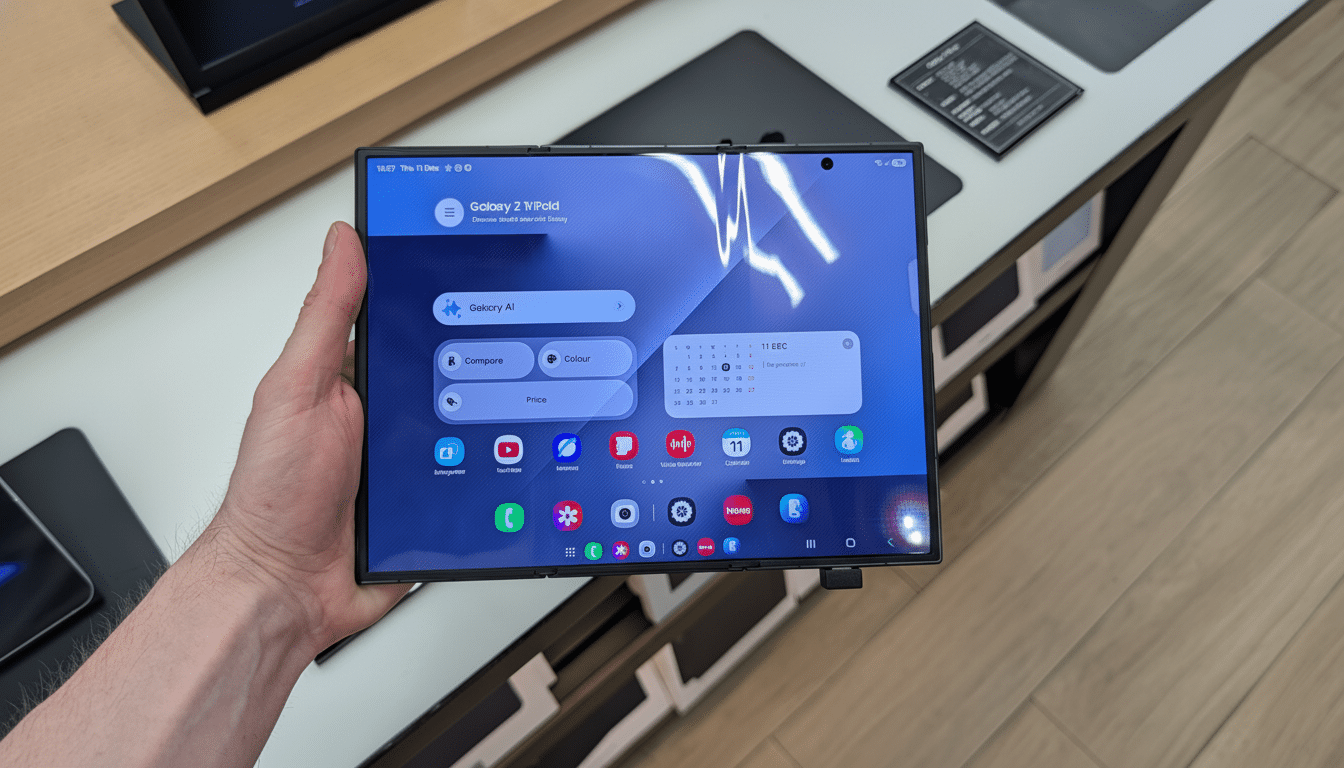
The Samsung model is said to combine a 5.4-inch cover panel with a 7.6-inch inner display, and the Apple version is reportedly equipped with a 5.35-inch cover and a 7.58-inch foldable screen. On paper, it is a statistical dead heat, the software equivalent of side-by-side shots of these devices from X-ray machines; the chief visible difference would have to be corner radii — Samsung’s corners seem squarer, Apple’s round-ish.
That could make a difference in hand. Sharper corners can give a folded device a more even appearance and more of a book feel, while rounder ones tend to be less jarring against the palm when using it in one hand. Both have virtue as ideas for pocketability and hinge protection, and both look a little more “tablet-forward” than the extended cover-first shapes that encompassed early foldables.
Why a 4:3 inner aspect ratio could reshape foldables
Making the inner canvas 4:3 changes how a foldable acts. That translates to more natural layouts for reading, productivity, and split-screen multitasking with less pillarboxing than taller inner screens. Spreadsheet cells, magazine pages, web articles, and retro game emulators may all breathe more easily on an interior that is wider, while keyboards spread out without squeezing thumbs.
Software will be the swing factor. On the Android front, Samsung has been shaping multitasking with a persistent taskbar, support for resizable windows, and app continuity since Android 12L; as for Apple, a foldable iPhone would have to follow iPadOS cues (companion apps being adjacent, split view variants, and responsive UI components) as long as developers adopt size classes that span both the iPhone and iPad. If both companies go through with it, the 4:3 transition could be the thing that makes foldables seem less like a quirk or an experiment and instead more like pocketable tablets that can also make phone calls.
Crease, hinge, and durability expectations for both phones
There’s a battle over the crease story. FrontPageTech has alleged that Apple’s internal display might have no crease visible in everyday use, although leaker Max Jambor disputes this by saying a crease would be present but less pronounced than on devices we currently have. The answer probably comes down — literally — to waterdrop-style mechanisms, ultra-thin glass stacks, and panel layering that would relieve stress on the fold.
Durability will be scrutinized. The most recent Samsung foldables have been rated to be cycled about 200,000 times in lab conditions, and the company has also worked on improving dust resistance and impact absorption of its hinges. Apple has a generally conservative approach to design margins, so there could be even more headroom when Apple decides it is comfortable relaxing those reliability requirements to accommodate its perfect smartphone. Weight balance and thickness will be key too, especially if neither brand can accommodate stylus input without ruining the hinge.
Launch window and hardware expectations for 2026 foldables
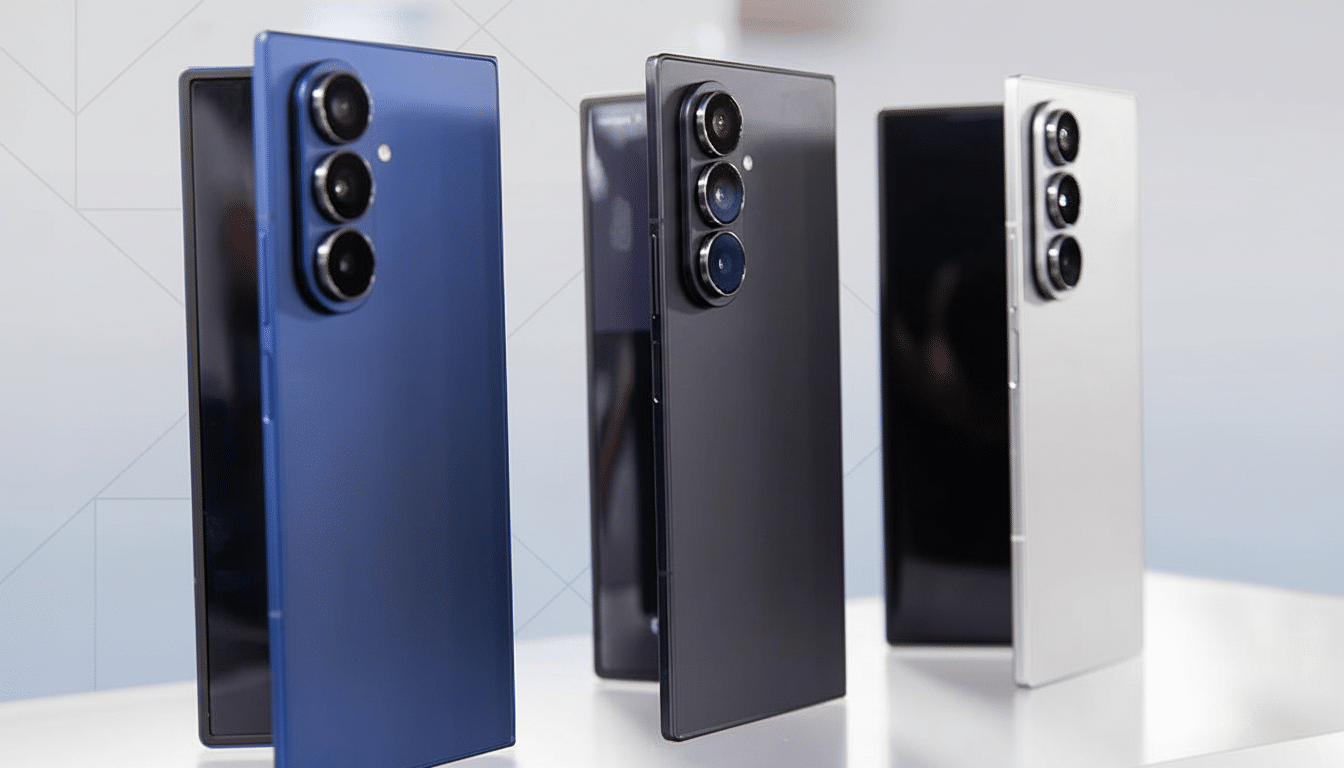
Multiple leakers are now also suggesting a comparable launch window, with both the Samsung Wide Fold and Apple’s foldable iPhone pointed at a fall 2026 reveal.
That would establish a rare first-generation face-off between the two companies — and leave Samsung with the unusual decision to redefine its Fold identity around width after years of advocating for taller cover displays.
Panel sourcing is up in the air, but the gossip mill says that Samsung Display and LG Display are likely in the driver’s seat for Apple’s foldable screens, with Samsung using its own display arm yet again. Cameras and chipsets are a little (a lot) harder to call at this stage, but a “tablet-first” inner layout leans the eye more toward hearty video editing and productivity chops. No word on pricing; today’s popular foldables, for context, run the gamut from about $999 to $1,799, while a top-drawer build from either brand could test the high-water mark.
Market stakes and what success could mean for foldables
DSCC and Counterpoint Research analysts have been predicting a gradual growth of foldable shipments over the last several years, with global volume projected to surpass 20 million units as the product category matures. Nonetheless, foldables make up only about 1 to 2% of the smartphone market, according to IDC, illustrating how much room there is for growth once usability improves and prices stabilize.
Real-world examples make clear what’s at stake: the cover of the first Pixel Fold wins points for one-handed typing and comfortable reading but loses them for heft and thickness. Cleaner hinges, lighter materials, and better large-screen software could allow Samsung and Apple to keep the plus sides while paring back the minus signs. An Apple entry would also force developers to optimize, which could eventually lift the whole ecosystem.
These renders aren’t finished products, but they hint at an emerging story: In the next big stage of foldables, shape and software count as much as specs. Should these leaked dimensions hold, the throwdown between Samsung’s sharper geometry and Apple’s more languid curves will come down to comfort in hand, crease control, and a judgment call as to whether 4:3 really feels like (or is) a tablet that you can just about pocket.