


A large-scale opinion poll among Android users reveals there’s an obvious safety valve attached to Galaxy leavers: if they had to leave Samsung, most would pick up a Google Pixel in the future. Coolpad was next most preferred after OnePlus, followed by other brands. Perhaps most tellingly, OnePlus was the lone competitor to get more “would switch” votes than it got “I’ll never stop giving Samsung all my money ever” votes—a breakdown from which we can infer a lot about how loyalty and curiosity tangle in Android shoppers’ brains.
Why Google’s Pixel pulls ahead for many Galaxy users
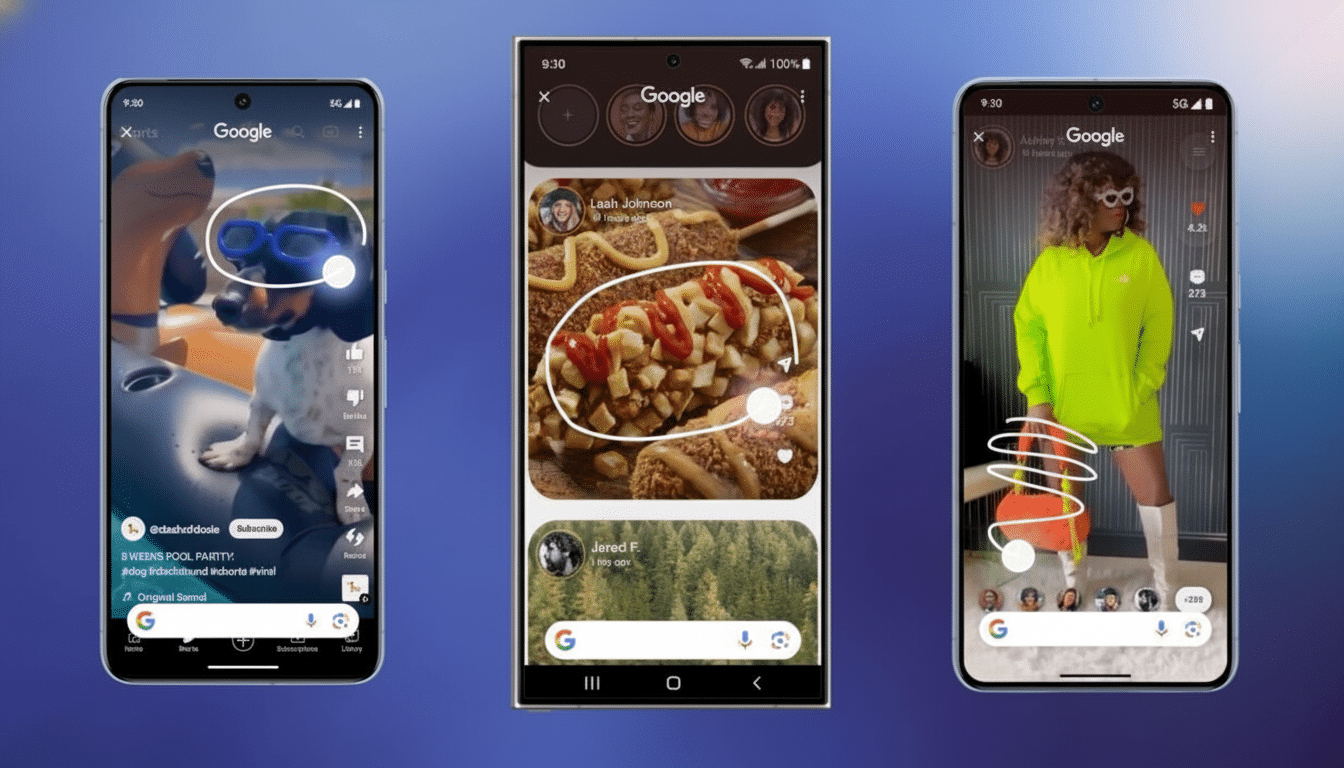
The Pixel’s appeal for Galaxy owners isn’t a mystery. Google’s phones (approximately $799 for the base model of each) come with a clean version of Android, timely updates, and category-leading computational photography. Recent models have also seen Google work with Samsung on tentpole features (like Circle to Search) that often debut first, or in even better form, on both rather than singular—to prevent jarring for those moving across from Galaxy devices.

One of the other biggest hooks is long-term support. Google now promises up to seven years of Android OS and security updates for its newest Pixels — on par with Samsung’s commitment regarding its current flagships. That longevity is significant for anyone who keeps a phone for more than a year, or worries about the resale value when it comes time to upgrade. Analysts at IDC and Counterpoint Research, both industry trackers, have also reported consistent Pixel growth in North America and hand-picked international markets, showing that Google’s phones are no longer experimental niche products but mainstream alternatives.
For camera-first customers, that means sharper focus and exposure in more extreme lighting situations; for power users, there’s on-device AI with capabilities like Call Screen, improved voice typing, and photo editing tools that eliminate the need to use third-party apps. For existing Galaxy owners who’ve already gone all-in on Google services, the ecosystem shift is modest.
Performance vote goes to OnePlus among switch options
OnePlus offering another option in the exchange only serves to match what the brand has long been selling: top-tier performance with fast charging and clean software. OxygenOS is still one of the lighter Android skins out there, and recent OnePlus flagships generally get four years of Android version updates and five years of security patches. That’s not quite as long as the likes of Google or Samsung, but it’s competitive — and often paired with aggressive pricing.
It still feels like the enthusiast’s stronghold to me, and for ex-“spec chasers” who remember when 90Hz and 120Hz screens first appeared on OnePlus devices back in the day — glory days! Factor in fast charging that is often faster than the U.S. carrier-sold version, and the brand has achieved a compelling case for Galaxy owners who value speed over extras.
Where Motorola, Sony, and Nothing fit for Galaxy leavers
Motorola is no longer dominating the high-end conversation, but it manages to show up through solid midrange value and a growing interest in foldables with its revived Razr line. For Galaxy owners intrigued by a svelte, snazzy clamshell that costs less than premium foldables, Motorola can be tempting — though its track record with update commitments historically trails the pack.
Sony’s Xperia phones cater to a niche but vocal audience: artists that crave fine-tuned camera controls, high-quality displays, and more workhorse designs. Though Sony’s cause on the software-support front has improved, it still lags behind Google and Samsung, both promising to issue seven years of updates — something committed buyers may feel left out by.
Nothing, led by former OnePlus co-founder Carl Pei, has injected some welcome personality back into Android with clear designs and Glyph lighting. Its software is clean and swift, and its midrange devices have developed a cult following in Europe and Asia. It’s a stylish option for Galaxy phone owners who want something new without sacrificing some core essentials (carrier availability and longevity of updates will vary by market).
Loyalty meets practicality: support and ecosystem
Survey comments often distilled down to two questions:
- How long will my phone be supported?
- How seamless is the ecosystem handoff?
On the first of these, Google and Samsung have now raised the bar at the top end: they will guarantee seven years of updates for their new flagship models. OnePlus, Sony, Motorola, and Nothing typically promise markedly shorter timelines to support new releases, with policies that vary by model and have been getting longer.
On ecosystem, Samsung continues to benefit from tight Galaxy Watch and Buds integration, SmartThings, and a deep catalog of hardware that stretches across foldables and premium slabs to budget devices. It is this range that’s a major reason why many Galaxy owners will not be changing. Still, Google’s widening Pixel lineup — phones, watches, buds, and deep connections to Workspace and Home — makes it less friction-filled for those pondering a switch.
What the poll indicates about Android buyers
Smartphone brand loyalty is famously sticky — ACSI satisfaction scores always have Samsung toward the top in the U.S., and switching rates across the industry as a whole are low.
Even so, this poll suggests that when Galaxy owners daydream about jumping ship, they are drawn to brands that feel solid, well-supported, and familiar.
For Google, it offers evidence that the bet it made on long support windows and meaningful software features is not just delivering business success for Pixel but is also helping satiate its fretful fans. For OnePlus, it’s evidence that performance, value, and a light touch on Android can still resonate. And for everyone else, the takeaway is simple: build trust with updates, availability, and a truly special user experience, and even die-hard Samsung customers will give you a second look.