


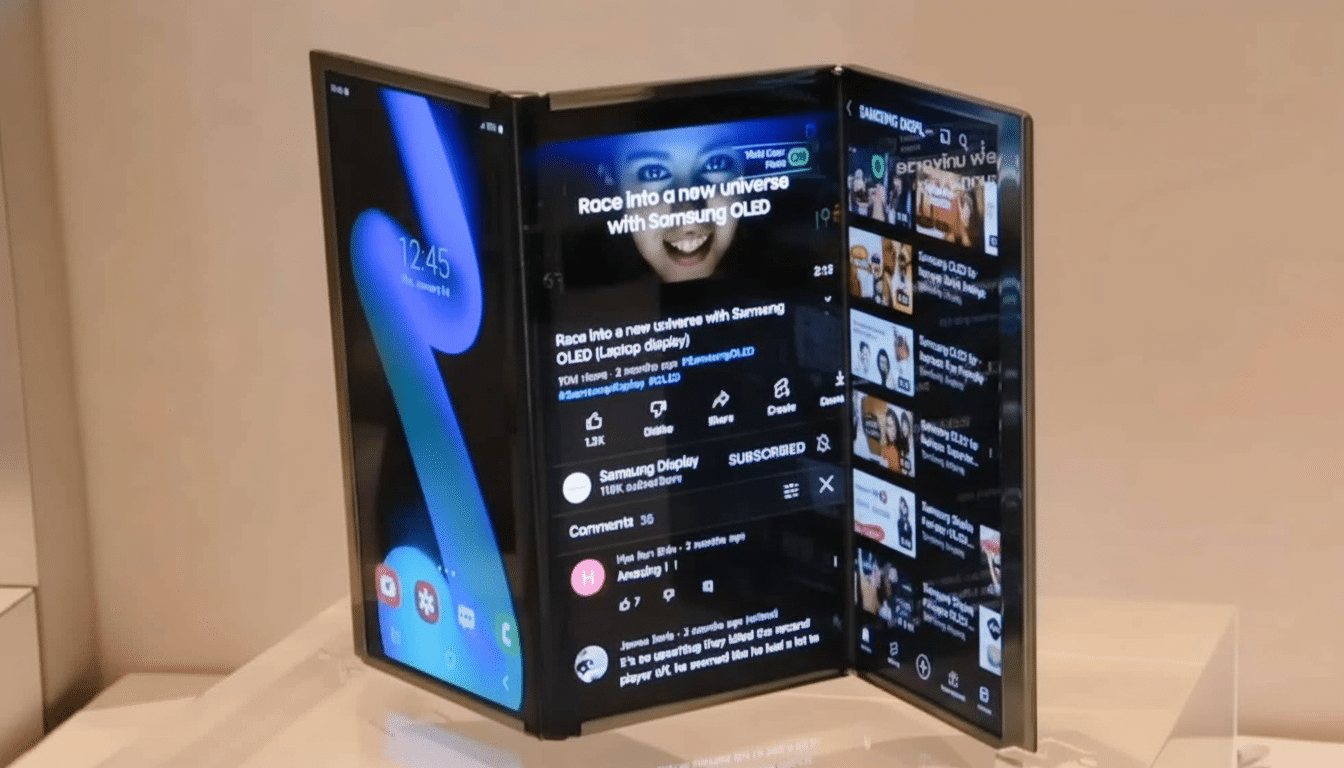
Samsung’s oft-rumored trifold foldable could be set to step into the public arena at the Asia-Pacific Economic Cooperation summit, with multiple South Korean outlets reporting that Samsung plans a global debut at the international gathering. The Korea Times and ETNews, which have spoken to industry sources, say its debut is on the horizon and will be a shop window for Korean engineering talent pitched firmly at an international audience.
Early signs suggest a limited commercial release: reports have suggested that it’ll initially be produced in quantities of about 50,000 units and sell at a steep premium, with pricing that could reach close to $3,000.
It has not yet been determined whether the United States will have access to the market. Samsung had no comment on the schedule, The Korea Times reported.
Why APEC Is the Preferred Launchpad for the Debut
At the same time, APEC’s forum attracts heads of state, policy leaders, and global business decision-makers—an unusual mix of visibility and influence that few tech events can boast. An expo presence at the summit gives Samsung an opportunity to shape a narrative of national and corporate leadership in next-generation devices, while courting government and enterprise relationships that could nurture use cases beyond consumer tech.
The space is also a perfect fit for a halo, limited-run product. Instead of chasing mass-market scale on day one, the company can test supply chains, developer interest, and position it as a category-expanding device that has strategic importance.
How a Trifold Design Alters the Hardware Experience
Where today’s single-hinge foldables have only one hinge, a trifold introduces two and a display that bends in multiple locations—an engineering leap that multiplies the challenges around durability, weight, and thickness. Samsung Display has already shown off a couple of concepts like “Flex S” and “Flex G,” which investigate various folding directions for protecting fragile screens and compact design. That will mean a strengthened ultra-thin glass stack and better layer adhesion as well as hinge designs engineered to spread force so that creases become less visible over time.
The trifold’s promise is as follows: a phone that unfolds into a tablet-like surface big enough for work, creativity, and media consumption but then folds up again to fit in your pocket. That’s because it requires some smart battery segmentation, clever camera placement that doesn’t add bulk, and materials that maintain rigidity without adding heft. Of course, pen input is a valid expectation based on Samsung’s past efforts, though that will depend on how robust the cover layer proves to be and whether (or how) digitizer integration can be achieved across an entire folding area.
Software and multitasking expectations for trifolds
And only if the software keeps up, anyway. As it happens, Samsung’s One UI already supports pretty advanced multitasking with features like a taskbar, app pairs, and drag-and-drop—all of which would be incredibly useful on the larger aspect of a trifold. Picture three-pane layouts for mail, documents, or chat all open side by side at once, or creatively immersive workflows that combine a stylus canvas with reference panels and tool palettes.
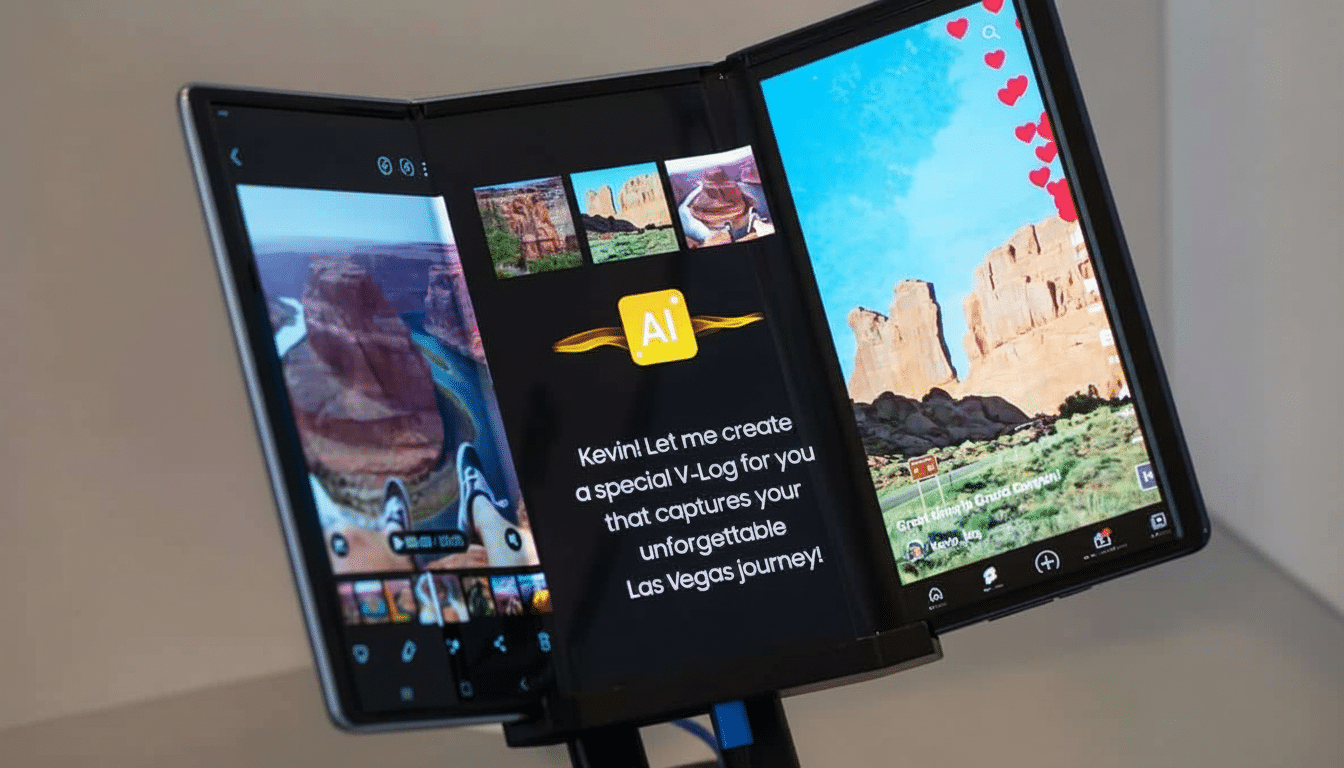
Android’s guidelines for large-screen and foldable APIs will be important. Google has been promoting adaptive layouts and continuity features that allow apps to reflow as devices open and close; the trifold will serve as a stress test of those principles. Count on Samsung to sprinkle developer resources liberally, so developers can take full advantage of that extra real estate from the get-go.
Supply chain, volume, and pricing realities
A production run of about 50,000 units screams a tight hold on yields and die costs. Foldable OLED panels can be larger and protectively stacked thicker, while dual hinges bring more moving parts and tighter tolerances—all of which increases bill-of-materials pressure. Rumored pricing of about $3,000 would be in line with a halo strategy that appeals to enthusiasts and pros who want bleeding-edge form factors.
Geographic availability appears staged. South Korea will probably be its first retail market other than China, with additional expansion depending on carrier certifications and partner readiness, as well as how quickly production can ramp up to scale without sacrificing quality. The U.S. is still under consideration, according to an article from ETNews.
Market context and what buyers and developers should do next
Foldables have evolved from a novelty into a substantial premium category. Both Counterpoint Research and IDC chart annual global shipments in the mid-teens millions, with steady double-digit growth forecast as prices come down and durability gets better. Samsung is also the foldable leader globally, though not in all markets—hello, Huawei and Honor! Trifold designs have emerged from various display makers in the last few years, but a big-time debut could reset expectations for what a phone can do.
For buyers and developers, the to-do list is straightforward:
- Hinge durability
- Crease tightness
- Weight balance
- Battery performance
- App implementation across all folding states
Get those basics right, and Samsung could shake up the way we do productivity on the go and usher in a second wave of large-screen experiences. Look for the summit showcase to establish the tone, then a targeted launch, limited quantities, and a high price to announce both ambition and caution.