


Samsung is priming the spotlight for the Galaxy S26 with a teaser for a new AI-driven camera experience that promises to rethink how photos and videos are captured, edited, and shared. Built on Galaxy AI, the system is pitched as a single, intuitive workflow that blurs the line between shooting and post-production, aiming to turn time-intensive edits into near-instant results.
In previews, Samsung highlights capabilities like restoring missing parts of objects, seamlessly merging multiple shots into a single composite, and converting a bright daytime image into a believable night scene. The message is clear: computational photography is moving from subtle optimization to bold, creative transformation—and the S26 is set to be the launchpad.
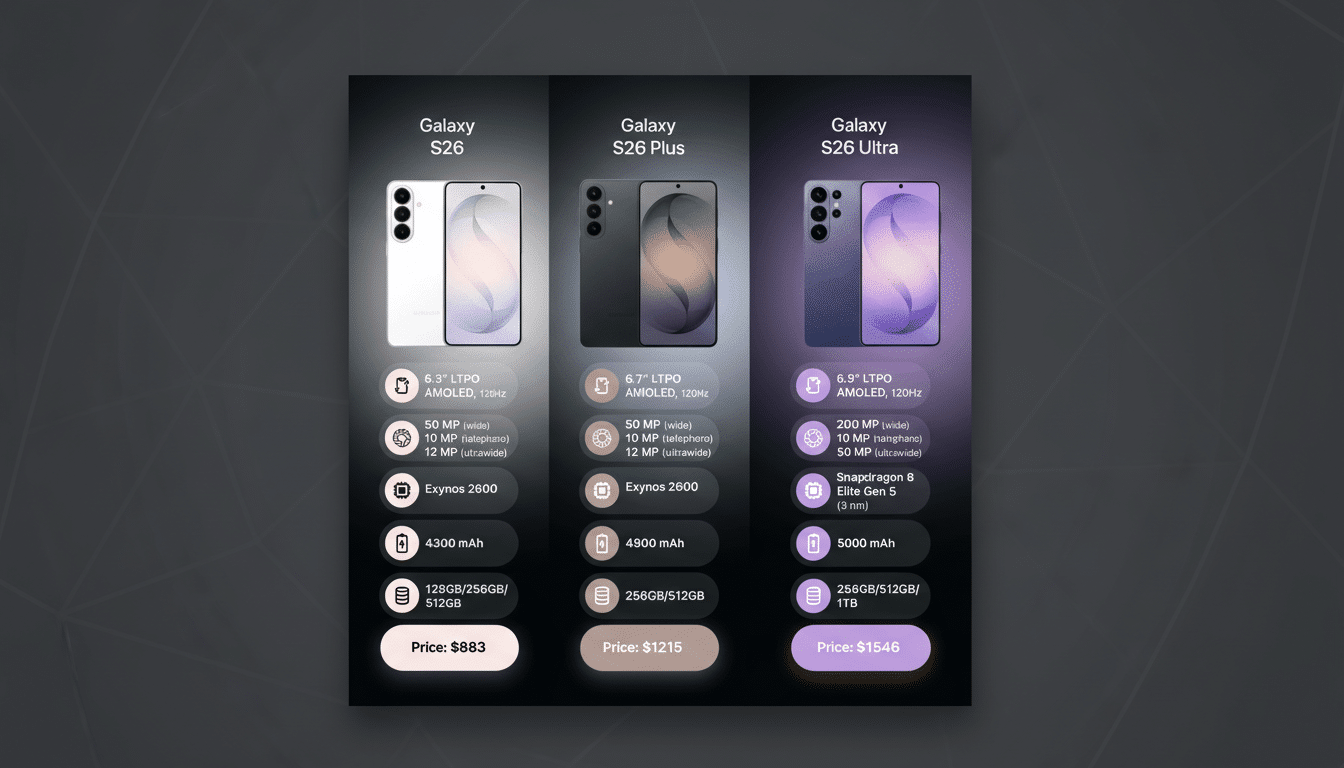
What Samsung Is Promising for Galaxy S26 Camera AI
Samsung describes the experience as a unifying layer for photo and video that reduces the friction between capture, edit, and share. The restoration demo—recreating a bitten cupcake as if untouched—signals advanced inpainting, while instant day-to-night conversion hints at scene relighting with context-aware reflections, shadows, and sky replacement. The multi-image merge suggests automated compositing, such as blending the best faces from a burst or combining exposures for richer detail.
These tools expand on the brand’s recent AI features by elevating edits from corrective to generative. For users, the pitch is productivity and polish: results that once took layered masks and meticulous brushes in pro software could become one-tap outcomes directly in the default camera and gallery apps.
How It Might Work Under the Hood on Galaxy S26
Although Samsung is saving the full technical brief for its next showcase, the teaser aligns with techniques common to modern generative imaging. Object restoration typically relies on diffusion-based inpainting trained to infer textures and geometry beyond the visible crop. Day-to-night shifts lean on relighting models that rebalance luminance, recolor skies, and simulate low-light noise patterns while preserving subject integrity. Multi-shot merges use feature alignment and segmentation to stitch the sharpest or most expressive elements into a coherent frame.
Expect a hybrid approach where simpler edits run on-device for speed and privacy, and heavier lifts are offloaded to the cloud with user consent—consistent with how Galaxy AI has operated to date. That strategy taps into the growing headroom of neural processing units in current flagship chipsets while keeping latency low for quick edits.
Why This Matters in a Crowded Camera Race
The industry has already embraced generative tools—Google’s Magic Editor on recent Pixel phones and Adobe’s Generative Fill in Photoshop are high-profile examples. Samsung’s angle is integration: put pro-grade, context-aware edits in the default camera pipeline so more people actually use them. Analysts from firms like IDC and Counterpoint Research have noted that camera innovation remains one of the strongest drivers of premium phone upgrades; tying bold AI features to core capture flows could amplify that effect.
There’s also a trust dimension. As AI manipulation becomes easier, clear labeling and metadata are increasingly important. Content authenticity initiatives such as C2PA-backed provenance tagging have gained traction across the industry. It will be worth watching whether Samsung applies visible watermarks or embeds standardized metadata to flag AI-assisted edits—crucial for newsrooms, educators, and creators who need transparent workflows.
Key Questions Ahead of Unpacked for Galaxy S26
Key details to watch include:
- Which edits run fully on-device
- How the system handles edge cases like complex hair or reflective surfaces
- Whether video gains comparable powers—think frame-level inpainting for passersby removal or scene relighting without banding
- Battery impact and processing times
- The ability to roll back changes non-destructively
Samsung’s recent flagships have combined high-resolution sensors with aggressive computational pipelines to balance reach and realism. If the S26 camera experience maintains texture fidelity while delivering fast, convincing generative edits, it could reset expectations for what a default camera app can do—and nudge rivals to follow suit.
The Bottom Line on Samsung’s Galaxy S26 Camera AI
Samsung’s teaser signals a confident swing at the next era of mobile imaging: not just capturing moments, but reshaping them with AI-native tools that feel immediate and approachable. The promise is ambitious; the execution will be judged on authenticity, speed, and transparency. If Samsung gets the balance right, the Galaxy S26 could become the reference point for everyday generative photography on a phone.