


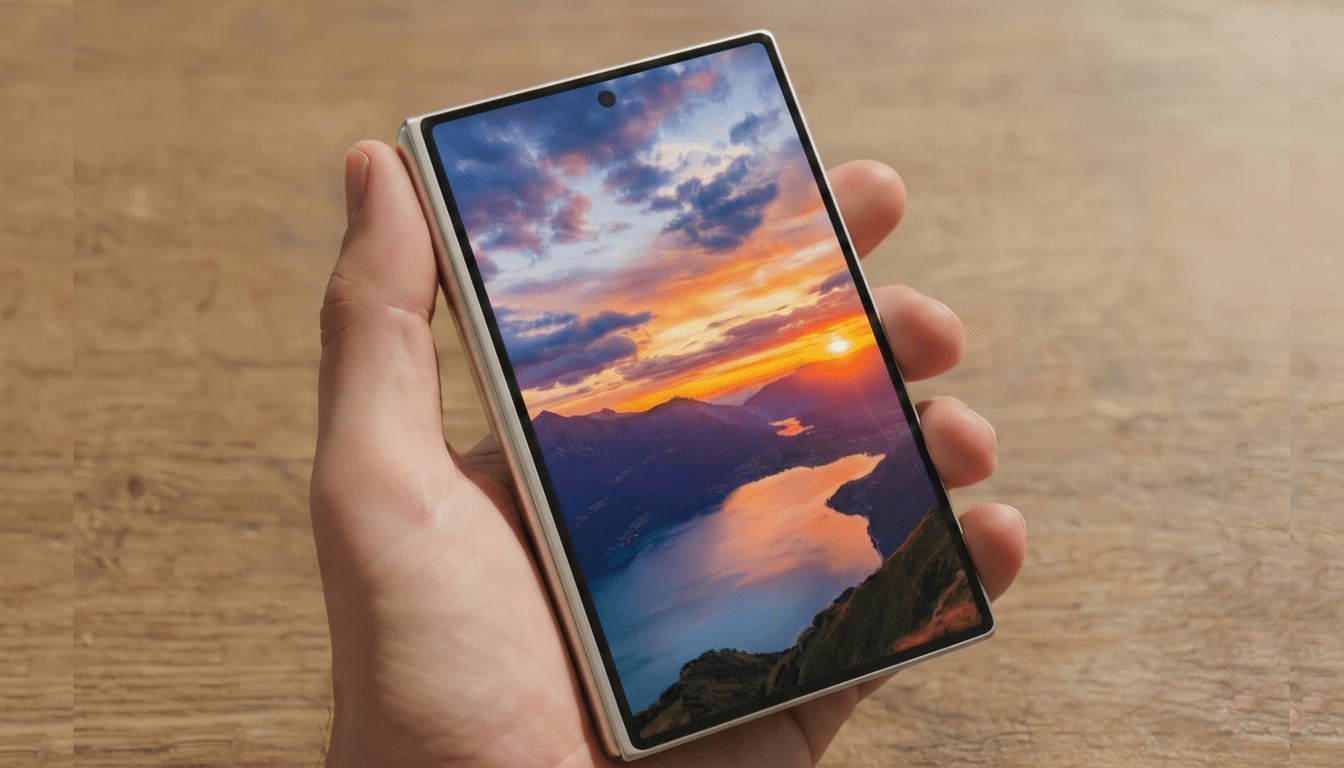
Samsung appears to be setting an aggressive production goal for its rumored Wide Fold, with plans to manufacture about one million units, according to reporting from ET News. That scale points to a mainstream launch rather than a boutique run, and signals high internal confidence in a wider 4:3 foldable design that could square up against a widely rumored iPhone Fold.
Production Target Signals a Broad Global Launch
ET News indicates the one‑million figure would be the largest initial build for any special‑run Samsung foldable. For context, the Galaxy Z Tri‑Fold reportedly shipped roughly 30,000 units and the Galaxy Z Fold 6 Special Edition around 500,000 units. A source cited by the outlet also suggested the number could rise if early demand outpaces expectations.
Those earlier devices were confined to a short list of markets. By contrast, a seven‑figure production plan implies a multi‑region rollout from the start, aligning with Samsung’s playbook when it sees a form factor ready for the mainstream.
Why a Wider Fold Design Changes the Experience
The Wide Fold is tipped to feature a 7.6‑inch inner display with a 4:3 aspect ratio and a 5.4‑inch outer screen. That geometry yields a broader canvas than the taller, near‑square panels on the mainline Galaxy Z Fold, which sits closer to 6:5. For video, 4:3 edges nearer to the common 16:9 frame, trimming letterboxing. You’ll still see black bars, but they should be less intrusive.
Beyond media, 4:3 favors productivity. Documents, spreadsheets, and side‑by‑side apps gain room to breathe, and tablet‑style layouts translate more naturally. OPPO’s Find N series and Google’s Pixel Fold have already shown how a stubbier internal display can improve reachability, reduce the “TV remote” feel of tall folds, and make the outer screen feel more like a normal phone.
If Samsung pairs the form factor with a lighter hinge, a shallower crease, and tougher ultra‑thin glass, it could address two leading adoption barriers flagged in consumer research: durability and ergonomics. Counterpoint Research has consistently noted that concerns about longevity and weight rank high among fence‑sitters evaluating foldables.
Competitive Context And Supply Chain Implications
The timing and design appear strategic. Multiple industry reports point to Apple preparing an iPhone Fold with an internal 4:3 panel. A Samsung Wide Fold launched at scale would meet that challenge head‑on and let the company frame the conversation before a high‑profile rival enters the segment.
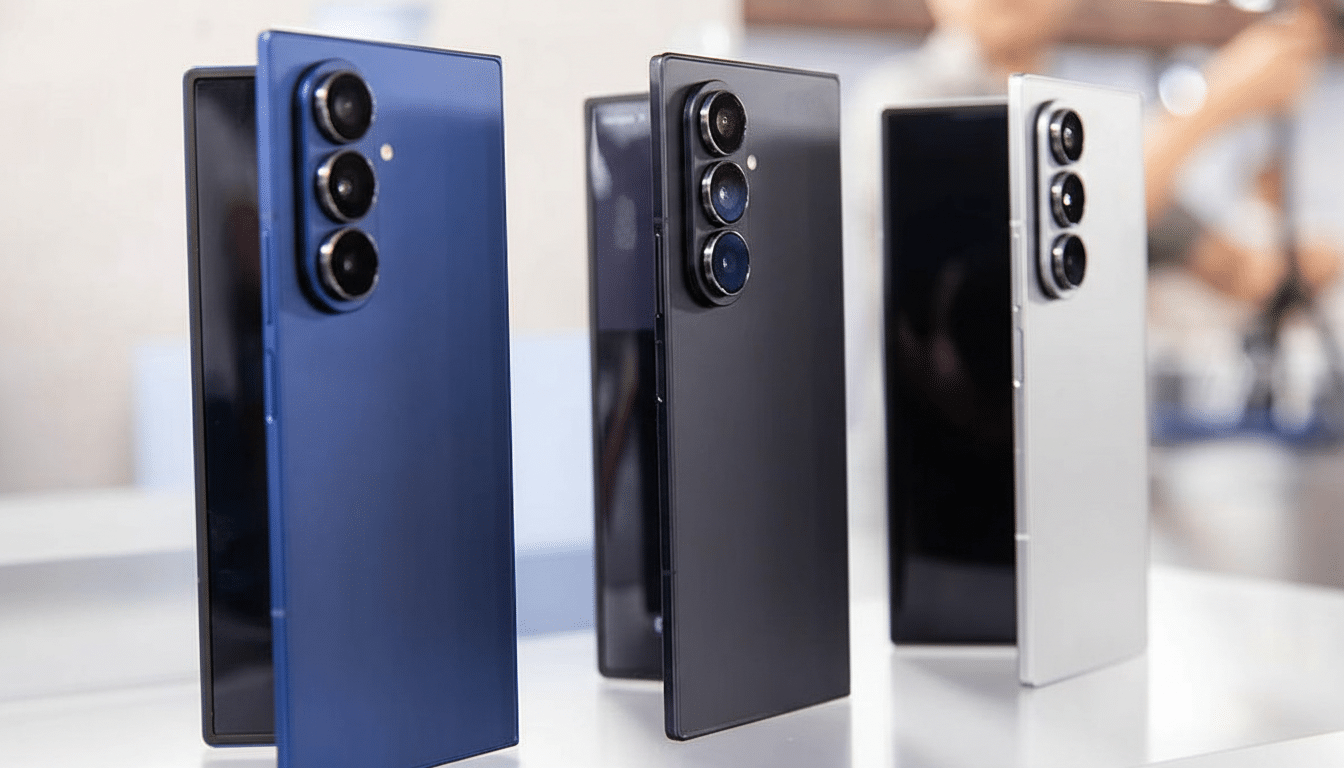
On the component side, Samsung Display maintains the largest share of foldable OLED shipments, according to DSCC. That vertical strength gives Samsung more control over panel yields and cost curves. Committing to a million‑unit run suggests improved yields on larger‑area panels, stronger hinge reliability from suppliers such as KH Vatec, and confidence that service networks can support foldable care at volume.
A million units would be a meaningful slice of the foldable market. Analysts at Counterpoint and IDC have projected global shipments in the high‑teens of millions, placing a single model’s target near a 5% share right out of the gate if demand holds.
What to Watch Next as Samsung Scales a Wider Fold
Software will make or break the wide canvas. Look for refinements in One UI, including a persistent taskbar, improved drag‑and‑drop between panes, better app continuity from cover to inner display, and more tablet‑class behaviors in top productivity and media apps.
Pricing and market coverage will be equally telling. Earlier special editions landed in a handful of countries; a million‑unit goal implies broader availability across North America, Europe, and key Asian markets. Clear messaging on durability—cycle ratings, dust resistance progress, and crease visibility—will further shape early adoption.
If these pieces line up, the Wide Fold could become Samsung’s most mainstream book‑style fold yet, redefining how a folding phone should look and feel while setting the pace for rivals preparing their own wide‑format entries.