


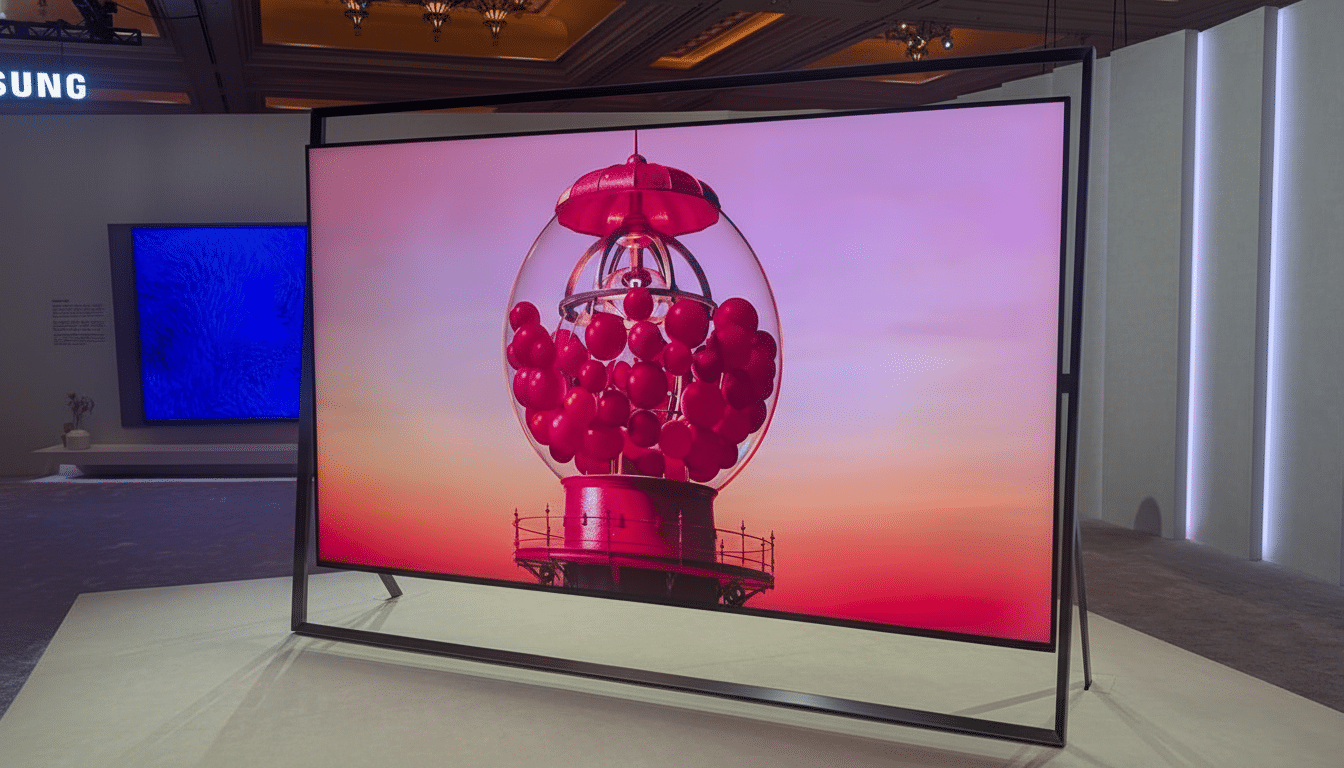
Samsung has pulled the covers off its 130-inch Micro RGB TV, officially known as model R95H—a jaw-dropping design-led statement sure to propel premium home cinema into new horizons.
The company claims 100% BT.2020 coverage, as well as a glare-eliminating surface and an assortment of AI-powered features—nestled in what it calls the gallery-style Timeless Frame blending display antenna technology and architecture.
Micro RGB Technology and Why It’s Important
The “micro”—or millions—in Micro RGB are the microscopic red, green and blue self-emissive diodes—just like microLEDs—that create color and light at a pixel level. Unlike LCD panels relying on a backlight, each pixel here switches itself on or off independently, giving it the ability to achieve deep levels of black and high contrast while supporting high peak brightness with no color filters. This is the method that allows Samsung to advertise full BT.2020 hue, a broadcast standard that will be embedded into UHD for next-generation, ultra-high-definition content.
The R95H features the Micro RGB AI Engine Pro from Samsung, in conjunction with Color Booster Pro and HDR Pro processing to enhance shadow detail and retain precise mid-tones even under mixed abundance of light. HDR10+ Advanced provides for scene-wise adjustment of HDR10+ content, a feature in line with the wider HDR ecosystem pushed by the UHD Alliance. Glare-free coating also solves the real-world problem of bright rooms, cutting reflections from sunshine and contrast-robbing untreated windows during big game action.
AI Picture Tuning and Spatial Sound Features Explained
Samsung is putting the focus on AI this year. The R95H’s Vision AI Companion is more than just voice commands, pledging on-screen advice, contextual responses and content-adaptive tweaking. AI Picture Tuning assesses ambient light in the room and type of content to automatically adjust color volume and sharpness on the fly, and motion algorithms aim to maintain clarity on fast-moving action without falling into artifacts typical of “soap-opera” filming.
Sports fans get dedicated tools. AI Soccer Mode Pro is designed to enhance the feeling of grass, ball and environmental energy. An AI Sound Controller Pro allows viewers to crank up commentary while toning down chants or background music, or flip that balance for a more stadium-like experience. Samsung’s most recent spatial system, Eclipsa Audio, embeds drivers in the frame as well so dialogue and effects feel like they are coming from one large screen rather than a separated soundbar.
For its part, on the software side the TV runs the latest Tizen OS, and Samsung promises seven years of feature and security updates. That promise reflects the direction flagship smartphones are headed, and it will be meaningful in a living room where high-end TVs tend to outlive set-top boxes and consoles.
Design for Living Spaces with a Gallery-Style Frame
The Timeless Frame is gallery-designed to make a 130-inch screen feel purposeful and not overpowering. The resultant visual is a pane that seems to float inside its frame—this double-walled space serves as the acoustic chamber for the full spatial audio array. Samsung has yet to reveal details around installation, but the industrial design looks much more living-room ready than some of the early modular microLED walls on show at previous CES events.
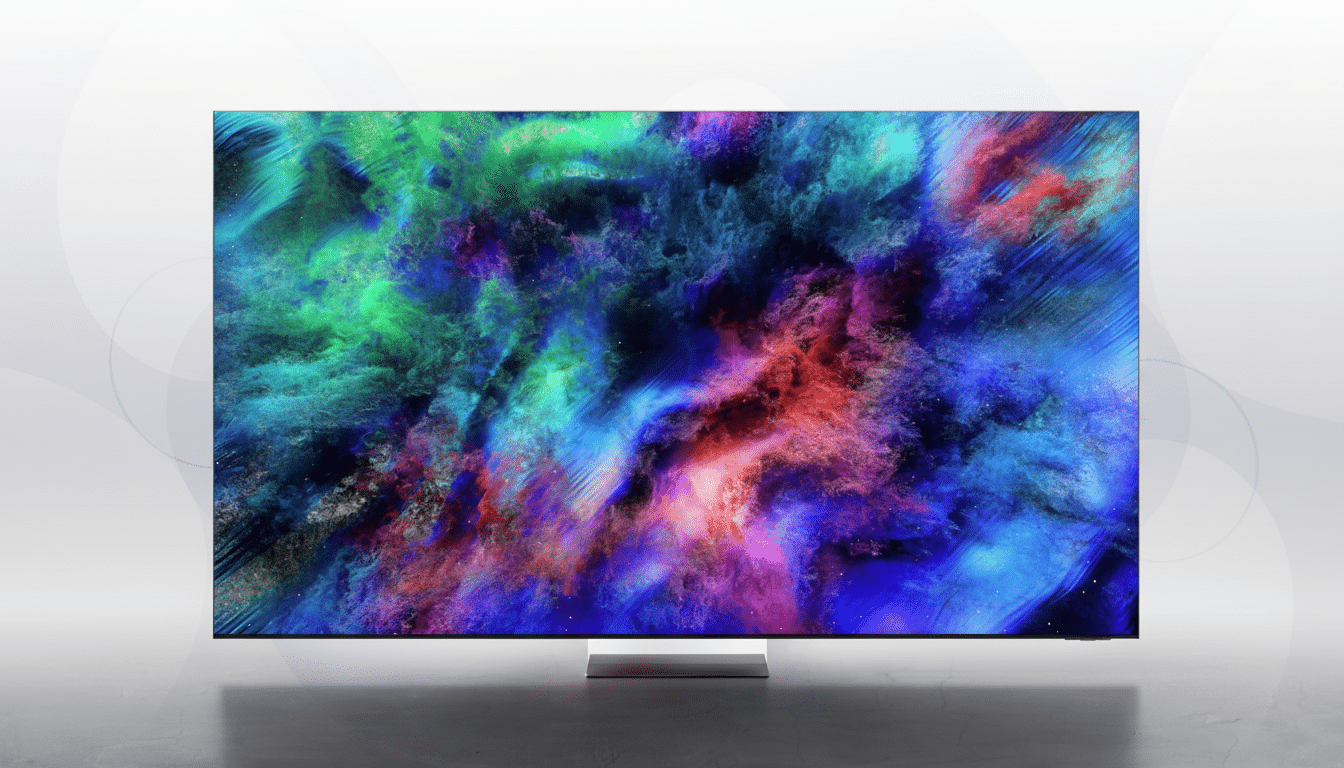
Traditionally, wall-scale displays that emit their own light required someone to install them professionally and were largely aimed at custom home theaters. In launching Micro RGB, Samsung is presenting it as an “architectural window” that can live side by side with art and furniture—more design object than gadget.
Where It Fits in Samsung’s TV Lineup and Product Range
The 130-inch Micro RGB TV is the star of a wider refresh that brings a skinnier OLED S95H and a Freestyle+ portable projector as well. But the R95H is the halo product, a flexing of technology designed to pull enthusiasts up toward the top of its lineup. Samsung hasn’t announced pricing or timing of availability, which isn’t abnormal at this tier.
Market Context and What to Watch in Premium TV Technology
Micron-scale emissive screens are still difficult to produce and expensive; yields are increasing, but they are not yet being produced in mass quantities. Analysts from firms including Display Supply Chain Consultants and Omdia have long described shipments of TV-like microLED-class products as being limited—usually in the hundreds to a few thousand per year—due to their production complexity and pricing. That rarity is part of the appeal: these sets are as tech-flagship as exotic supercars from the automotive realm.
Competition is heating up. Sony’s Crystal LED and LG’s Magnit series are both chasing similar customers while premium OLED and high-end Mini LED LCD have continued to whittle the performance gap at a fraction of the price. The R95H’s differentiators—100% BT.2020, glare-resistant display and integrated spatial audio—will be compared in side-by-side demos. To the extent that Samsung’s AI processing can maintain texture and not overprocess color, it could establish a new large-format home screen benchmark.
The million-dollar question is sustainability off the show floor: true brightness stability in the real world, uniformity across such a vast panel and long-term maintenance. Although manufacturers boast impressive lifespans for self-emissive diodes, independent testing from sites like Rtings and professional calibrators will be necessary to verify Samsung’s claims when review units make their way into the wild.
For now, the R95H heralds where ultra-premium TV is going: self-emissive color and aggressively AI-optimized processing, design that makes a display part of the architecture of the room. If Micro RGB can land on both sides—with both performance and ease of use—it could be an important waypoint on the path to making wall-scale emissive displays less a bespoke luxury and more a product you’d put in your living room.