


There is an arrival of new firmware for the Samsung Galaxy Ring that focuses on one of the wearable’s most criticized issues: erratic battery performance. The update, which comes in as version Q50XWWU2AYK3, is a minor 0.66 MB download and is currently being pushed to users regionally, apparently starting in India if posts on the Samsung Community and reports by SamMobile are any indication.
Though the company isn’t saying exactly what’s new, “battery stability” is a headline goal — which potentially means more accurate charge levels, fewer sudden drops, and generally more predictable performance day-to-day.
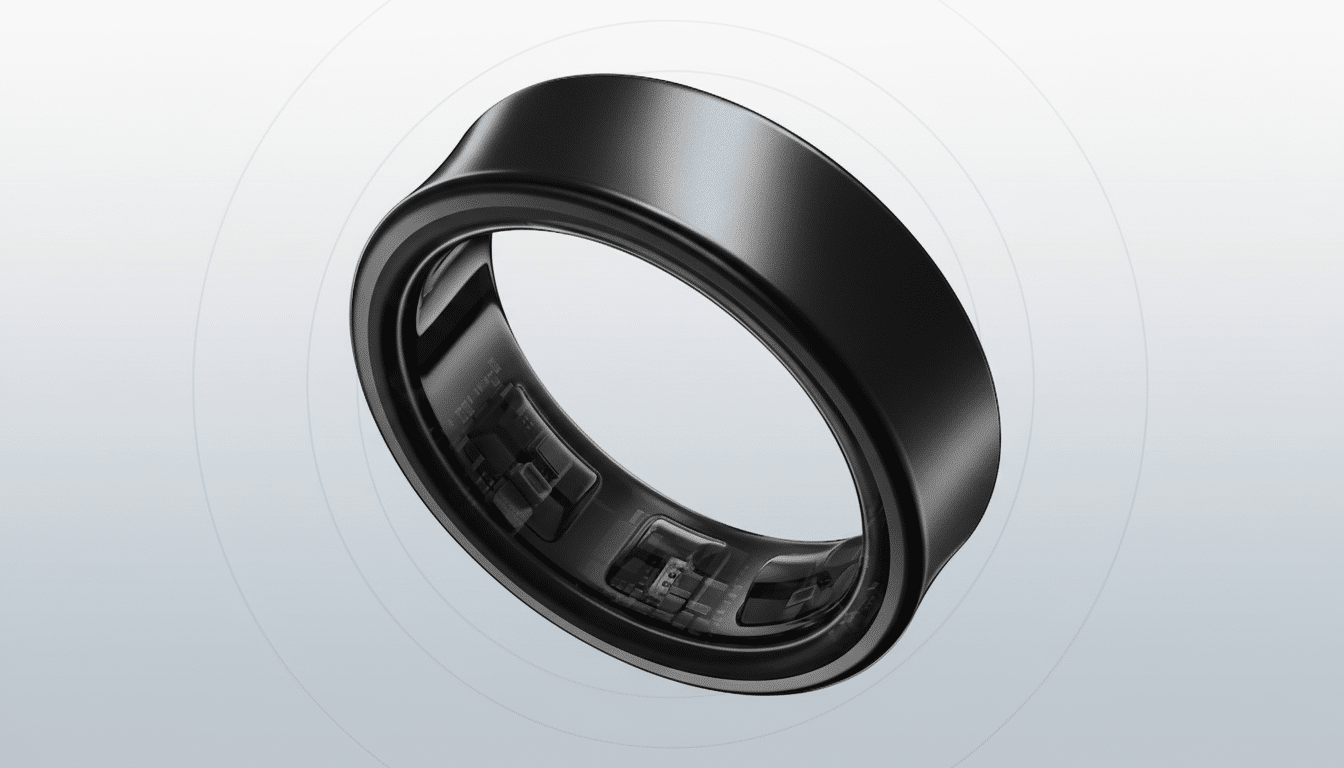
What Battery Stability Probably Means for Users
Stability in wearables often depends on how the device imprecisely estimates state of charge. These itty-bitty batteries, like the kind you find in smart rings, are really sensitive to temperature fluctuations, workload variance, and voltage-read weirdness. Firmware tweaks can make the smoothing of those estimates better, set thresholds differently, and recalibrate how the ring interprets discharge curves during sleep tracking or workouts.
Some users are experiencing 10% variations or sudden drops toward the end of the battery cycle, people have claimed. A stability patch’s goal, generally, is to minimize such surprises so the on-screen percentage better reflects real remaining runtime.
What It Means for Galaxy Ring Owners Today
Samsung advertises the Galaxy Ring as a low-maintenance mate that’s meant to keep chugging for up to seven days under ideal conditions. In independent testing among multiple journalists, average battery life often fell closer to four to six days with some features such as continuous heart rate, temperature sensing, and sleep tracking turned on. When estimates are shaky, users don’t know whether they will make it through the night.
Consistency, as with volume, is just as important in this category. Oura and Ultrahuman’s rings, for instance, also promise multi-day battery life, but both have relied on software tuning just to keep percentages steady and earn trust. Firmware updates during early life are especially prevalent in the ring space, since small changes to algorithms can produce significant improvements.
What’s Changing, What’s Not in This Release
There’s also no indication of faster charging or new power-saving modes in this release, and Samsung has not introduced new features. With such a small file size, you would expect some targeted changes rather than anything too sweeping — so that might be revised battery calibration tables, bug fixes that stop background services waking without reason, better reporting back to the companion app, and so on.
For a first-generation product, these tweaks can be more important than a shiny new feature. More consistent drain curves and more predictable estimates lower “charge anxiety” and provide better-lasting rings to live up to the marketing hoopla such a ring generates.
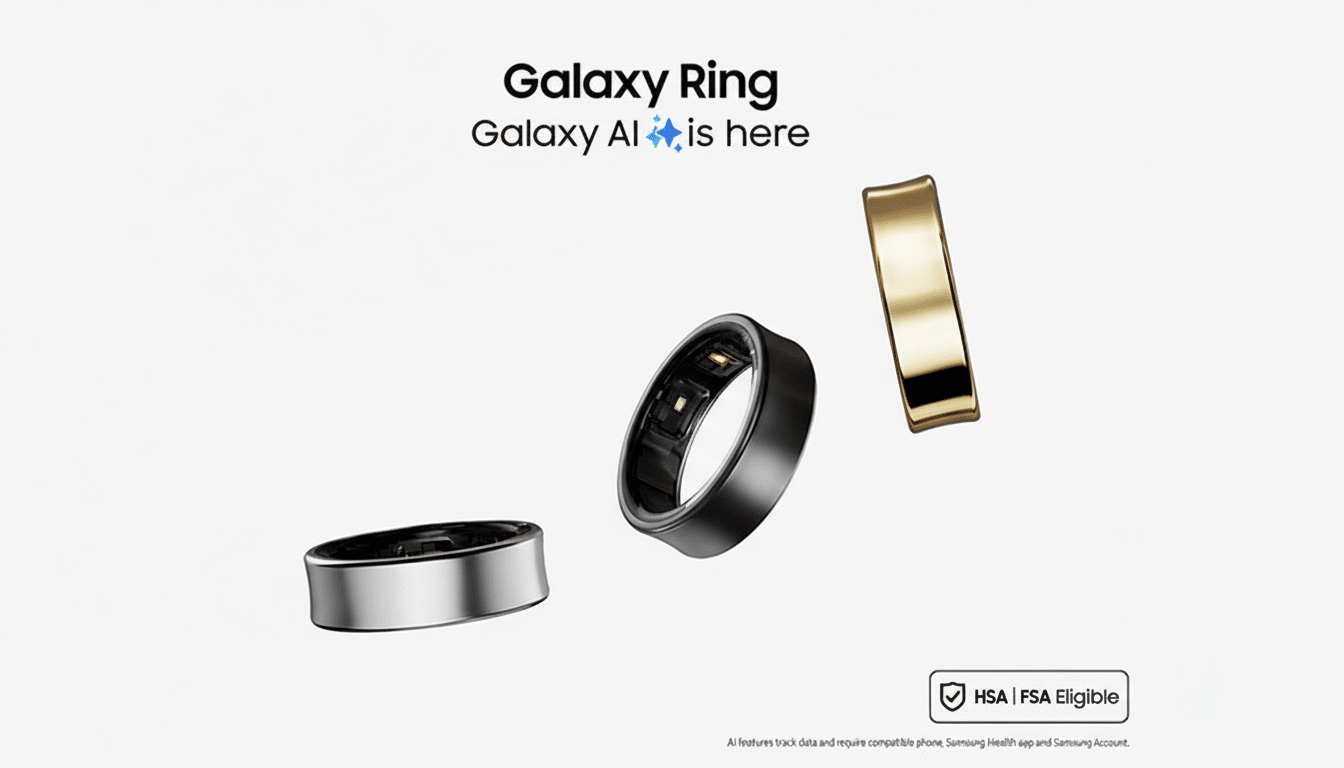
How to Get the Update and Increase Accuracy
You should get the firmware through the Galaxy Wearable app when it rolls out in your region. Leave the ring on its charger, put your phone in a stable position, and follow the prompts.
A quick calibration regimen can also help after you install: charge the ring to 100 percent, wear it down to about 10 percent, and then fully recharge it without any interruptions. Do NOT subject this phase to extreme heat or cold. If you’re still seeing random drops, try to ensure high-drain settings like frequent HR checks or continuous data sync with the phone aren’t enabled.
Rollout and Regional Availability Timeline
Rollouts for Samsung tend to happen in waves, launching first in select markets before getting released worldwide. According to community posts, India was a part of the initial rollout, but there is yet more to come. Patience might be in order; a staged rollout allows the company to keep an eye out for problems before scaling up.
The Larger Smart Rings Landscape and Context
The “few days of use” is thanks in part to a smart ring’s sensors and radios running at lower duty cycles than smartwatches. But that edge can be reversed if battery readings seem less than trustworthy. Stability updates such as this one go a long way in translating the potential of hardware into reliable day-to-day use.
If all goes well, Galaxy Ring owners can expect to experience fewer percentage jumps, improved time-to-empty behavior, and closer numbers between advertised and real-world longevity.
A modest download with outsized potential to make the wearable feel more polished and predictable.