


Samsung is preparing a significant upgrade to Bixby alongside One UI 8.5, positioning its assistant as a more capable, conversational agent that can both control device settings in plain language and fetch answers from the web via a new integration with Perplexity. The company briefly published and then removed an announcement about the beta, but the preserved details and Samsung’s broader software roadmap point to a clear shift in strategy: Bixby is being rebuilt for the AI era.
What Samsung Says Is Coming to Bixby in One UI 8.5
The refreshed Bixby is described as a “conversational device agent,” which is Samsung’s way of saying you can ask for changes the way you’d talk to a person, not a settings menu. Rather than digging through toggles, you could say “Dim the screen and turn on Eye Comfort Shield,” or “Silence notifications from this app for two hours,” and Bixby will execute from anywhere on the phone.
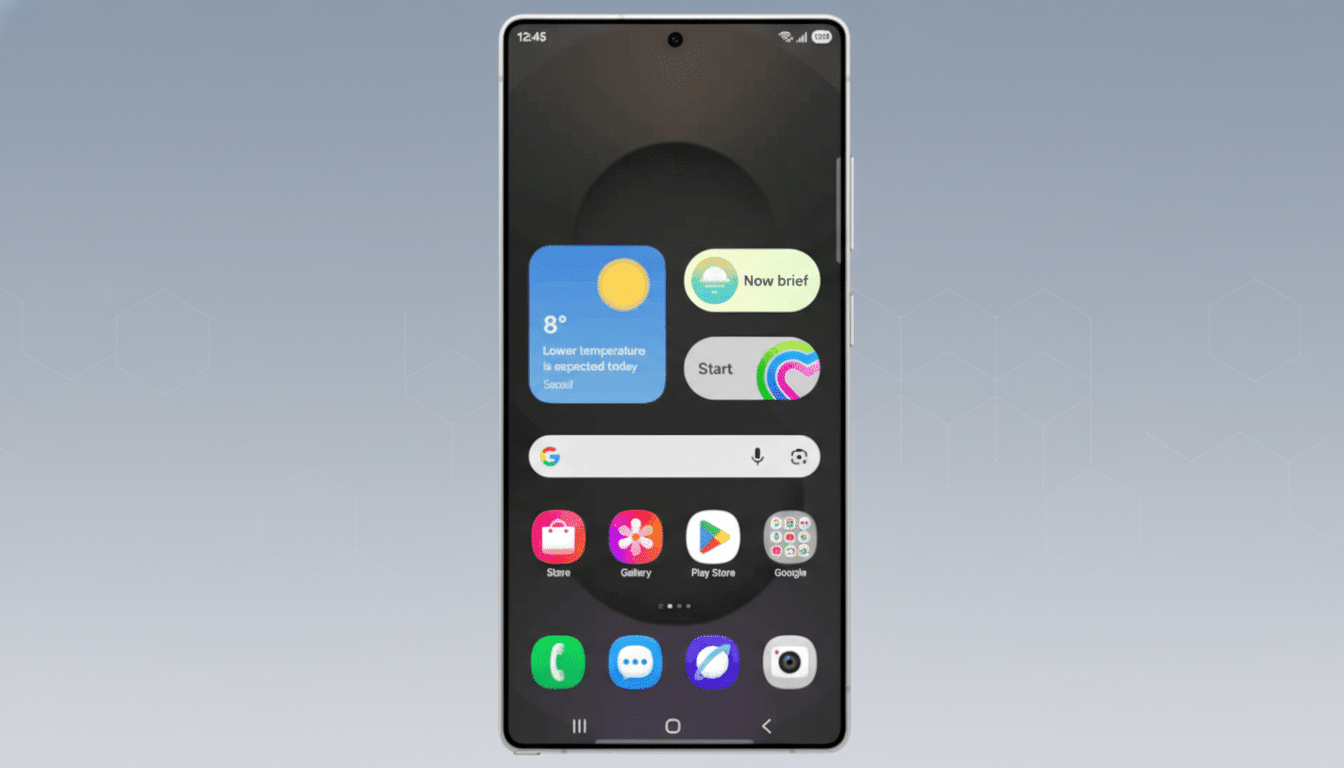
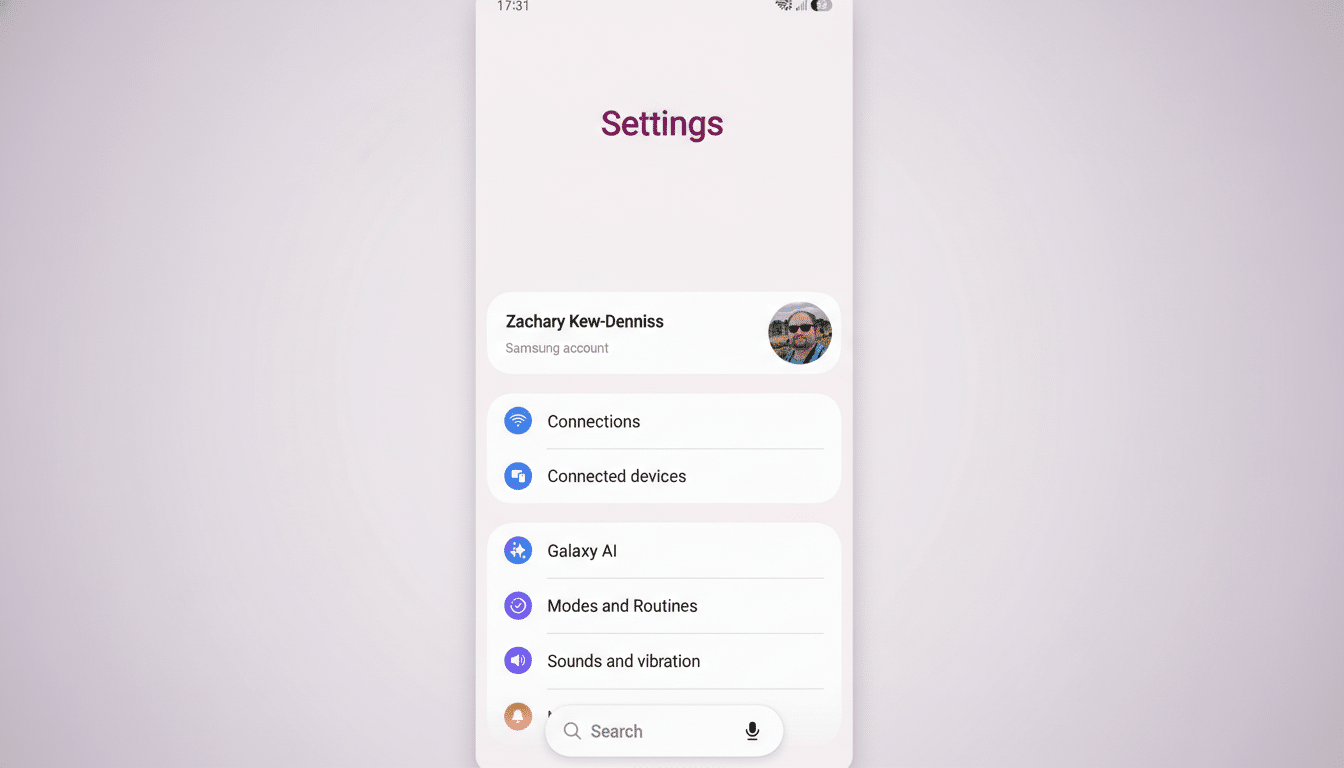
This builds on groundwork Samsung started in One UI 7, where natural language queries in the Settings app—phrases like “my eyes are tired” or “make text bigger”—already surface relevant controls. One UI 8.5 extends that logic systemwide, turning Bixby into the front door for device actions instead of a siloed voice utility.
Perplexity Integration And How It Works
For questions that go beyond the phone itself, Bixby will route to Perplexity to synthesize answers informed by live web results. Expect rich responses—text, summaries, and potentially graphics—returned inside the Bixby UI. Perplexity is known for concise, source-cited outputs; the company has said it surpassed 10 million monthly active users and handles hundreds of millions of queries each month, underscoring demand for fast, grounded answers.
Practically, this split makes sense. On-device commands can run locally for speed and privacy, while web lookups tap a cloud model optimized for retrieval-augmented generation. It also helps Bixby avoid the brittle “sorry, I can’t do that” moments that plagued earlier assistants by deferring to a dedicated search AI when the question isn’t about the phone.
There are also regulatory and privacy implications. Samsung’s note that availability will be “in select markets” suggests the company may sequence the rollout around data-transfer and inference rules, particularly in the EU. Expect granular controls over what Bixby can access and whether web queries are used to personalize results.
What It Means For Gemini And The Ecosystem
Samsung has leaned heavily on Google’s AI stack this cycle—the Galaxy S25 series shipped with a customized version of Gemini and Samsung has featured Google’s models in marketing. A more capable Bixby complicates that messaging. If Bixby can answer complex questions and control the device, Samsung gains a first-party layer that reduces reliance on a partner’s brand while still orchestrating multiple models under the hood.
For users, the key will be clarity. When is Bixby handling a task locally, when is it leveraging Perplexity, and when does Gemini appear? The best experience will feel seamless, but transparent labeling and consistent behavior across features—voice, text, camera, and share-sheet actions—will determine whether people adopt Bixby as their default assistant or continue juggling multiple AI entry points.
The move also reflects a broader industry correction. After years of stalled voice assistants, vendors are threading together on-device models for control and cloud models for reasoning. Juniper Research previously estimated that the number of digital voice assistants in use would reach 8.4 billion by 2024, but usefulness has lagged. Pairing device-level authority with retrieval-backed answers is the recipe rivals like Apple, with its overhauled Siri under Apple Intelligence, and Google, with Gemini, are also pursuing.
Timing, Availability, and Supported Devices
Samsung indicated the upgraded Bixby will debut with One UI 8.5 in select markets. The software is in beta now, and a stable release is expected to land first on the Galaxy S26 series, with a staggered rollout to recent flagship and premium midrange devices thereafter. As usual, carrier certification and region-specific compliance will influence timing.
The company briefly posted and then removed its initial announcement, which now redirects to a page-not-found error. Outlets including Droid Life captured the original text, and we’ve asked Samsung for clarity on the takedown. Pulling a post isn’t uncommon during beta periods as language is refined and regional details are finalized.
The Bottom Line on Bixby’s AI-Powered Reboot
Bixby’s AI reboot is less about flashy demos and more about utility. If Samsung nails natural language control for everyday settings and cleanly integrates Perplexity for broader questions, Bixby could finally become the frictionless hub Galaxy owners actually use. The strategy signals a renewed commitment to a first-party assistant that’s both deeply embedded and broadly knowledgeable—exactly what modern smartphone AI should be.