


Samsung’s long-rumored Project Moohan mixed reality headset appears to be right around the corner, with multiple reports indicating that a release in its home country is imminent. There’s a bit of pre-launch activity reported by Korean publication ChosunBiz, which has been repeated elsewhere including at TechAdvisor and suggests Samsung could be set to break into the high-end XR space sooner rather than later.
What the Reports Indicate About Launch and Pricing
ChosunBiz reports an imminent launch in Korea, which would fall in line with Samsung’s tendency to treat local early adopters first before it goes global. TechAdvisor also throws into the mix that it’ll be expensive, with estimates as high as around £2,000 to £3,300. That would put Project Moohan squarely up against Apple’s Vision Pro on ambition and rate, if not price, and a world apart from something like Meta’s Quest series of mainstream products.
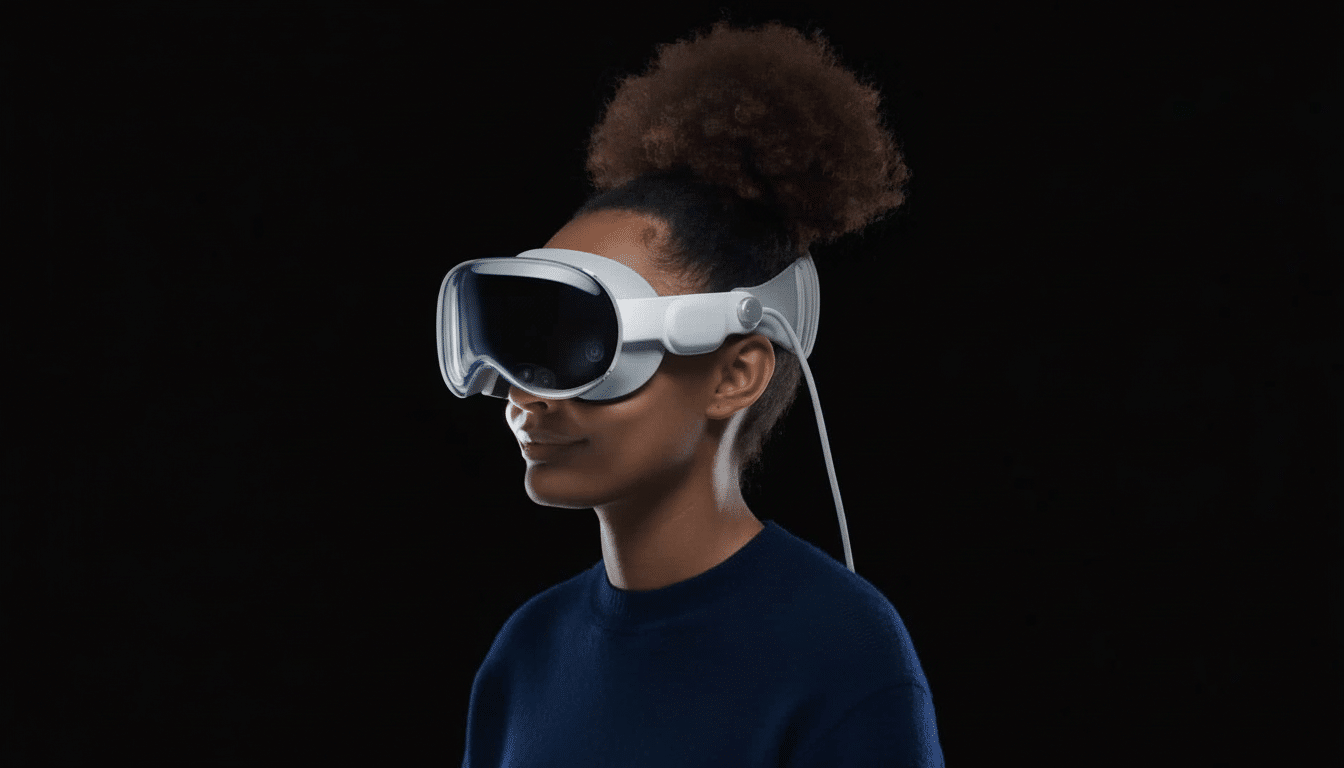
The approach indicates that the fans come first. Instead of the mass-market push we saw from its predecessor, it feels like Samsung is aiming this time around at early adopters who want the bleeding edge in display technology, high-fidelity passthrough and a solid app ecosystem. That and a staggered regional release might come to be, although global timing has yet to be confirmed.
Rumored Hardware and Display Tech for Project Moohan
Leaked specs as reported by UploadVR and Android Headlines indicate micro‑OLED displays at approximately 1.3 inches with a per-eye resolution of 3552×3840. That works out to be around 13.64 million pixels per eye, which — if true — would ever-so-slightly give Apple’s Vision Pro display a run for its money in terms of total pixel count per eye. The payoff: sharper text rendering, cleaner UI elements and more believable presence in mixed reality scenes.
Reports have also pointed to a Qualcomm platform; many suspect the Snapdragon XR2+ Gen 2 (or something extremely similar), co-developed side-by-side with Samsung and Google. A chipset like that would enable much more advanced on‑device AI, low‑latency sensor fusion and better thermals — these are vital to maintaining such high refresh rates without generating excessive heat. Anticipate pancake optics for a smaller profile, lidar‑based inside‑out tracking, and eye tracking with the potential for foveated rendering (as always), where pixels are dedicated to where you are looking to accommodate higher effective resolution.
One unpredictable factor is display supply. In the industry at large, micro‑OLED yields are still a problem, according to analysts at Display Supply Chain Consultants. If Samsung is indeed using high‑resolution micro‑OLED, that would go some way towards explaining the premium price and possibly limited early availability.
The Software Platform and Content Play for Samsung XR
Samsung, Google, and Qualcomm have previously announced that they’re collaborating on a future XR platform that is seen as likely to be built around Android with XR-centric interfaces and services. Perhaps that will materialize as day-one support for such staples as YouTube in immersive modes, Play-backed distribution for spatial apps and tight hooks into Google’s developer tools alongside engines like Unity and Unreal.
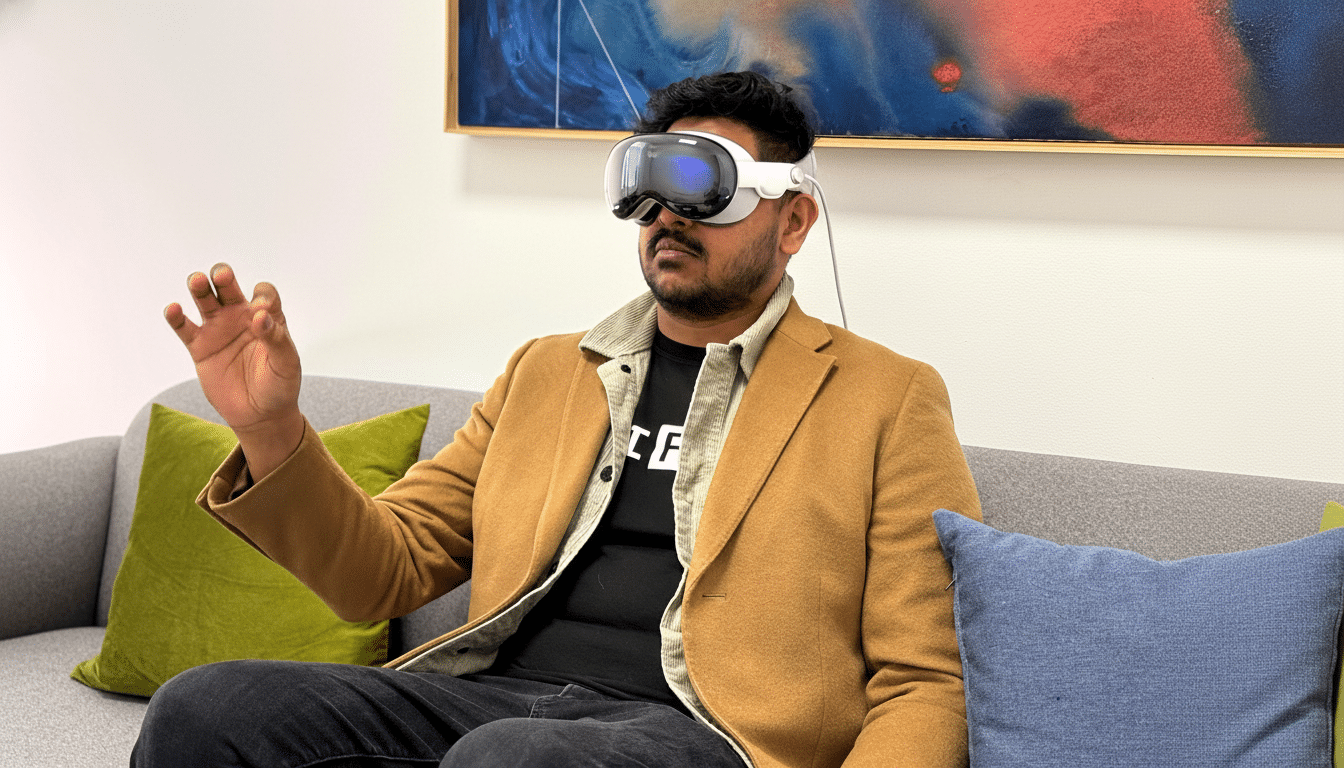
That may be a differentiator Samsung has. Intuitive connections with other Galaxy devices — such as phones, watches and buds — could offer just-in-time experiences spanning fast device switching, spatial audio tuning or fitness or wellness content driven by biometrics. SmartThings or DeX integrations would also fit here, allowing productivity scenarios such as virtual multi‑monitor workspaces — an area in which mixed reality still needs a killer app to push it beyond the demo and into everyday usage.
Competitive Landscape and Market Timing for Premium XR
According to IDC figures, the AR/VR market has seen some fluctuation in recent years amid seesawing shipments that dipped before again rebounding thanks to new platform releases.
Meta remains the leader in unit share at mainstream pricing, while Apple has driven a premium tier. Samsung’s arrival comes at a crucial time: consumer expectations about mixed reality are high, but so are expectations for comfort, battery life and developer support.
If Project Moohan can provide us with high‑resolution passthrough, irresistible productivity tools and a pool of credible spatial apps, it could give Samsung a fast pass to the premium end of XR. A Korea‑first release would allow the company to verify its performance, fine-tune its software and gain momentum before a more general international push.
What to Watch Next as Samsung’s Project Moohan Nears Launch
What to look for are weight and balance, battery strategy, field of view, controller versus hand‑tracking ergonomics and passthrough latency. Pricing tiers and storage configs will give clues about who this is for, while developer sessions and early demos will show whether Samsung’s XR software has graduated to daily driver status. The reports do suggest a time frame that’s very near — especially in Korea — so it will likely not be too much longer before there is official confirmation.