


Samsung’s next big foldable move looks set to be a wider Galaxy Fold, and that single change is enough to make it the only upcoming Samsung foldable that truly matters to me. A broader cover screen and a less square inner display would address the two pain points that have defined the Galaxy Fold experience since day one: reachability on the outside and letterboxing on the inside.
Why a wider Galaxy Fold could truly change everything
For years, Samsung’s book-style Fold has prioritized tall and narrow. It’s elegant, but the cover screen often feels like typing on a remote control. By contrast, devices like Google’s Pixel Fold, OPPO’s Find N series, and OnePlus Open embraced shorter, wider frames that behave like two compact phones hinged together. The result is an outer display your thumbs can comfortably span, and an inner canvas that feels legitimately tablet-like.
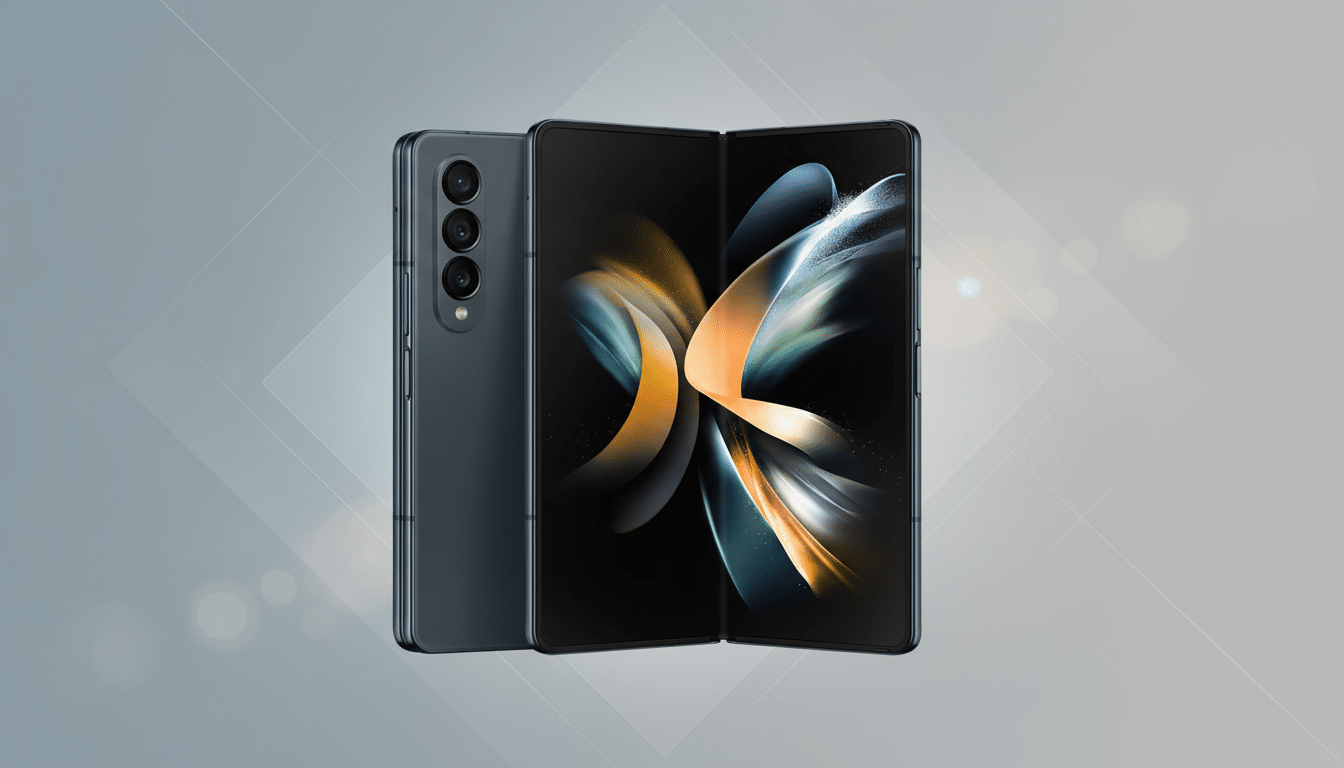
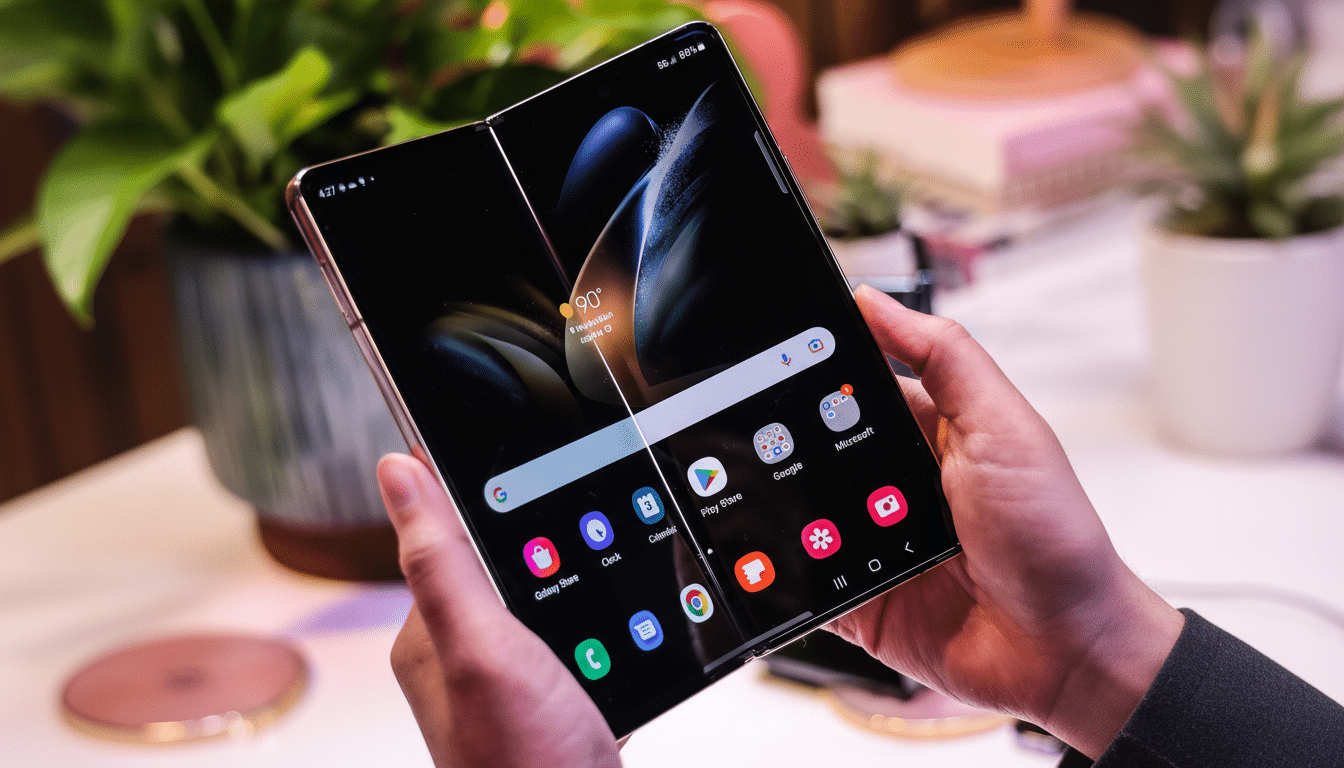
That’s the promise of a wider Galaxy Fold: a practical daily driver when closed and a genuinely useful slate when open. The winning trick is aspect ratio. Samsung’s near-square inner panel has been great for split-screen grids and document editing, but it compromises video and many apps that prefer more width than height. Widen the canvas and you get better ergonomics, better media, and better app layouts without resorting to awkward zooms or black bars.
Less letterboxing, more immersion for video and apps
Here’s the math that matters. On a square inner display, 16:9 video uses about 56.25% of the screen area. Shift to a 6:5-style panel — the kind many “wide” folds approach — and the same 16:9 video jumps to roughly 67.5% of the area. Move closer to 16:10 and you’re nearing 90% utilization. That’s a dramatic boost in immersion before you even touch brightness or color tuning.
Samsung’s AMOLED panels already deliver class-leading peak brightness and OLED contrast. Pair that with less letterboxing and the Fold finally becomes a credible couch companion for streaming as well as a workhorse for reading, annotating, and note-taking. It also reduces the perennial annoyance of a display crease bisecting your movie when you rotate to compensate for the squarish layout.
Thin meets wide: the Fold design balancing act ahead
Going wider can’t come at the expense of thickness, and this is where Samsung’s manufacturing muscle matters. Rivals have already proven what’s possible: Honor’s Magic V2 slipped under the 10mm folded mark, while Xiaomi and OnePlus trimmed hinges with carbon composites and refined ultra-thin glass. If Samsung can deliver a wider Fold that still closes near the svelteness of recent candybar flagships, it redraws the category’s comfort line.
Wider usually means better battery geometry, too. A broader chassis can accommodate less “stacked” cells, improving thermal behavior under sustained workloads like video editing or DeX-style multitasking. It also creates room for a proper S Pen silo — a persistent request from Fold power users who don’t want to juggle a stylus case — without turning the device into a brick.
Software must earn the screen on a wider Galaxy Fold
Hardware only gets you halfway. The other half is software that treats the inner panel like a tablet. Google’s large-screen push with Android 12L and beyond encouraged two-pane layouts in Gmail, Docs, and Settings, while apps like Kindle, Outlook, and Slack adopt split views that shine on wider canvases. Samsung’s One UI already leads in multitasking tricks like App Pairs, pop-up windows, and a persistent taskbar; a wider inner display lets those features breathe.
This is more than aesthetics. Wider gives you full desktop-style email with a list and preview, maps with layered panels, and spreadsheets with meaningful columns — not just stretched phone UIs. Reading in Kindle with a dual-page view feels like paper, not a single billboard of text. The Fold has flirted with these experiences; a wide Fold can finally live there full time.
Signals From The Market And The Supply Chain
Counterpoint Research has noted that clamshells drive a majority of foldable unit volume, but “book-style” models lead on revenue thanks to higher ASPs and productivity use cases. IDC has tracked consistent double-digit growth in foldables as panels, hinges, and yield rates improve. Display Supply Chain Consultants reports that wider aspect ratios are gaining favor among panel vendors because they balance durability, crease management, and content compatibility.
Tri-fold concepts that Samsung and others have shown are astounding but still feel like showpieces. DSCC’s bill of materials modeling suggests multi-panel devices will carry steep premiums, and they demand full-unfold interactions for even quick tasks. A refined, wider two-panel Fold hits the sweet spot between ambition and everyday utility — without turning your pocket into a museum exhibit.
The Only Samsung Foldable I’m Waiting For
I’ve tried every style of foldable, and the lesson is clear: shape beats spectacle. Give me a Fold with a wider cover screen I can type on, an inner display that treats video and multitasking like first-class citizens, a chassis that stays thin and light, and software that behaves like a real tablet when I open it. If Samsung brings that package together, it becomes the one foldable in the lineup that actually replaces two devices — the phone in my pocket and the tablet in my bag.
That’s why the wide Galaxy Fold is the only one I care about. It’s not just another iteration; it’s the fix that unlocks the format’s promise.