


Samsung has pulled back the curtain on its 2026 smartphone strategy, signaling a clear pivot toward thinner, lighter Galaxy devices, a more ambitious foldable lineup, and a new wave of “agentic” AI experiences for its next flagship series. The preview, shared during the company’s latest earnings call, sketches a year where design efficiency and on-device intelligence play co-starring roles.
Slimmer and lighter designs take center stage in 2026
The company says future Galaxy models will shed weight and thickness without compromising capability. That’s easier declared than delivered: slimming phones typically squeezes thermal headroom, battery capacity, and camera modules. Expect Samsung to lean on lighter alloys and recycled materials, more efficient displays, and tighter thermal solutions to keep performance stable in slimmer chassis.
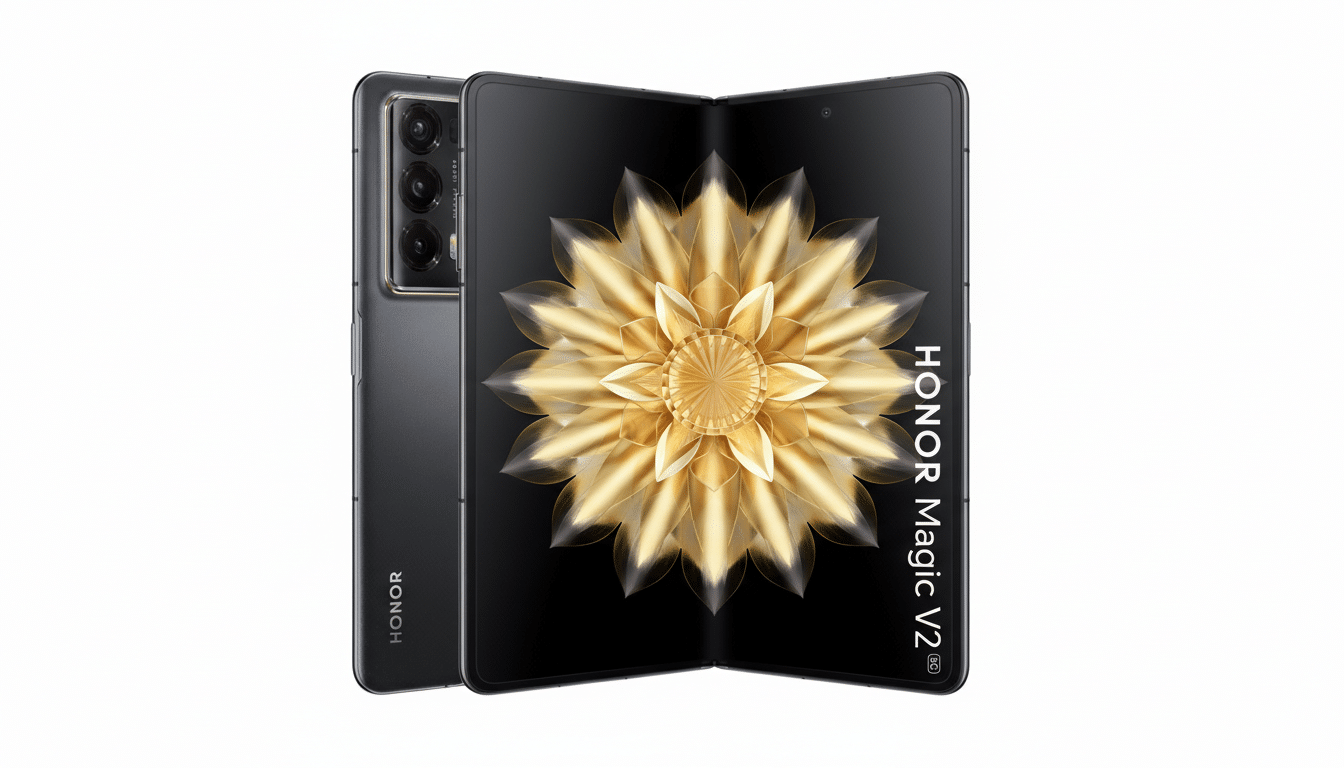
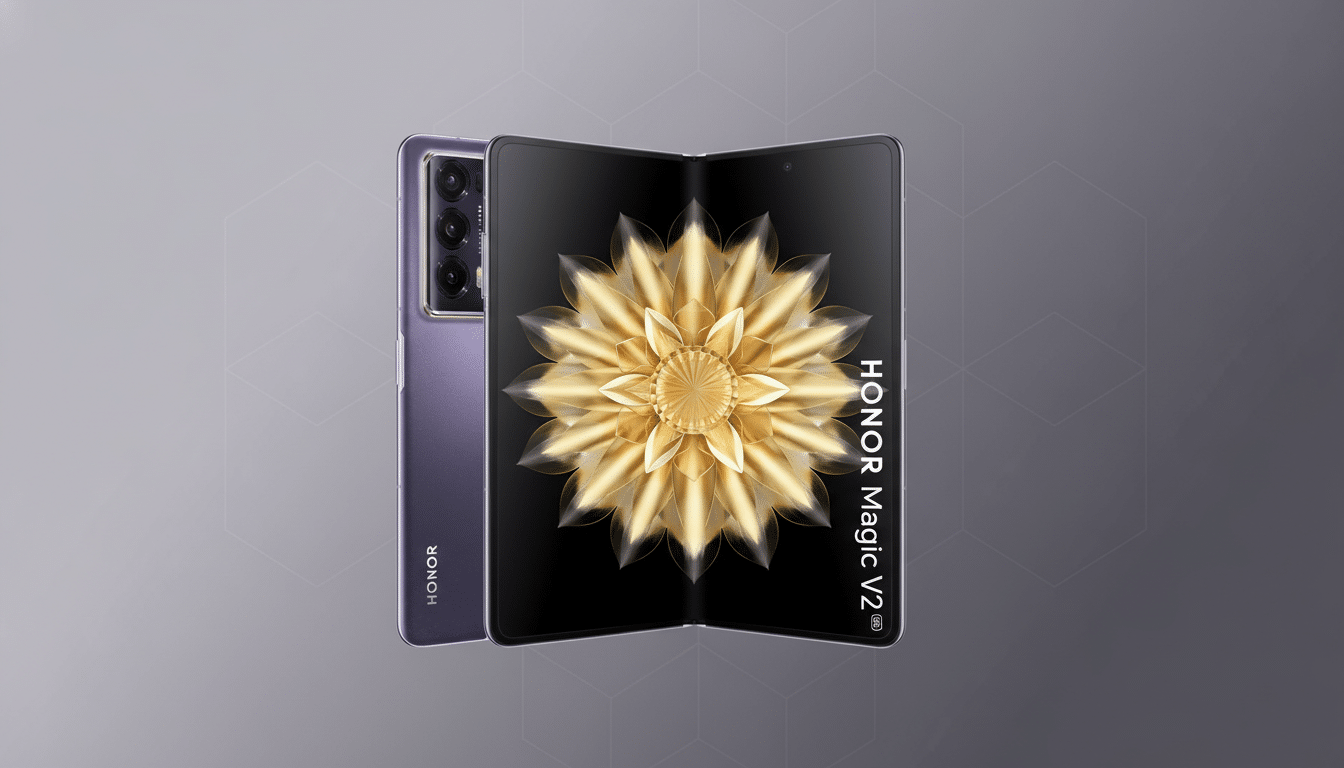
For context, today’s mainstream flagships generally sit between roughly 7.5mm and 8.9mm thick, with “Ultra” models pushing the upper end to house larger sensors and batteries. The market is rewarding thin-and-rigid designs—witness devices like the Honor Magic V2 proving that even foldables can approach sub-10mm folded profiles. Samsung’s stated focus suggests its 2026 slate will compete directly on that dimension without abandoning battery life or camera quality.
Galaxy S26 pivots to agentic AI with on-device advances
Samsung confirmed the Galaxy S26 series will introduce next-generation agentic AI running on a second-generation custom application processor. In plain terms, that means AI that not only recognizes content but initiates and completes multi-step tasks across apps on your behalf—think drafting, editing, and sharing a summary from a meeting recording, or orchestrating travel changes after parsing an inbox thread, all with minimal prompts.
Agentic AI demands fast, private, on-device computation. While Samsung hasn’t published chip specifics, the implication is a bigger NPU uplift and tighter integration with system services. The company also underscored deeper collaboration with industry partners—read Google and key semiconductor and software vendors—to make these experiences coherent across services and devices. Early traces of this direction have already surfaced in recent One UI builds.
On hardware, Samsung teased stronger overall performance and new camera sensors for the S26 family. Rumors point to the Ultra variant refining its 200MP primary camera with a wider aperture for improved low-light capture, while the broader lineup may prioritize smarter computational photography over headline-grabbing sensor jumps. Reports also suggest the Edge variant could be phased out, streamlining the range.
Foldables expand with new form factors and slimmer builds
Foldables remain a strategic pillar. Samsung says it will “strengthen” the lineup and continue to experiment with form factors, stoking speculation about a wider, book-style device optimized for productivity. A broader portfolio could sit alongside the clamshell crowd-pleaser, with size and aspect ratios tuned for reading, editing, or side-by-side app use.
This push fits the trajectory analysts describe for the category as it moves beyond early adopters. Research firms such as IDC and Counterpoint Research have highlighted sustained interest in foldables as prices normalize and durability improves. On the component side, panel innovations and slimmer hinge architectures—areas tracked closely by Display Supply Chain Consultants—are enabling thinner, lighter models without sacrificing rigidity.
Thinness also matters uniquely to foldables: shaving millimeters off the frame reduces the “brick effect” in pockets and makes big-screen devices feel everyday-ready. If Samsung can deliver slimmer foldables with better crease control and robust dust resistance, it will be well positioned against rivals that surged in premium share last year.
Ecosystem plays and market implications for 2026 Galaxy
Beyond phones, Samsung flagged growth ambitions for Galaxy Watch and earbuds, with AI-driven health, safety, and convenience features pulling more weight. Tablets, the company noted, face slower replacement cycles, but AI-centric notebooks are expected to offset softness—echoing forecasts from Gartner and IDC that PC refreshes will increasingly revolve around on-device AI capabilities.
For buyers, the message is clear: in 2026, design and intelligence will define Galaxy devices as much as raw specs. Expect slimmer builds that feel noticeably lighter in hand, foldables that explore new shapes, and phones that take initiative—anticipating tasks and stitching together actions across apps. If Samsung executes, the headline spec sheets may look familiar, but the day-to-day experience could feel distinctly more helpful.