


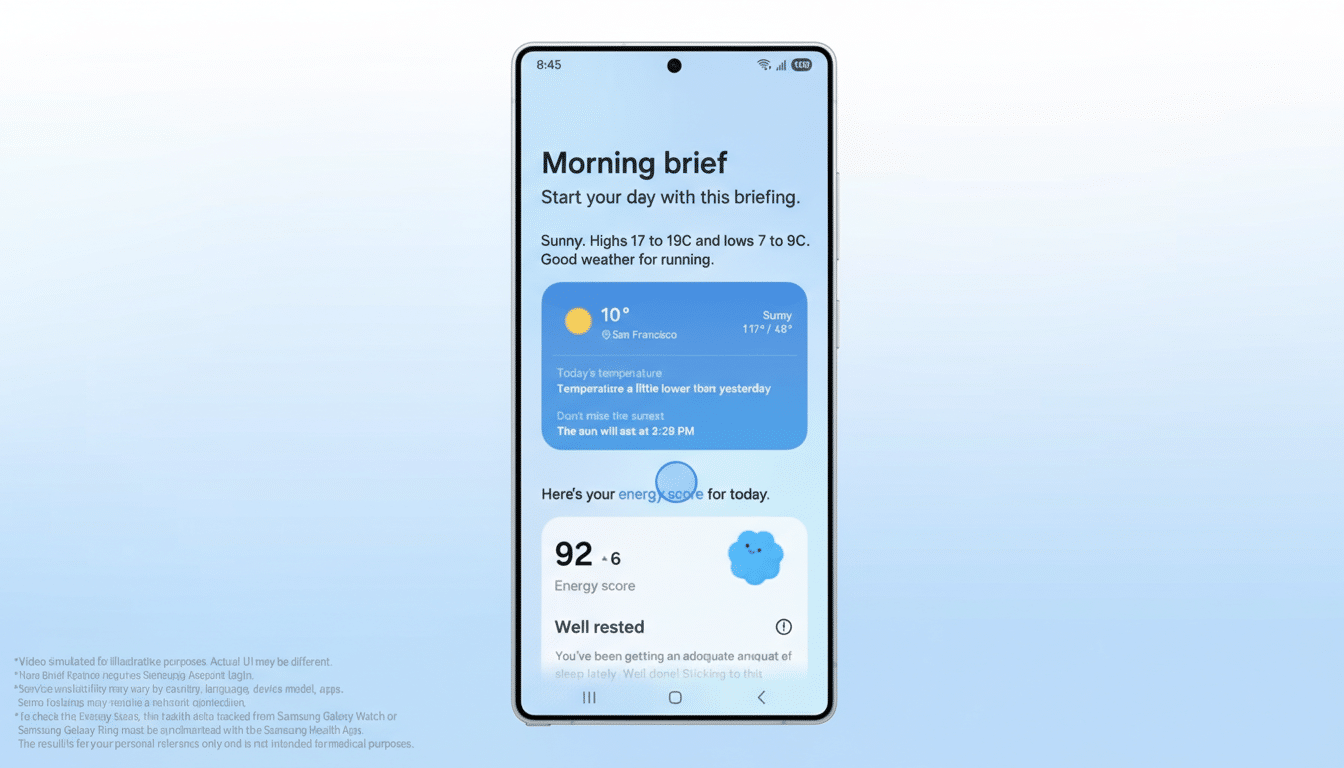
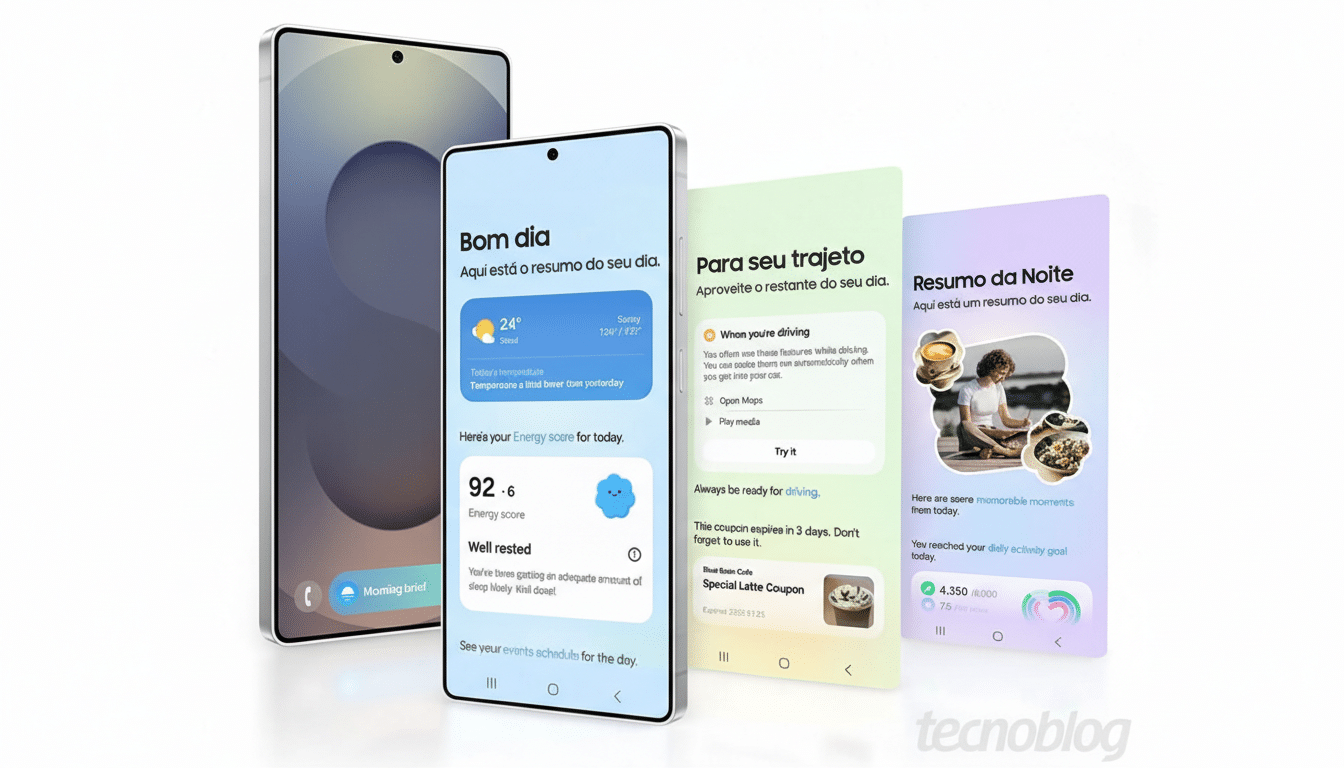
I set out to make Samsung’s Now Brief genuinely useful. After a day of careful setup, calendar grooming, and location tagging, I did get it to show a travel ETA card—once. The problem is everything it took to get there, and how little I could trust it when it finally appeared. For a feature meant to reduce friction, it demanded far too much.
What Now Brief Promises Versus What It Delivered
On paper, Now Brief is supposed to parse upcoming events, understand where you are, and surface a “leave by” card with the best route and timing. It’s the kind of proactive assistant experience many of us loved years ago. In practice, the only way I could coax it into showing travel information was to block out my entire day with multiple calendar entries, each with precise locations and times.
- What Now Brief Promises Versus What It Delivered
- Friction Kills Proactive Assistants When Setup Is Required
- The Transit Blind Spot Undermining Urban Usefulness
- The Ghost of Google Now and Lessons for Assistants
- What Samsung Needs to Fix for Now Brief to Succeed
- Bottom Line: Useful Ideas Hurt by Effort and Inconsistency
I created six separate events to map out a London itinerary. Only one of those triggered a travel card. That’s a 16.7% hit rate—nowhere near reliable enough to build a habit around. Worse, the route defaulted to driving despite my moving around by Tube, which meant the advice was not merely incomplete, it was wrong for my reality on the ground.
Friction Kills Proactive Assistants When Setup Is Required
Proactive tools only work if they’re low effort and consistently correct. Decades of usability guidance from groups like Nielsen Norman Group point to the same truth: if users have to perform ritualistic setup just to maybe get value, they will stop trying. The moment I have to manufacture extra events to “wake” a feature, the feature is already failing at its core job.
Trust is also binary. If an assistant is right nine times out of ten, I might act on its suggestions. If it’s right once in six, I ignore it entirely and revert to manual checks in Maps or my calendar. Proactive systems live or die on that trust curve.
The Transit Blind Spot Undermining Urban Usefulness
Defaulting to driving is a fundamental mismatch for urban users. Transport for London reports around 4 million weekday entries and exits on the Tube, underscoring how common public transit is for commuters and visitors alike. A brief that assumes car travel in a city like London is starting from the wrong premise. An assistant should infer preferred modes from past behavior or ask up front—then honor that selection.
Even basic transit awareness would have fixed the most annoying failures: accounting for transfer times, service disruptions, and the walking segments that define real-world trips. Without this, an ETA card becomes an abstraction instead of an actionable prompt.
The Ghost of Google Now and Lessons for Assistants
The experience inevitably invites comparison. The old Google Now quietly delivered leave-time cards, commute estimates, package tracking, and even remembered where you parked—all without extensive setup. Later efforts like Assistant Snapshot tried to carry the torch before being shuttered, but the underlying lesson remains: proactive utility thrives on consistency, context, and zero fuss.
Today’s AI-heavy branding doesn’t automatically translate into better outcomes. A large model that can summarize a lot of data is less important than a small, dependable system that nails the basics every single time.
What Samsung Needs to Fix for Now Brief to Succeed
- First, eliminate the ritual. Any event with a time and location should be sufficient to trigger a travel card, no calendar gymnastics required.
- Second, honor travel preferences and location context by default—transit, cycling, walking, or driving—then learn from behavior over time.
- Third, raise the reliability ceiling. That means integrating high-quality transit feeds, building in buffer logic for delays, and surfacing confidence levels.
- Finally, expose simple controls so users can confirm or correct assumptions without digging into settings. These are table stakes now, not nice-to-haves.
Bottom Line: Useful Ideas Hurt by Effort and Inconsistency
With enough effort, I made Now Brief show me something useful. But the payoff wasn’t worth the work, and the inconsistency eroded any chance of trust. Until it becomes effortless, mode-aware, and reliably timely, most people will keep doing what I did afterward—open their calendar, check their map, and ignore the brief that was supposed to save them the trouble.