


Samsung’s desktop browser is no longer behind a velvet rope. After a limited rollout, Samsung Internet for PC is now broadly available to download with regional and developer restrictions removed, signaling the company’s intent to turn its popular mobile browser into a true cross-device contender. The app remains in beta, but the gates are open to everyone.
Samsung lifts regional and developer limits for PC app
When Samsung brought its browser to Windows last year, access was constrained to select markets and users with developer credentials. According to reporting from the Samsung-focused outlet SammyGuru, those limits have been lifted. That means you no longer need to be in specific countries or part of a developer program to install the PC version.
This wider availability does not constitute a full stable release; Samsung is still labeling the app as a beta. Even so, opening the download to all users is a strong tell that the company is confident in performance and stability, and it puts the browser in front of the audience that matters most: everyday Windows users already invested in the Galaxy ecosystem.
Why this broader PC rollout matters for Samsung users
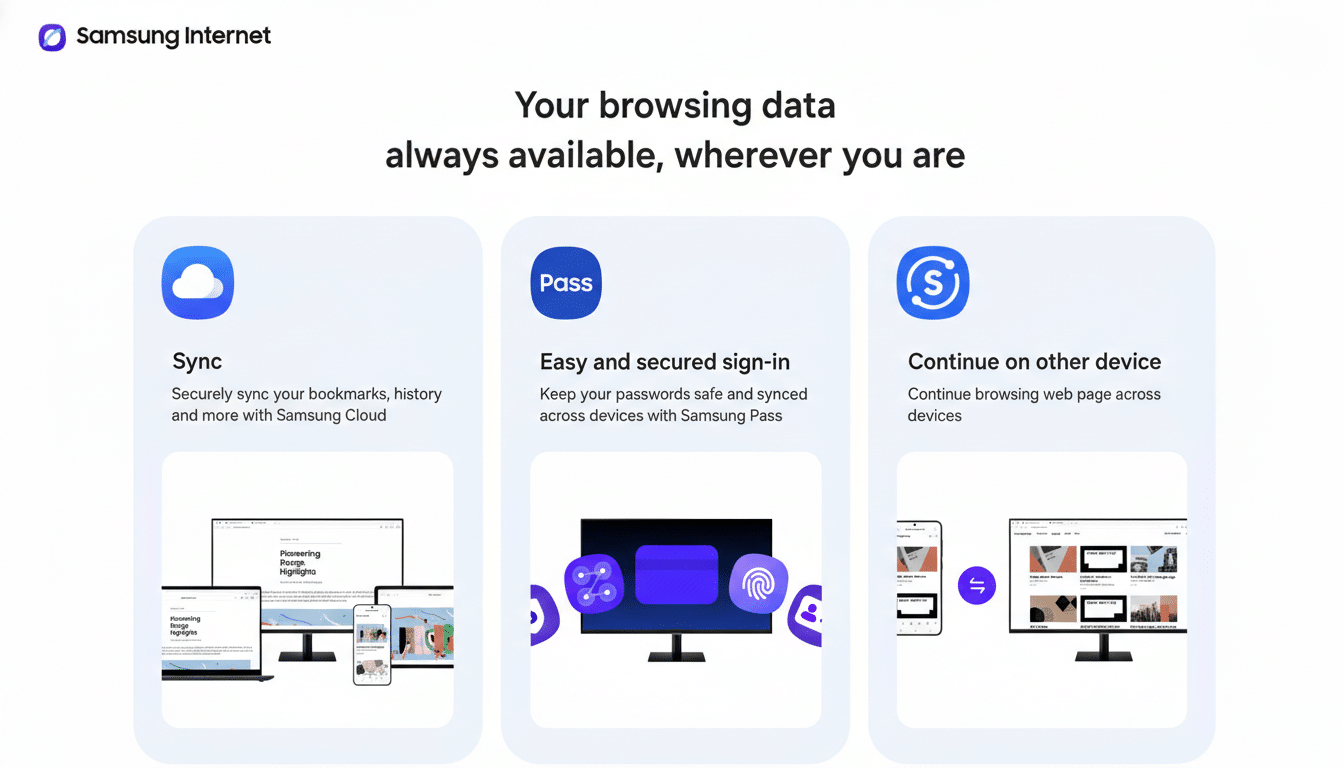
The biggest draw is continuity. If you browse with Samsung Internet on your phone, the PC app can sync bookmarks, history, open tabs, and Samsung Pass credentials so your browsing state follows you from pocket to desktop. That eliminates the usual friction of juggling different browsers at work and at home, a pain point that often keeps people locked into one brand across devices.
For Galaxy owners, Samsung Pass integration is especially notable. A single sign-in can bring saved logins and autofill data across screens, reducing password fatigue without forcing a switch to a third-party manager. It’s the same playbook that helps Chrome, Safari, and Edge retain users—tight sync and credible security—but now applied to Samsung’s large base of mobile customers.
How Samsung Internet aims to compete on Windows PCs
Breaking into the Windows browser market is notoriously hard. StatCounter’s global estimates show Chrome commanding well over 65% of desktop share, with Edge hovering in the low teens and Firefox in the single digits. To win converts, newcomers need more than a fresh coat of paint; they must deliver speed, reliability, privacy controls, and a reason to switch.
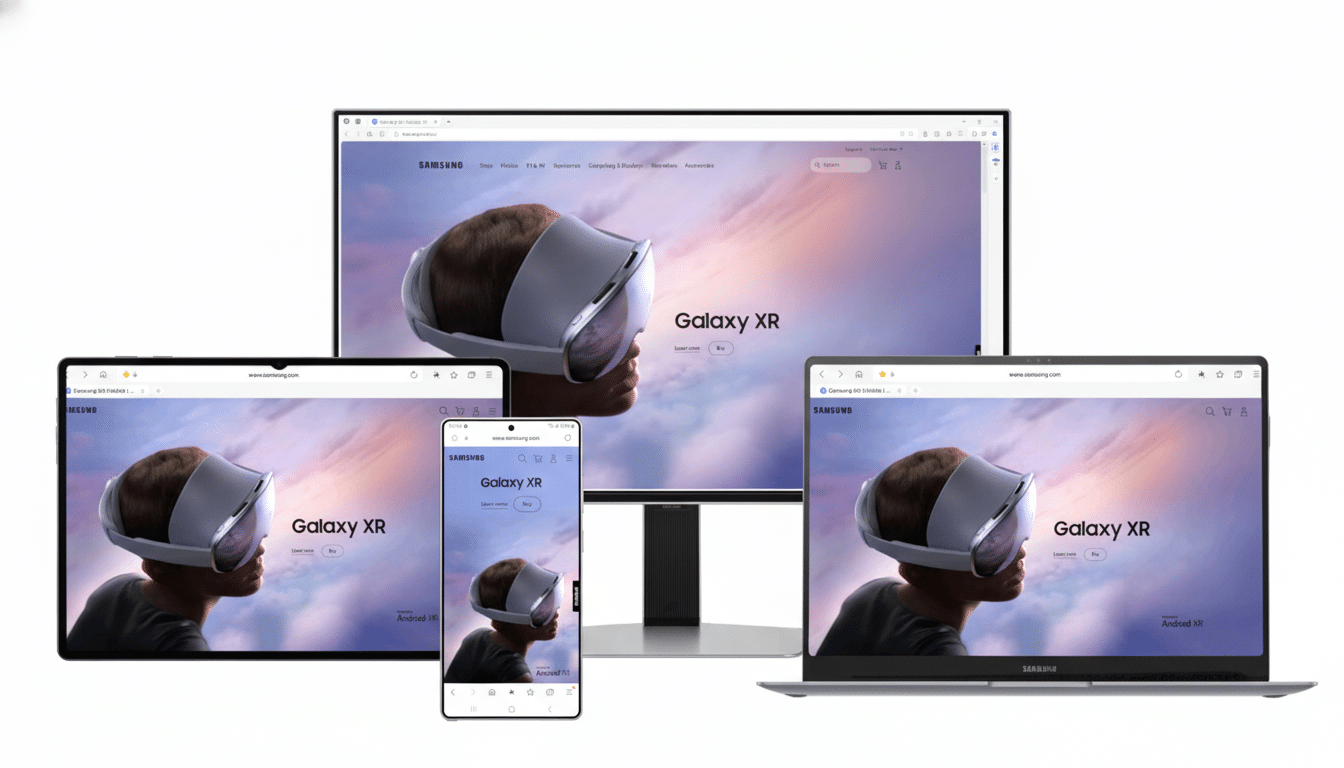
Samsung’s pitch leans on ecosystem advantages rather than novelty. If your primary phone is a Galaxy device, the value proposition is clear: your browsing life stays consistent, your saved data comes along, and your default mobile experience extends to the PC. That mirrors how Apple keeps many users in Safari and how Microsoft binds Edge to Windows workflows. The difference is that Samsung’s user funnel starts on Android, where its browser already has a massive footprint.
Privacy will be another pillar. On mobile, Samsung Internet is known for features like enhanced tracking prevention and a straightforward Secret Mode. Bringing that posture to the desktop—paired with transparent controls and sensible defaults—could resonate with users who want Chrome-class compatibility without handing over more data than necessary.
What to expect during the open beta phase on Windows
As a beta, some rough edges are likely: occasional bugs, missing polish, and features still in flight. Wider availability should accelerate feedback, and Samsung can iterate faster with a larger test pool. If history is any guide, this phase will focus on stability, sync reliability, and performance tuning under real-world workloads.
For curious users, this is a low-risk trial. You can run Samsung Internet alongside your primary browser, sync selectively, and decide if the cross-device benefits outweigh the inertia of staying put. Early adopters will shape the final release, and their experiences will determine whether Samsung can carve out durable share on Windows rather than being another niche alternative.
The bottom line: a broader beta for a cross-device push
Samsung has taken the biggest step yet toward a true phone-to-PC browser experience by making Samsung Internet for PC available to everyone, even as the app remains in beta. For Galaxy users, the promise is simple: seamless sync, familiar features, and fewer reasons to rely on a rival’s ecosystem. For the broader market, it introduces a credible new option in a space long dominated by a few giants—proof that meaningful competition can still come from a mobile-first player.