


After years carrying Galaxy flagships, I should be excited about the Galaxy S26 Ultra. Instead, early signals suggest a familiar dilemma when stacked against the Galaxy S25 Ultra: strong specs on paper, but persistent worries in the places that matter most day-to-day—camera consistency, ergonomics, and value.
The S25 Ultra earned trust with reliability, a superb anti-reflective display, and excellent performance. Yet I spent as much time adjusting my grip as I did enjoying the screen. Leaks and industry chatter indicate the S26 Ultra may not fix the right pain points, and that’s what gives me pause.
- Camera Progress or Plateau Between S26 and S25 Ultra
- Ergonomics Matter More Than a Lighter Scale Reading
- Price and Value Math for Samsung’s Next Ultra Flagship
- A Wild Card Privacy Display Feature for Commuters
- What I’ll Watch in Real Use on the Galaxy S26 Ultra
- Upgrade Advice for Galaxy Loyalists Eyeing the S26 Ultra
Camera Progress or Plateau Between S26 and S25 Ultra
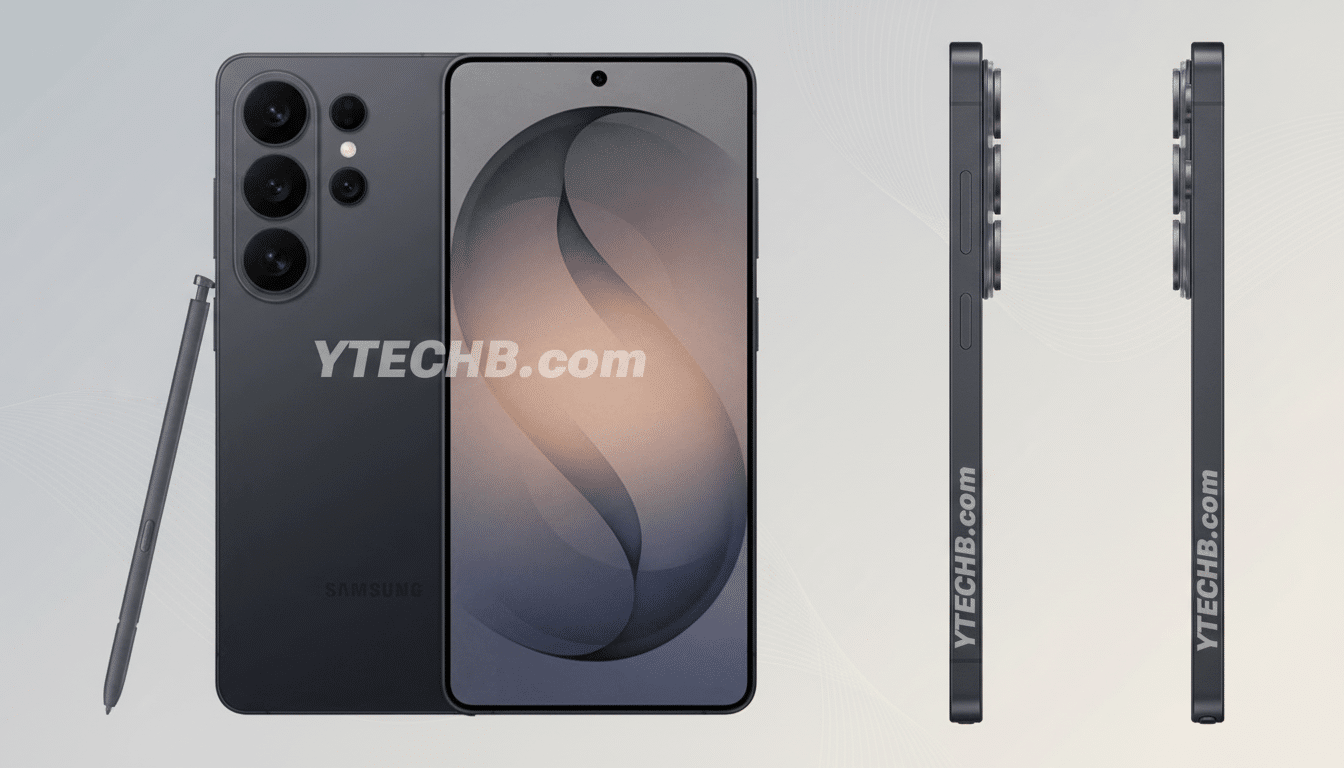
ETNews reports a familiar layout for the S26 Ultra: a 200MP main sensor, 50MP ultrawide, a 10MP 3x telephoto, and a 50MP 5x telephoto. On paper, that’s versatile. In practice, the 10MP 3x camera is the weak link—an area Samsung has leaned on for multiple generations while rivals push computational photography further for portraits and mid-range zoom.
The 200MP primary shooter can brute-force detail, and in good light, shooting full-res and cropping can outperform a dated 3x module between 2x and 5x. That’s not an elegant solution, but it’s one experienced Galaxy users already deploy. Unless Samsung meaningfully updates the 3x sensor or its tuning—especially noise handling, micro-contrast, and color cohesion between lenses—the S26 Ultra risks falling behind phones that blend focal lengths with seamless processing.
Competitors have raised the bar in videography and portrait realism, with some brands delivering tighter subject isolation and more natural skin tones at intermediate zoom. If Samsung’s rumored setup stands, the difference maker must be software: faster HDR fusion, better motion tracking, and consistent white balance across lenses. Without that, the S26 Ultra may look like an incremental camera refresh rather than a leap.
Ergonomics Matter More Than a Lighter Scale Reading
The S25 Ultra trimmed weight to 218 grams, impressive for a big-screen flagship. Yet numbers mislead. Its boxy, flat-sided frame felt sharper than previous Ultras, and the lack of tapering made extended one-handed use uncomfortable. If leaked imagery—circulated by reliable tipster Evan Blass—proves accurate, the S26 Ultra keeps that flat, squared profile.
Here’s why that matters: edge geometry influences grip fatigue more than most spec sheets suggest. Slight curvature softens pressure points and improves reach. Rivals have quietly refined this over successive generations, finding a middle ground between flat aesthetic and hand comfort. If Samsung doesn’t ease those edges, many owners will default to a case just to round the frame—an irony for a premium design.
Price and Value Math for Samsung’s Next Ultra Flagship
Flagships are expensive, but the S25 Ultra’s $1,300 launch price put it above core competitors at entry configurations. Reports suggest Samsung is weighing similar or higher pricing for the S26 Ultra amid component pressures. That’s tough optics unless the phone addresses daily comfort and camera consistency—areas consumers notice more than peak benchmark figures.
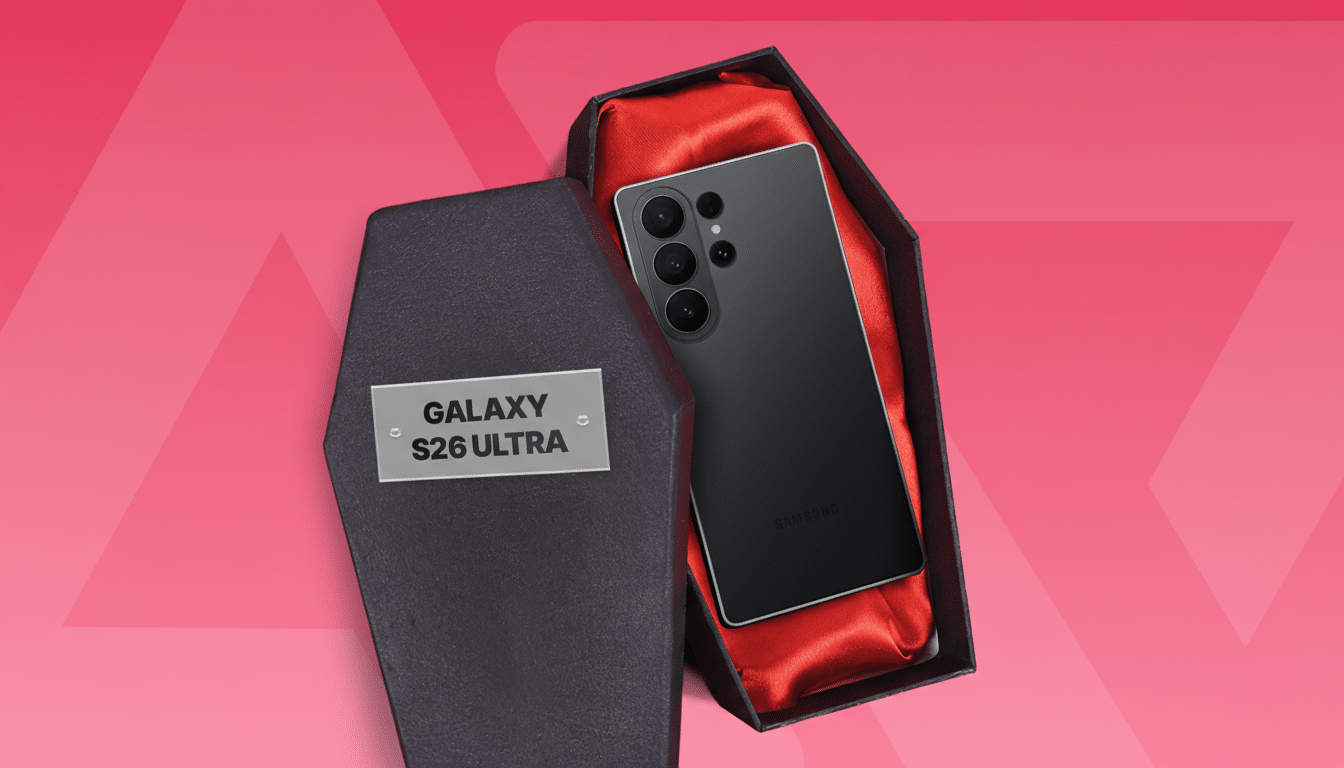
Yes, Samsung has offered aggressive trade-ins and preorder incentives, with company channels signaling promos up to $900 in credits. And doubling base storage to 512GB during promos helps. Still, value is more than a checkout discount. When a device sits at the top of the price ladder, it has to feel—and handle—like the best choice every hour you use it.
A Wild Card Privacy Display Feature for Commuters
Samsung has teased a new display privacy feature for the S26 Ultra that controls pixel-level light emission so onlookers see a dimmed or obscured screen when viewing from an angle. Unlike physical privacy filters, this approach could preserve brightness and color accuracy head-on—potentially a big win for commuters and enterprise users who routinely handle sensitive information in public spaces.
If executed well, this could be the S26 Ultra’s sleeper feature: useful daily, hard to copy quickly, and aligned with a broader push toward on-device privacy. It’s not a spec-sheet showstopper, but it solves a real problem without trade-offs.
What I’ll Watch in Real Use on the Galaxy S26 Ultra
First, edge contouring and in-hand balance. If Samsung subtly softens the rails or adjusts weight distribution, comfort could improve dramatically without changing the silhouette. Second, the 3x camera. A new sensor would be ideal; short of that, smarter sharpening, less chroma noise, and tighter color matching with the 200MP shooter would go a long way.
I’ll also look for cleaner video at intermediate zoom, faster autofocus in dim light, and fewer exposure jumps when switching lenses. These are the things owners notice after the honeymoon period—and they shape whether a phone still delights months later.
Upgrade Advice for Galaxy Loyalists Eyeing the S26 Ultra
If you own an S25 Ultra and value comfort and camera flexibility at 2x–5x, wait for hands-on verdicts or consider staying put. If you’re on an older Ultra, the S26 Ultra could be worth it for the display privacy tech, performance, and long-term software support—provided Samsung tidies the 3x camera and ergonomics.
In the meantime, S25 Ultra owners can squeeze better results by shooting 200MP and cropping for mid-zoom, using multi-frame night modes for portraits, and adding a slim case with rounded edges to ease grip pressure. If Samsung nails those fixes out of the box on the S26 Ultra, it won’t just win spec comparisons—it’ll win pockets and palms.