


If the most persistent Samsung Galaxy S26 leaks pan out, this could be the first time in years I’m genuinely considering leaving Team Pixel. It isn’t one headline feature but the accumulation of practical upgrades — display tech, battery life, silicon, and Pixel-like call smarts — that, together, sound like a phone built for everyday wins rather than spec-sheet bragging rights.
Why These Rumors Matter to Dedicated Pixel Fans
Pixel loyalists tend to value smart features over raw horsepower. One rumor hitting that nerve is enhanced call screening moving beyond Google’s phones. Reports from Android Authority and other well-tracked tipsters suggest Samsung is working on a native AI call protection tool that listens for risky cues and surfaces on-device alerts — a staple Pixel advantage that’s kept a lot of us anchored. If Samsung brings a comparable system to the S26 family, one of Google’s most tangible differentiators narrows overnight.
- Why These Rumors Matter to Dedicated Pixel Fans
- Anti-Reflective Glass And Real Privacy On Display
- Battery Tech That Could Change Daily Habits
- Snapdragon 8 Elite Gen 5 And On-Device AI
- Software Promises And Truly Long-Term Support
- What Could Still Hold Me Back From Switching
- The Bottom Line On These Samsung Galaxy S26 Rumors
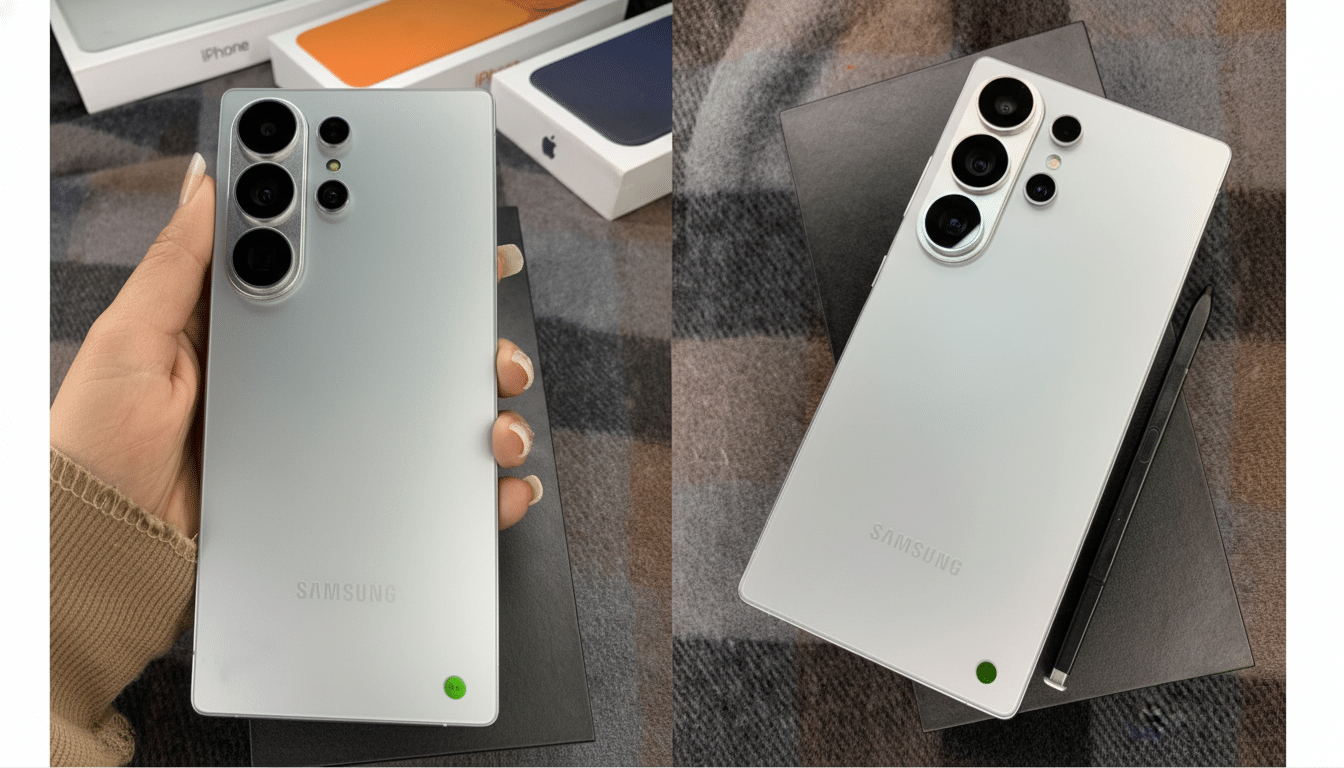
Timing-wise, industry chatter points to a late-February Unpacked with retail availability in March. That cadence aligns with Samsung’s playbook and, for habitual upgraders, sets clear expectations for when these features could become real decisions.
Anti-Reflective Glass And Real Privacy On Display
Samsung’s rumored new glass may be the sleeper hit. The S26 Ultra is tipped to ship with an updated Gorilla Glass formulation that layers anti-reflective and non-polarized light tech with a built-in privacy effect. Corning’s Gorilla Armor on the S24 Ultra already cut screen reflections dramatically — the company cited up to a 75% reduction versus standard glass — and it was one of the year’s most underrated quality-of-life upgrades. If the S26 layer adds privacy filtering that dims side angles without wrecking color fidelity, that’s a meaningful, daily improvement for commuters and frequent flyers.
The non-polarized design also matters more than it sounds. Anyone who’s tried to read a phone with polarized sunglasses knows the rainbow shimmer and weird blackout angles. A display engineered to avoid those artifacts is the kind of small refinement that adds up after hundreds of glances a day.
Battery Tech That Could Change Daily Habits
Battery rumors are where the S26 could truly separate. Multiple leaks point to stacked-cell architecture and a capacity jump to roughly 5,500mAh on the Ultra — larger than mainstream rivals — paired with faster top-off charging, reportedly hitting 0% to 75% in about 30 minutes. For context, last year’s premium flagships generally sat around 5,000mAh, with many needing 30 minutes or more just to break 50% depending on charger and thermal limits.
Stacked cells aren’t just about size; they improve power density and heat distribution, which can translate to better longevity under fast charging. If Samsung balances this with sensible thermal management and adaptive charging that eases current past 80%, users could see both speed and lifespan improve — a rare win-win in phone batteries.
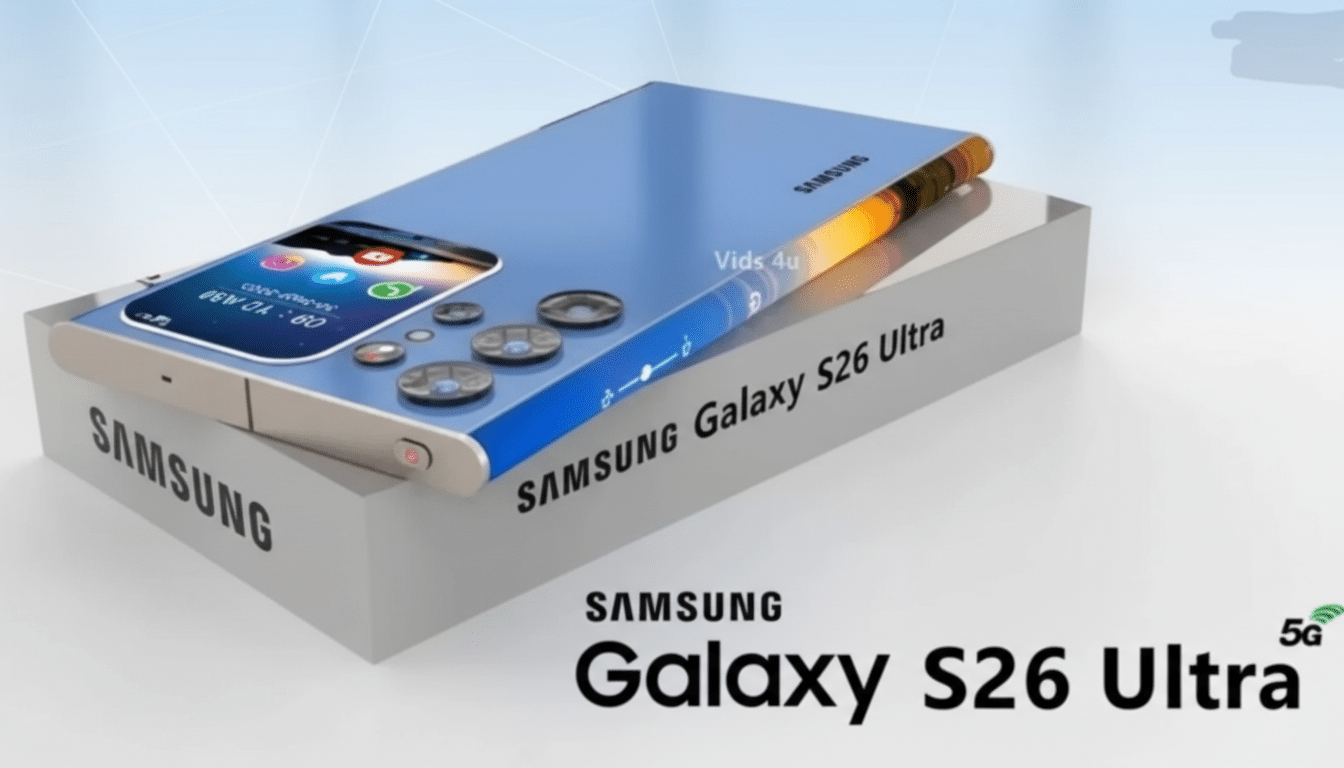
Snapdragon 8 Elite Gen 5 And On-Device AI
On the silicon front, the Galaxy S26 Ultra is widely rumored to run Qualcomm’s Snapdragon 8 Elite Gen 5, with debate about whether the entire series will standardize on it. Qualcomm’s recent flagship chips have leaned hard into efficiency gains and dedicated AI engines, shrinking the performance gap with Google’s Tensor on tasks like live transcription, image processing, and smart replies. If Samsung ships a unified Snapdragon lineup in key markets, that consistency could appeal to power users who don’t want to gamble on a split-chip strategy.
AI horsepower isn’t just marketing. It underpins real features like background object removal, cleaner night video, and on-device summarization. If Samsung marries that with a maturing Galaxy AI suite and an improved modem for steadier 5G performance, the everyday experience tightens in ways that are hard to give up once you’ve tasted them.
Software Promises And Truly Long-Term Support
Samsung’s update policy already matches Google’s top-tier commitment, with seven years of OS and security updates on recent flagships. That erases another historical Pixel advantage. One UI still ships with duplicate apps, and some users will want to declutter on day one, but the company’s pace of feature drops and security patches has been reliable. For a device likely to stay in hand longer, that matters as much as raw specs.
What Could Still Hold Me Back From Switching
Camera tuning is the big unknown. Pixels lean into natural tone and restrained sharpening, while Samsung traditionally favors brighter, punchier outputs. Rumors haven’t pinned down sweeping sensor changes for the S26, so the leap may come from processing rather than optics. If Samsung dials back the overprocessing and delivers consistent skin tones across lenses, that would remove one of the last reasons I stick with Pixel by default.
There’s also the risk that some features stay Ultra-exclusive, or that regional chipset splits return for non-Ultra models. Those details can turn a near-perfect lineup into a game of trade-offs.
The Bottom Line On These Samsung Galaxy S26 Rumors
None of this is official yet, but the signal in the noise is hard to ignore: a tougher, less reflective screen with privacy baked in, meaningfully better battery life and charging, flagship-grade AI compute, and Pixel-like call protection. For a longtime Pixel owner, that combination hits the exact friction points I feel every day. If Samsung confirms even most of these S26 rumors, my next upgrade conversation shifts from “why switch?” to “why not?”