


I’ve used an iPhone for years, but the latest Samsung Galaxy S26 rumors are the first in a long time that truly feel switch-worthy. The chatter isn’t just about specs on a slide—it’s a cluster of practical upgrades that could change how I use a phone every day, from privacy and durability to video quality and AI safety.
Next-Gen Silicon and Meaningful Battery Life Improvements
US models are widely expected to ship with Qualcomm’s Snapdragon 8 Elite Gen 5, a chip Qualcomm is positioning as the world’s fastest mobile SoC. If vendor demos translate into real-world gains, that means better graphics, quicker on-device AI, and—critically—higher efficiency for longer battery life. The last Snapdragon generation already pushed sustained AI throughput and thermals forward; a step change again would make marathon days and travel far less stressful.
- Next-Gen Silicon and Meaningful Battery Life Improvements
- Privacy Display and Tougher Glass for Daily Use
- Camera and Video That Challenge iPhone Dominance
- Smarter Safety Features and Practical AI Perks
- Design, Software Refinements, and Long-Term Support
- What Could Seal the Deal for Potential iPhone Switchers
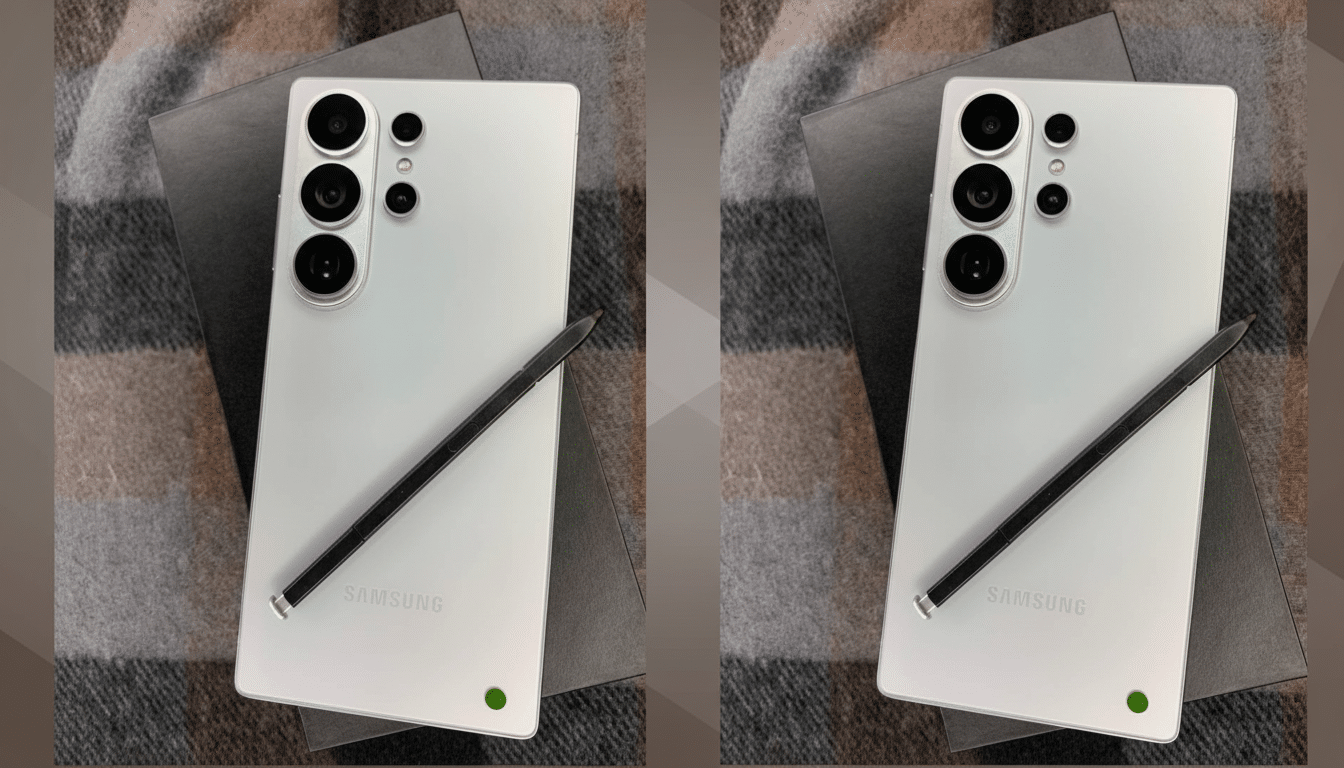
Performance alone doesn’t sway me anymore, but an NPU that can handle complex tasks fully on-device does. Faster local transcription, image generation, and photo cleanup with no cloud round-trip can feel meaningfully instant. If Samsung marries that to smarter power management, the S26 could realistically outlast a typical iPhone day without anxiety juggling cables and battery packs.
Privacy Display and Tougher Glass for Daily Use
One of the most intriguing leaks, highlighted by Ice Universe, is a built-in Privacy Display that narrows viewing angles to shield your screen in crowds. Today, you buy a separate filter that dulls brightness and blurs colors. If Samsung bakes that control into the panel and maintains clarity head-on, it’s an everyday quality-of-life upgrade for commuters and frequent flyers that Apple hasn’t matched.
Durability rumors point to a new cover glass formula that could make screen protectors unnecessary. For context, Corning’s Gorilla Glass Armor—used previously on premium models—advertised roughly 4x better scratch resistance than competing aluminosilicate cover glass and up to 75% lower reflectivity. If the S26 moves the bar again with better scratch performance and reduced glare outdoors, that’s money saved and fewer compromises on touch and clarity.
Camera and Video That Challenge iPhone Dominance
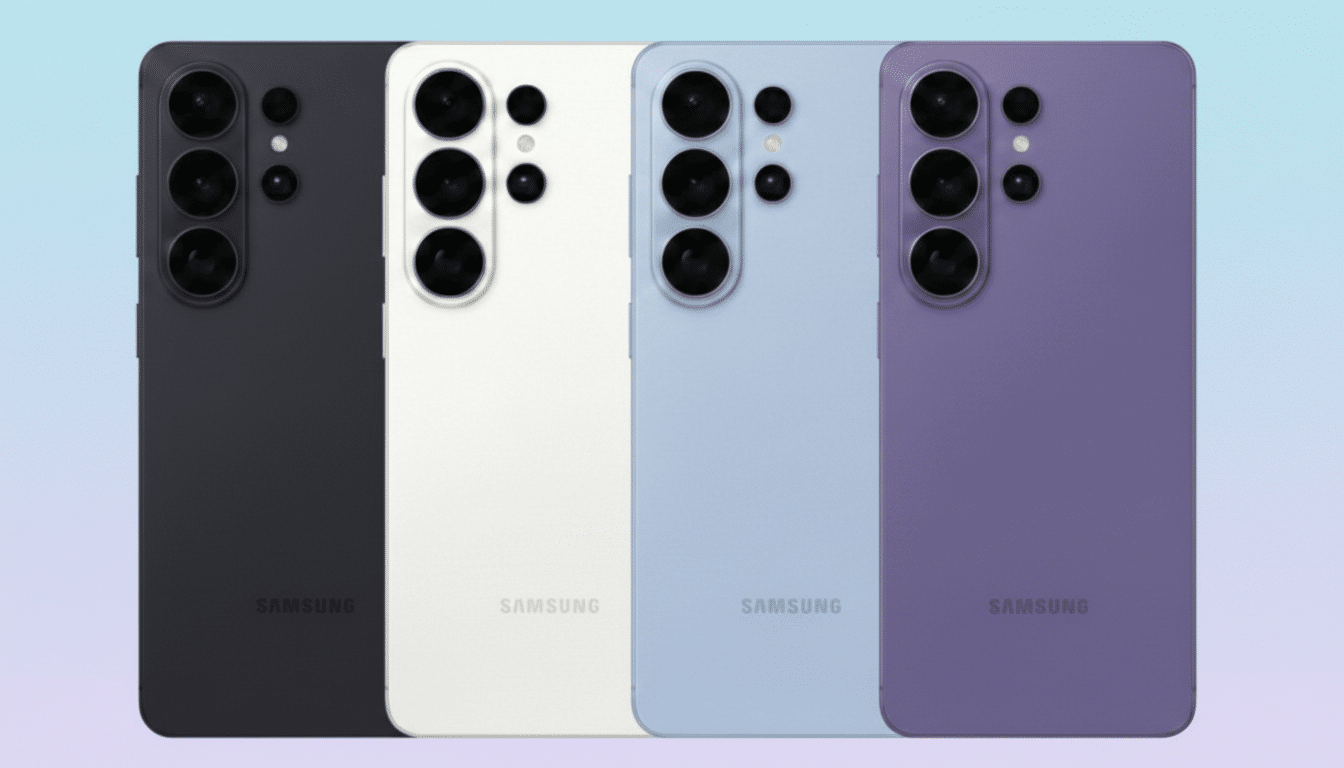
Photography parity at the flagship level is real—recent iPhone and Galaxy flagships trade blows depending on the scene. Early S26 whispers suggest a larger aperture on the main sensor and a refreshed 3x telephoto, with the new Qualcomm ISP doing heavier computational lifting. Low-light and mid-zoom performance are where I notice the biggest gaps during daily reporting; incremental hardware paired with smarter processing could close them.
For video, the ask is simple: match or beat the iPhone’s reliable 4K HDR pipeline and deliver a better selfie camera. 8K remains a party trick for most workflows; I’d rather have rock-solid 4K HDR with consistent exposure, reduced rolling shutter, and cleaner skin tones. If Samsung nails face tracking and color stability between lenses, that alone is enough to sway creators and journalists who shoot on the fly.
Smarter Safety Features and Practical AI Perks
Android Authority has reported that Google’s excellent Scam Detection feature, previously limited to Pixel devices, could land on the S26. Unlike simple spam flags, it looks for behavioral red flags—think requests for gift cards or one-time passcodes—and proactively warns you mid-call. That kind of real-time intervention is the most meaningful use of AI on a phone: subtle, private, and protective.
Samsung has also bundled AI subscriptions with recent launches, and speculation points to a repeat—possibly a multi-month trial of Google’s paid AI suite, typically priced at $19.99 per month. With rumors of a global memory crunch potentially nixing the traditional double-storage pre-order perk, a richer AI bundle would be a savvy make-good that fuels adoption of on-device and cloud-assisted features out of the box.
Design, Software Refinements, and Long-Term Support
On the software side, a more refined One UI—reportedly 8.5—looks likely to double down on cleaner visuals and simplified settings without losing power features. The bigger story for switchers, though, is support lifespan. Samsung committed to seven years of OS and security updates on its premium line recently, matching the best in Android; if the S26 continues that policy, it defuses the old resale and longevity concerns that used to keep me in Apple’s orbit.
Add in maturing ecosystem niceties—RCS baked into Messages, seamless Quick Share with PCs, and robust eSIM management—and the day-to-day friction of moving platforms keeps shrinking. The calculus becomes less about what you give up and more about which set of conveniences suits your life.
What Could Seal the Deal for Potential iPhone Switchers
If Samsung pairs the rumored Privacy Display and tougher glass with a clear win in 4K HDR video, stronger low-light photos, Scam Detection, and an aggressive AI trial, it’s a compelling package. Keep the price competitive, maintain seven years of updates, and offer a sensible base storage tier, and the S26 stops being a spec sheet and starts being an easy recommendation—even for someone deep in the iPhone ecosystem.
Rumors aren’t guarantees, but the trend line is hard to ignore: practical features that solve real problems. If Samsung delivers on even most of this list, I may finally have my reason to switch.