


Samsung’s latest midrange play lands at a tempting price, but the Galaxy A56 5G finds itself squeezed by fiercer, smarter competition. It’s a well-built $500-class phone with a bright AMOLED display, long battery life, and a refreshed design — yet the best alternatives around it simply do more, or do the same things faster.
A Midrange Design With A Flagship Tease
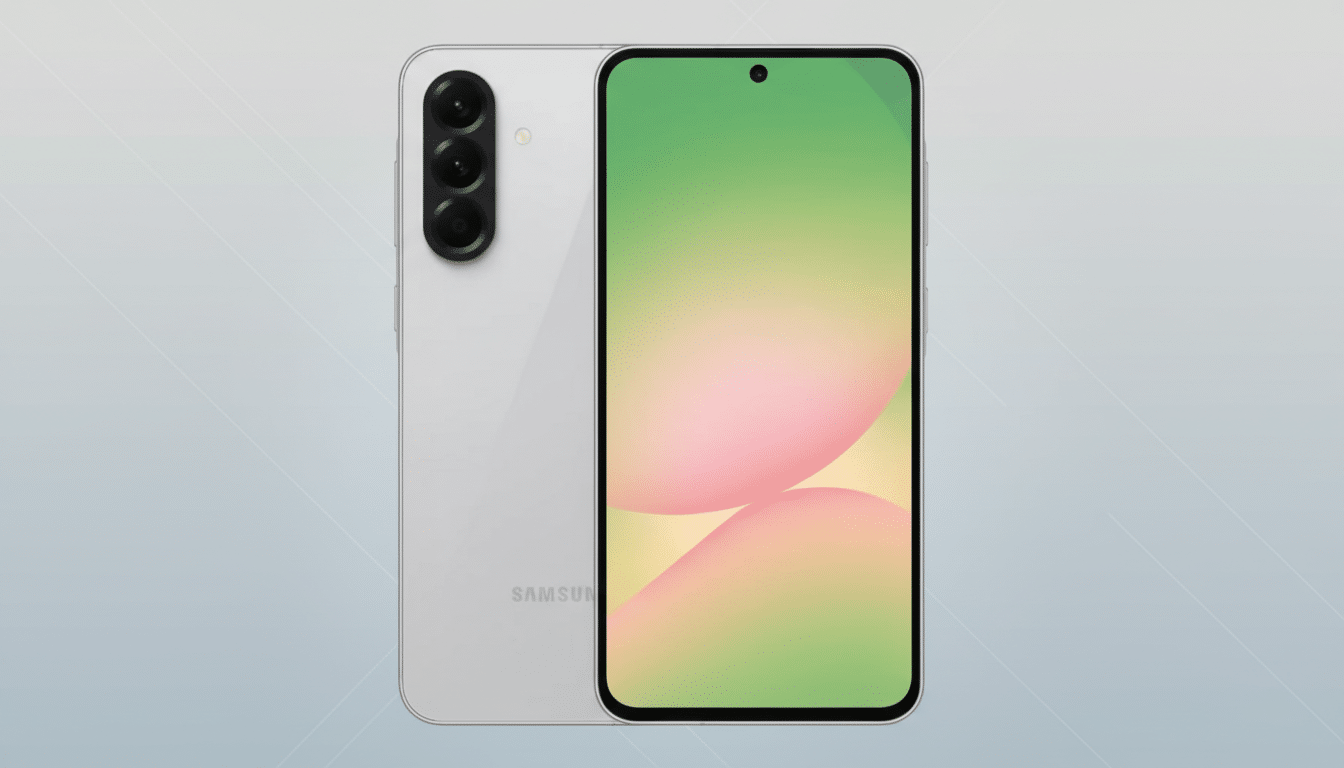
After several minimalist generations, Samsung brings back a proper camera bump — a pill-shaped island housing three sensors — and the change gives the A56 some long-missing personality. The Gorilla Glass Victus Plus back and aluminum frame feel sturdier than most phones at this price, while the IP67 rating adds welcome peace of mind.
- A Midrange Design With A Flagship Tease
- Performance Trails Despite Solid Stability
- Battery Life And Charging Impress But Miss Features
- Cameras Deliver Basics Yet Miss Versatility
- Software And Support Commitments For The Galaxy A56 5G
- Better Options At This Price Make The A56 A Tough Sell
- Verdict: A Solid Midranger Outclassed By Its Competition
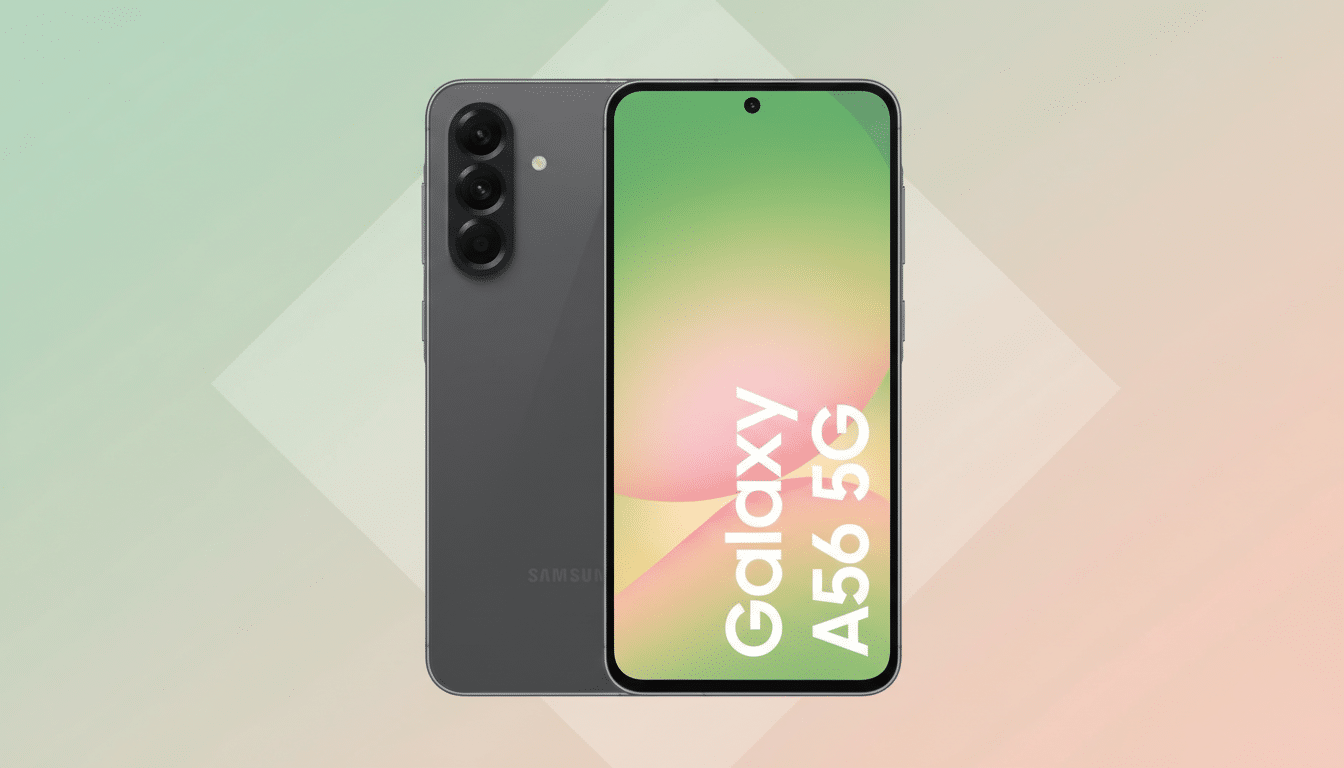
The 6.7-inch Super AMOLED panel is classic Samsung: punchy colors, deep blacks, and enough brightness to stay legible outdoors. It’s a reminder that, even in the midrange, Samsung’s display chops remain a competitive advantage. The glossy rear still loves fingerprints, but overall ergonomics are comfortable if a bit squared off.
Performance Trails Despite Solid Stability
The Exynos 1580 keeps daily tasks flowing, but this is where the A56’s value case blurs. The base 6GB of RAM and 128GB of storage feel dated against rivals that start at 8GB/128GB or 12GB/256GB. In Geekbench 6, CPU scores lag behind Google’s Pixel 9a and OnePlus 13R, though PCMark Work 3.0 shows the Exynos can handle mixed workloads with steady efficiency.
Graphics are the bigger concern. In 3DMark Wild Life, the A56 trails its peers, underlining that this is a phone for casual gaming, not high-refresh action. Stability is commendably consistent across stress loops — the phone doesn’t nosedive under sustained load — but its ceiling is lower than Snapdragon and Tensor competitors. Primate Labs and UL benchmarks aren’t everything, yet the deltas show up in real life when multitasking or updating large games.
Battery Life And Charging Impress But Miss Features
A 5,000mAh cell delivers dependable longevity. Expect a full day and a half with mixed use, and two lighter days if you’re gentle. In controlled rundown testing, it outlasts Google’s midranger in several legs, helped by Samsung’s conservative tuning and that efficient display pipeline.
Wired charging jumps to 45W, trimming a full charge to roughly 75 minutes in our experience. That’s quick enough, but the omission of wireless charging stings now that some similarly priced rivals include it. You’ll need a compatible 45W PPS adapter to hit peak speeds; otherwise, expect slower top-ups.
Cameras Deliver Basics Yet Miss Versatility
The 50MP primary camera is the highlight, matching the sensor size and aperture used on pricier Samsung models and producing crisp, well-exposed shots in daylight. Color tuning has matured — greens and reds no longer glow neon — and skin tones skew more neutral than in older Galaxy A phones. Low light is respectable, though the software occasionally brightens skies and lifts shadows a touch too aggressively.
The ultrawide is serviceable for architecture and group shots but can’t match the main camera’s detail or dynamic range. The 5MP macro is the weak link: tricky focus, heavy saturation, and results that most people won’t miss if they never open the mode. Without a telephoto, zoom tops out at 10x digital, and sharpness falls off fast past 4x. Video capture hits 4K at 30fps on both front and rear, but the lack of 4K60 and higher-frame-rate 1080p puts it behind the Pixel 9a’s flexible suite.
Software And Support Commitments For The Galaxy A56 5G
One UI remains one of the most customizable Android skins, with robust privacy controls, polished themes, and useful extras like Secure Folder. Samsung’s update commitment for the A series has grown stronger in recent years, and while premium models now tout seven years, the A56 still benefits from a long support window compared with many budget brands. That said, Google and Samsung’s own Fan Edition line leverage broader AI features and longer timelines that may age better.
Better Options At This Price Make The A56 A Tough Sell
This is the A56’s fundamental problem: the $400–$600 band has become the most hotly contested slice of the market, a trend flagged repeatedly by analysts at Counterpoint Research and IDC. Against that backdrop, “good enough” no longer cuts it. The Pixel 9a brings stronger computational photography, 4K60 video, and a longer update promise. OnePlus 13R offers flagship-class Snapdragon power, faster wired charging, and more RAM for similar money, even if its support policy is shorter.
Most awkward of all, Samsung’s own Galaxy S25 FE sits only about $150 higher, with a faster chipset, richer camera setup, and a fuller slate of long-term software and AI features. Spend a bit more and you feel the upgrade immediately; spend a bit less on Samsung’s lower A-series and you accept clearer compromises for the savings.
Verdict: A Solid Midranger Outclassed By Its Competition
The Galaxy A56 5G is a solid phone priced sensibly, but the bar in this category has moved. If you value a bright display, sturdy build, IP67, and reliable battery life, it won’t let you down. If you want the best camera, the fastest performance, or the longest support, better choices are a click away — including from Samsung’s own stable.