


As part of a new Brain Health feature, Samsung is testing the ability for its phones to analyze day-to-day signals — from how you walk and how you sleep and even how your voice sounds — to determine early signs associated with cognitive decline. It’s an aggressive move to make a common wearable and a phone into a front-line screen for dementia risk, a space where consumer tech has mostly tiptoed.
What the New Feature Offers for Early Dementia Detection
Brain Health was created in-house and is currently being clinically validated with medical partners, according to Korea’s ChoSun Biz.
- What the New Feature Offers for Early Dementia Detection
- Why Early Signals Matter for Detecting Cognitive Decline
- The Science of Gait, Voice, and Sleep in Cognitive Health
- Promise Meets Caveats in Consumer Dementia Screening
- Data Security and On‑Device Intelligence for Sensitive Signals
- How It Fits in the Wearables Race and Health Monitoring
- What to Watch Next as Samsung Tests Brain Health Tools
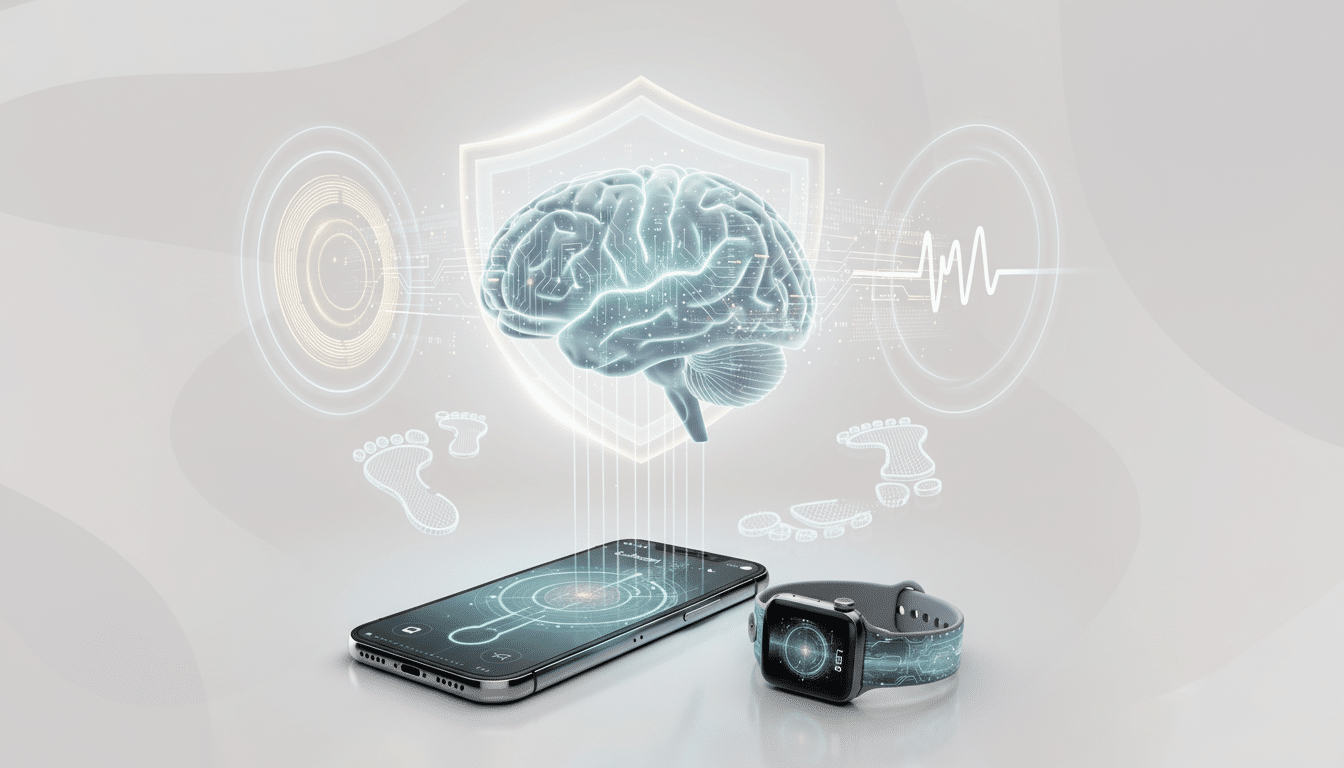
The software will make use of gait patterns gathered through motion sensors, vocal characteristics recorded by microphones, and sleep metrics — all the way from timing to degree of fragmentation — to pick up changes that coincide with cognitive change.
The company is also expected to give a preview of the feature at CES with an experience for attendees. Early references indicate it won’t diagnose disease; rather, it will surface risk signals and suggest preventive guidance as well as personalized brain-training exercises designed to slow decline.
Why Early Signals Matter for Detecting Cognitive Decline
The World Health Organization calculates the number of people living with dementia worldwide to be over 55 million, with nearly 10 million new cases annually. For years, the Alzheimer’s Association has warned that most people are diagnosed in late stages, after any meaningful brain changes have occurred — shrinking a window of time for intervention and care planning.
Early detection is not treatment, but it can alter results. The Lancet Commission estimates that as many as 40% of cases of dementia can be traced to modifiable risks like hearing loss, hypertension, physical inactivity, and social isolation. When people know their risk earlier, they have more time to address those factors with clinicians.
The Science of Gait, Voice, and Sleep in Cognitive Health
Gait is a strong digital biomarker. Studies published in Neurology and other journals suggest that slow walking speed and a large “variability” of step to step — slower, then faster, etc. — are associated with cognitive impairments down the line, even in people without overt dementia or other signs of frailty. Wearables are well-equipped to nab those subtle differences over the weeks and months.
Voice might be just as telling. Researchers at academic laboratories and startups have demonstrated that pauses, pitch changes, and voice quality can provide subtle clues to elevated stress, depression, and the presence of mental health issues. Research funded by institutions including the National Institute on Aging and work done with collaborators at the Mayo Clinic have shown that machine-learning models trained on speech samples can potentially be used to differentiate between healthy aging and early stage impairment.
Sleep is another window into brain health. Fragmented sleep, diminished slow-wave sleep, and disrupted circadian timing have all been connected to more precipitous cognitive declines in studies published in JAMA and Science. Wearables can’t reproduce a clinical polysomnogram, but long-term trends may still be quite helpful.
Promise Meets Caveats in Consumer Dementia Screening
No home system can take the place of the clinical exam. Sensitivity and specificity will be crucial: a tool that’s too trigger-happy could inflate anxiety and overburden primary care, while one with low sensitivity might give false reassurance. Even when a rollout becomes possible, it will probably need to be closely labeled, checked region by region for regulatory approval, and studied rigorously after market launch.
There’s also the issue of what “brain training” can actually provide. In the largest studies, such as the ACTIVE trial, targeted cognitive training led to improvements in specific tasks and some lasting functional gains, but results are inconsistent. The best prevention strategies continue to look holistic: treat hearing loss, manage blood pressure, get regular physical exercise, and stay socially engaged. Interestingly, the ACHIEVE trial discovered that hearing interventions reduced cognitive decline in a high-risk group by 48% over three years.
Data Security and On‑Device Intelligence for Sensitive Signals
Voice and movement data is extremely sensitive. Privacy advocates will demand on-device processing, explicit consent, and data minimization by default. Health data governance should conform to expectations established by models like GDPR and HIPAA, with clear model performance metrics and the ability to opt out without disabling core device features.
Other features that Samsung has emphasized include on-device analysis, and so have other rivals; for example, some voice-biomarker companies process signals locally to prevent them from needing to send raw audio to the cloud. Whether Brain Health will follow that playbook is one detail to keep an eye on.
How It Fits in the Wearables Race and Health Monitoring
Tech platforms already monitor arrhythmias, falls, and the risk of sleep apnea. Apple measures Walking Steadiness; Fitbit clears irregular heart rhythm notifications in various countries. But until now, none of the mainstream wearable devices have provided a cost-effective, consumer-friendly feature to assess dementia risk at scale. If Samsung’s claims of clinical validation pan out, Brain Health could be a new benchmark for proactive neuro-wellness.
What to Watch Next as Samsung Tests Brain Health Tools
Independent validation will matter more than flashy demos. Search for published, peer-reviewed results, hospital partnerships strong enough to support a substantial number of true positives, and clear reporting of false positive and false negative rates. Equally important: how guidance moves into action — referrals to clinicians, integration with hearing screenings, blood pressure management, activity coaching, and caregiver support.
If Samsung does it right — basing alerts in evidence, protecting data, and establishing realistic expectations — Brain Health might help millions begin the difficult conversation about cognition earlier, when it is most effective.