


Samsung has confirmed a sweeping upgrade to Bixby in One UI 8.5, recasting the assistant as a conversational, task‑oriented agent that can understand natural language, manage complex device settings, and tap live web data without bouncing users to a browser. The rollout is expected to coincide with the launch of the next Galaxy flagships, signaling a major bet on first‑party AI inside the Samsung ecosystem.
The company’s latest announcement follows a One UI 8.5 beta build that quietly flagged a “Bixby version update.” It also comes after a previously posted and then pulled company blog entry that described an integration with Perplexity for AI‑powered web responses. While the new statement omits that partner by name, the feature set points to the same capabilities, now polished and closer to prime time.
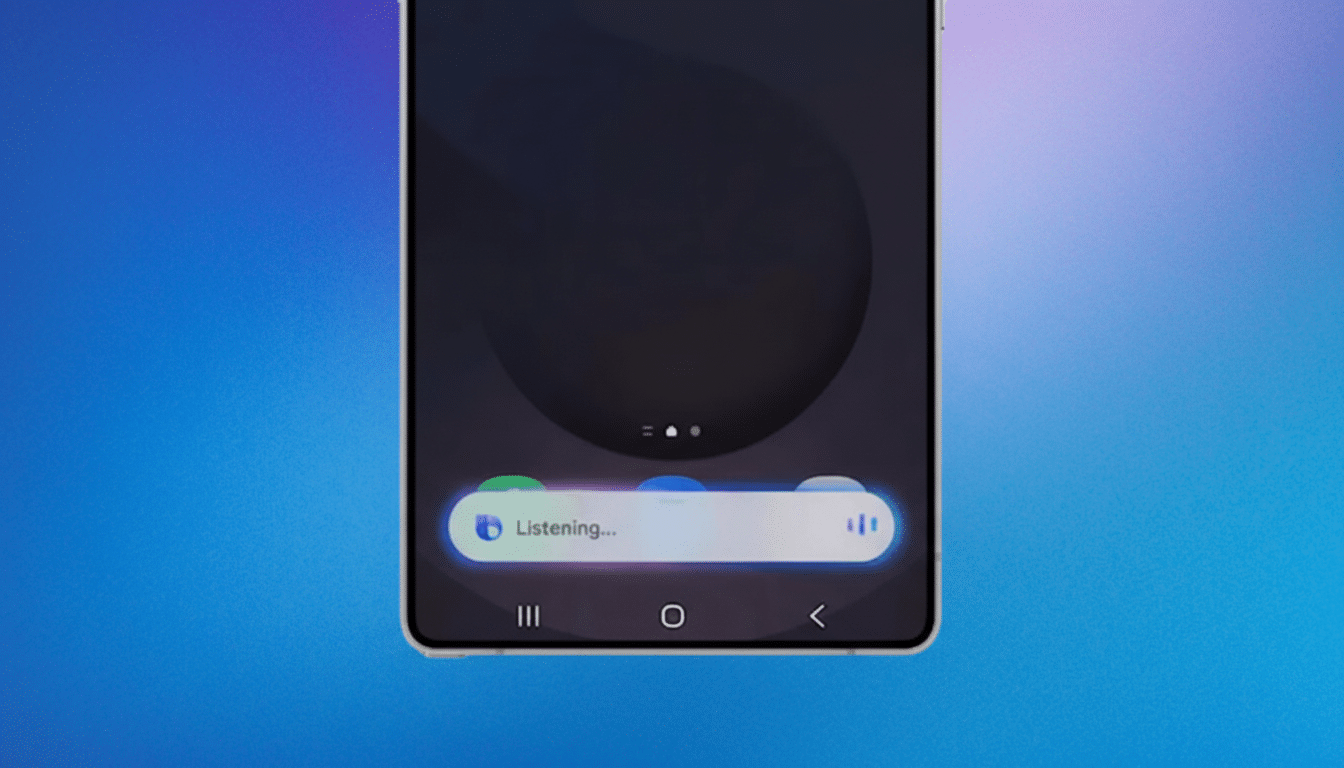
What Makes Bixby Agentic and Capable of Complex Tasks
Agentic assistants do more than answer questions; they execute. Samsung says the refreshed Bixby will parse open‑ended requests, infer intent, and carry out multi‑step adjustments on your behalf. Instead of hunting through submenus, you can tell Bixby how you want the phone to behave and let it implement the changes.
Consider a real example: “When I start a workout, keep the screen on, turn on Do Not Disturb, and boost brightness outdoors, but lower it for video playback.” The new Bixby is designed to confirm your intent and apply all those settings in one go—spanning Quick Settings toggles, system preferences, and app‑level options. That is a notable pivot from a command‑and‑control model to proactive device orchestration.
Natural language understanding underpins the shift. Samsung says Bixby can interpret imperfect phrasing, follow context across back‑and‑forth chat, and troubleshoot issues (“My battery is draining fast”) by proposing causes and applying fixes. The assistant’s interface supports voice and text, so users can tap through suggestions or type refinements without restarting a query.
Real‑Time Web Access Built Into Bixby for Live Results
Another cornerstone is live web retrieval. When a request requires fresh information—say, comparing transit schedules or summarizing evolving news—Bixby can fetch results in real time and present them directly in its overlay. This avoids context‑breaking app switches and lets users pin or act on results immediately.
Samsung previously credited an AI search partner for this capability before removing that reference, and it still has not detailed the underlying stack. Regardless of the provider, the company’s approach is to surface concise, actionable answers, not just links. Expect guardrails: source transparency, response citations, and clear prompts when a task will leave the device or access personal data.
Availability and rollout across markets and eligible devices
Samsung indicates the new Bixby will land first in select markets, including Germany, India, Korea, Poland, the UK, and the US, with broader expansion planned. As with prior One UI releases, features may vary by region, language, and device eligibility. Beta testers have already seen the groundwork via the latest One UI 8.5 build, where the Bixby upgrade is referenced explicitly.
The company positions this release as the next phase of personal AI on Galaxy—complementing its recent on‑device and cloud‑assisted features for translation, note taking, and image editing. Tight integration with core system services suggests the agentic Bixby will be most capable on newer hardware while still offering meaningful gains for supported existing models.
Why it matters for Samsung and the wider Android ecosystem
Bixby has long trailed Alexa, Siri, and Google’s assistants in everyday use, but Samsung’s scale gives it a unique beachhead: hundreds of millions of Galaxy devices and a deep hardware stack from phones to wearables to TVs and appliances. An assistant that can reliably change settings, chain tasks across apps, and leverage live information could become the glue for that ecosystem.
It also reframes the Android assistant landscape. Google is pushing Gemini as a conversational layer across services, while Amazon has previewed a generative Alexa capable of multi‑turn, multi‑modal exchanges. Samsung’s play is differentiation through device agency: let the assistant not only answer but act, with fine‑grained control that third‑party apps often cannot match on a Samsung phone.
What to watch next as Samsung rolls out agentic Bixby
Real‑world performance will hinge on latency, accuracy, and trust. Users will want to see quick responses, clear confirmations before sensitive changes, and transparent handling of web sources. Battery impact and offline fallbacks matter too, especially if on‑device models handle intent while the cloud handles retrieval.
Developers will be watching for APIs that let apps expose capabilities to Bixby’s agent, enabling cross‑app workflows. If Samsung pairs that with robust privacy controls and predictable behavior, the upgraded Bixby could shift from a seldom‑used toggle to a daily driver for Galaxy owners—an assistant that finally earns its spot on the power key.