


Samsung has quietly introduced the Galaxy A07 5G, its most affordable 5G handset to date, and paired it with a headline-grabbing promise: six generations of Android OS updates. For a device expected to sell well under the midrange bracket, that level of software support has typically been reserved for premium phones.
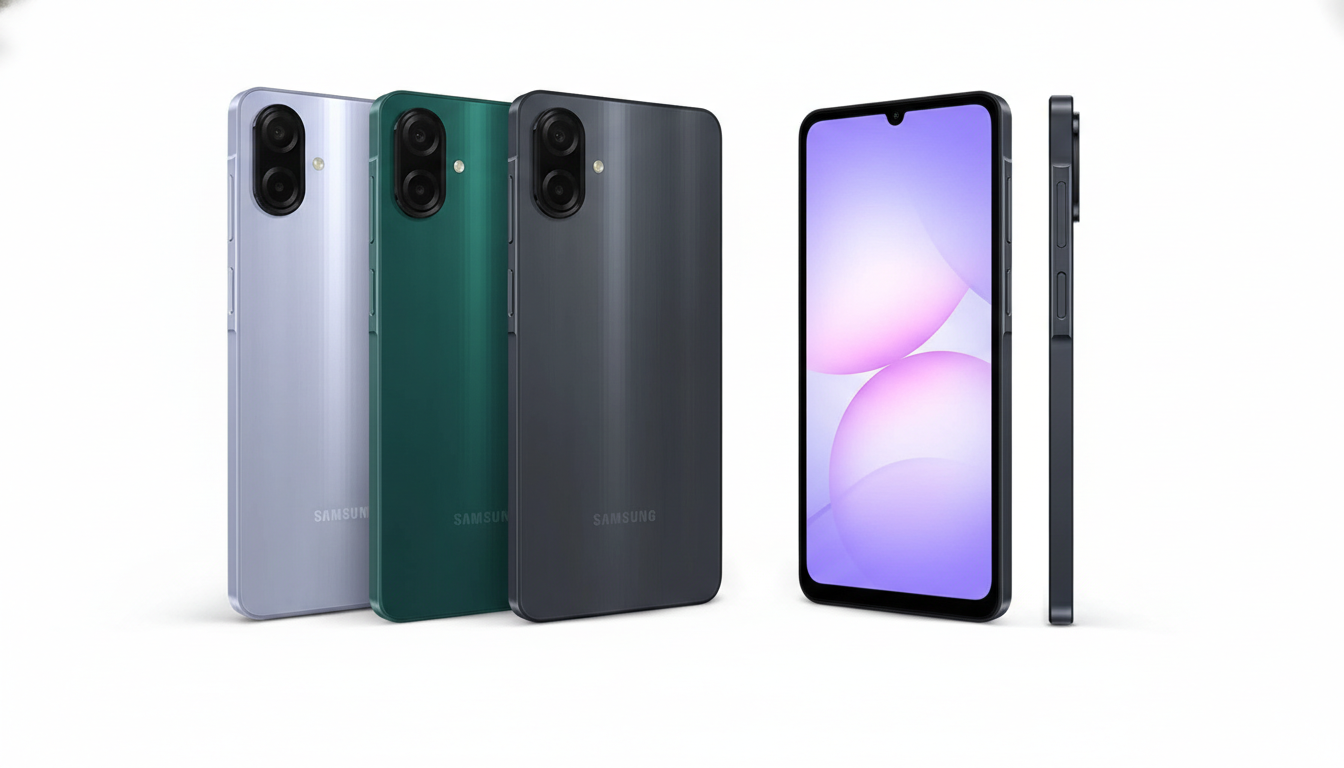
The phone first appeared on Samsung’s Thailand website, signaling a regional rollout before broader availability. It mirrors the 4G sibling’s minimalist design but adds a faster 120Hz display and a long-haul update roadmap that could redefine what buyers expect from entry-level 5G.
Six Years Of Updates Hit The Budget Tier
Samsung says the Galaxy A07 5G launches with One UI 8 based on Android 16 and will receive six OS upgrades, stretching support through the equivalent of Android 22. That commitment rivals or exceeds policies from many higher-priced competitors, and it is unusual at this price point where two or three upgrades have been the norm.
The move follows an industry trend toward longer support windows, with top-line devices from Google and Samsung pushing multi-year updates. Independent tracking from outlets that monitor update policies shows many brands still cap flagships at four OS upgrades and budget models at far less. Bringing six OS generations to an entry device widens the gap and could pressure rivals to follow suit.
Longer support matters for more than bragging rights. Analysts at IDC have noted that budget and midrange phones account for the majority of global shipments, and consumers are holding onto devices longer. Extended OS updates mean improved security, continued app compatibility, and better resale value—all without raising the barrier to entry.
Hardware Keeps It Sensible With Practical Choices
The A07 5G leans on proven components rather than headline-grabbing specs. It uses a 6.7-inch IPS LCD that now refreshes at 120Hz, up from 90Hz in the prior generation. Brightness is rated at 800 nits in high-brightness mode, and the panel retains a U-shaped notch—an aesthetic concession that keeps costs down while delivering smoother scrolling and better gaming responsiveness.
Under the hood sits the MediaTek Dimensity 6300, paired with 4GB or 6GB of RAM. Storage is a single 128GB configuration, and microSD expansion up to 2TB remains a standout feature in an era when expandable storage is increasingly rare. Power comes from a 6,000 mAh battery with 25W wired charging; on paper, that capacity should easily cover a full day of heavy use and often two for lighter users.
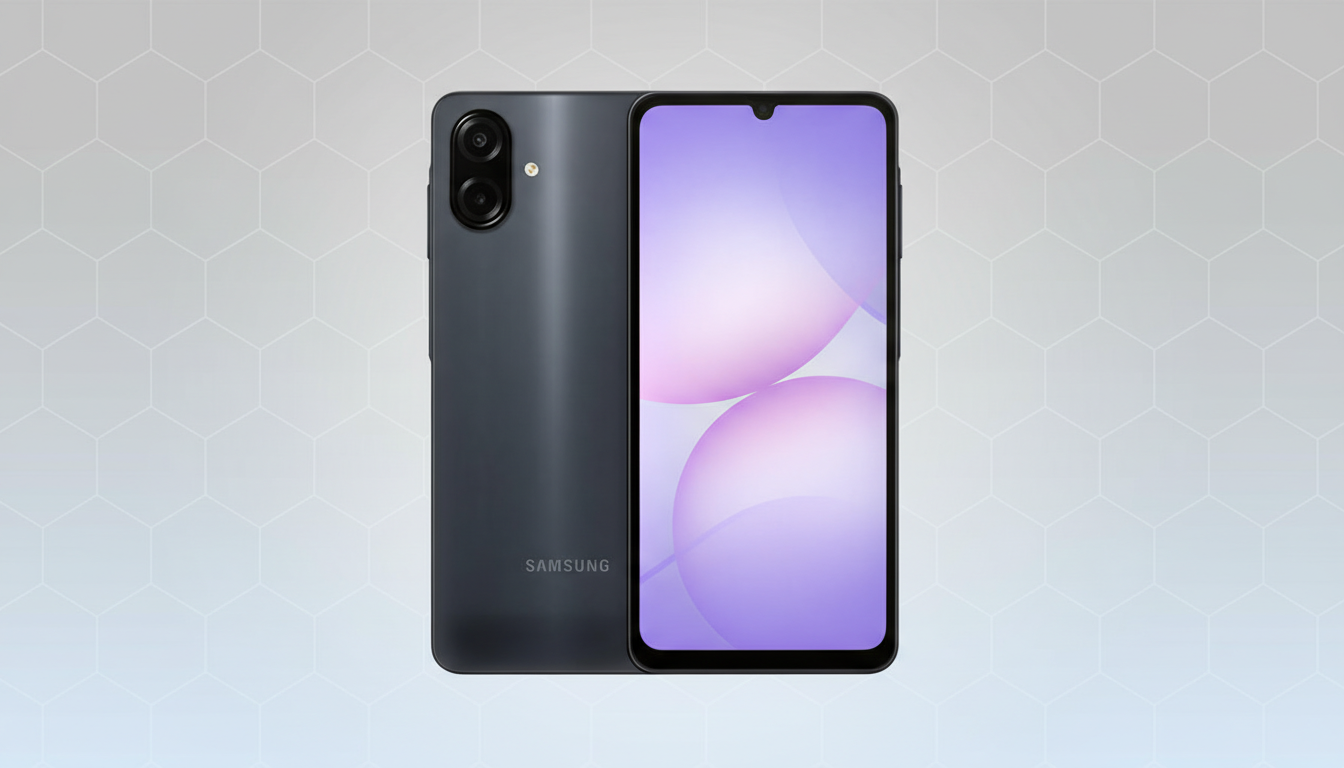
The rear design gets a subtle refresh with a cleaner camera island, but the core imaging hardware returns: a 50MP main camera supported by secondary sensors. Expect emphasis on daylight clarity and social-ready shots rather than advanced low-light or telephoto tricks, which stays consistent with the budget-first strategy.
Pricing And Availability Signal A Volume Play
In Thailand, the Galaxy A07 5G is listed at 5,499 THB for the 4GB model and 5,999 THB for the 6GB option, roughly $175 to $190 based on recent exchange rates. That pricing pushes 5G, a high-refresh screen, and a long update runway into territory traditionally dominated by short-lived devices.
Samsung has not confirmed wider availability. The previous generation found its way to multiple markets, including carrier channels, so expansion is plausible—but not guaranteed. If or when it arrives elsewhere, expect aggressive promotions from operators eager to entice switchers with free-or-low-cost 5G phones on contract.
Why This Matters For Buyers And Industry Rivals
For shoppers, six OS upgrades on a budget 5G phone offers rare peace of mind. It lowers total cost of ownership, keeps the device safer for longer, and reduces the pressure to upgrade annually. That aligns with sustainability goals frequently cited by policymakers and repair advocates and echoes the direction of recent right-to-repair and durability discussions across Europe and beyond.
For the industry, it’s a signal that long-term support is becoming table stakes, not a luxury. While premium models may still lead with 7-year promises or specialized AI features, the Galaxy A07 5G demonstrates that reliable longevity can—and arguably should—trickle down. Competitors that continue to limit updates in the budget segment may find it harder to justify short timelines when a sub-$200 phone can stay current for most of the decade.
If real-world performance holds steady with the Dimensity 6300 and 6,000 mAh battery, the A07 5G could become the default recommendation for buyers who value endurance and long-term support over bleeding-edge specs. That would be a notable shift in a crowded market where longevity, not just launch-day features, is increasingly the differentiator.