


The use of mining products and drilling tools is integral to the extraction of natural resources. However, the inherent risks associated with their use make safety a paramount consideration for operators and supervisors alike. In recent years, technologies such as mining fleet automation have been developed to enhance safety and efficiency. While these advancements have considerably reduced human intervention in some areas, it is crucial to remain vigilant and adhere to stringent safety measures in day-to-day operations.
Understanding the Risks
Mining operations are fraught with potential hazards that can lead to serious accidents or even fatalities. These risks include exposure to dust, noise, and vibrations, as well as the dangers posed by heavy machinery and manual handling of tools. Identifying these risks early helps in developing targeted strategies to mitigate them effectively, ensuring that safety protocols are not only in place but are robust and adhered to by all personnel.
Implementing Training Programs
Comprehensive training is a critical component of any safety strategy in the mining industry. This includes regular safety drills, practical hands-on training, and classroom-based learning that cover the theoretical aspects of safety. Training programs should be updated regularly to incorporate new technologies and techniques that enhance safety, such as how to safely work alongside automated mining equipment. The objective is to ensure that every team member is well-versed in operating drilling tools and mining machinery safely.
Regular Maintenance of Equipment
Proper maintenance of mining tools and drilling equipment is essential to prevent malfunctions that could lead to accidents. Scheduled maintenance and inspections should be conducted by qualified technicians to ensure that all components are in optimal working condition. This preventative approach helps to identify potential issues before they escalate into larger problems, enhancing the overall safety for workers operating or working near these machines.
Utilising Safety Gear and Equipment
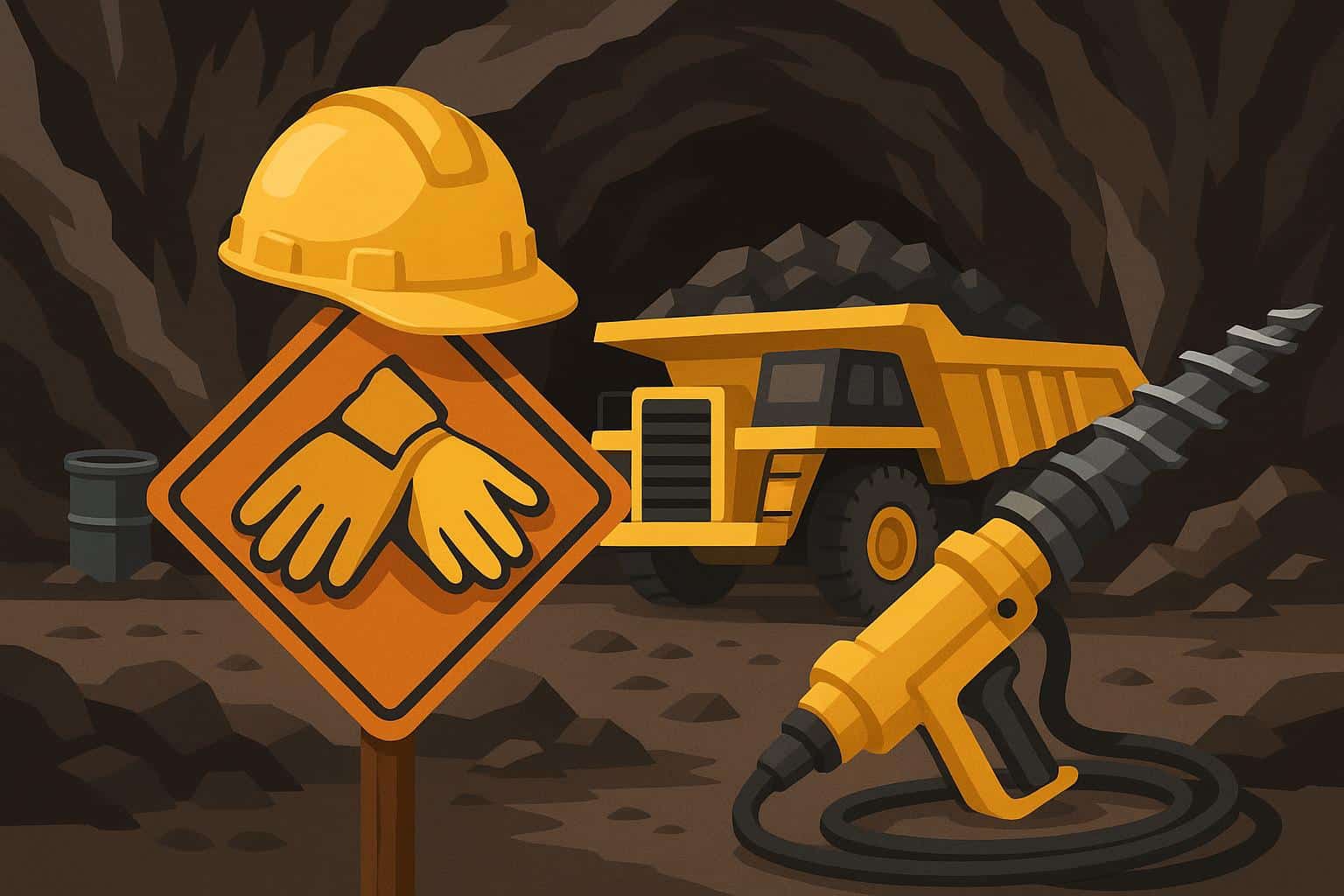
The use of personal protective equipment (PPE) cannot be overstated in environments where mining products and drilling tools are used. Safety helmets, steel-toed boots, high-visibility clothing, and ear protection are some of the essentials that must be always worn. Additionally, depending on the specific hazards present, additional PPE such as respirators or harnesses may be required. Enforcing strict adherence to PPE guidelines dramatically reduces the risk of injury.
Establishing Clear Communication Channels
Effective communication is a cornerstone of safety in any high-risk environment. It is vital to establish clear, open channels of communication among all team members, including operators, supervisors, and safety personnel. Implementing effective communication systems like radio headsets or digital communication tools ensures that important information can be relayed quickly and efficiently in case of an emergency or unexpected situation. Creating a culture of communication fosters an environment where potential risks can be discussed openly, and quick action can be taken to prevent accidents.
In summary, while technological advancements like mining fleet automation play a crucial role in improving safety in mining operations, traditional safety measures remain indispensable. By understanding the risks, providing adequate training, ensuring regular maintenance of equipment, utilising appropriate safety gear, and establishing clear communication channels, the potential for accidents and injuries can be significantly reduced. Prioritising safety is always the best strategy for protecting the lives of miners and ensuring the continuous, efficient operation of the industry.