


It’s a turn of events few would have foreseen, but AMD’s Ryzen 7 5800X3D—surprise star of the AM4 era—now can’t be had for less than the newer Ryzen 9800X3D at several retailers and marketplaces. Listings tracked by enthusiast communities and price monitors indicate the older chip has pushed well north of its $449 launch price, with many new-in-box units floating around in the $800 range, and some secondhand offerings edging near four figures. Tom’s Hardware and other outlet trackers have pointed out the flip-flop, which shows just how aggressive demand still is for a high-end AM4 gaming market.
Why an older CPU now costs more than a newer successor
The 5800X3D recast AMD’s gaming image with its 3D V-Cache design, which married Zen 3 cores to a greatly enlarged on-chip L3 cache that increased frame rates in CPU-bound games. It was a “drop-in” AM4 upgrade for older systems; in most cases, it supplied high-end performance without requiring you to replace the whole system. That unique blend of qualities—top-tier gaming speed when overclocked, mature motherboards, and cheap DDR4—helped keep demand high well after it premiered.
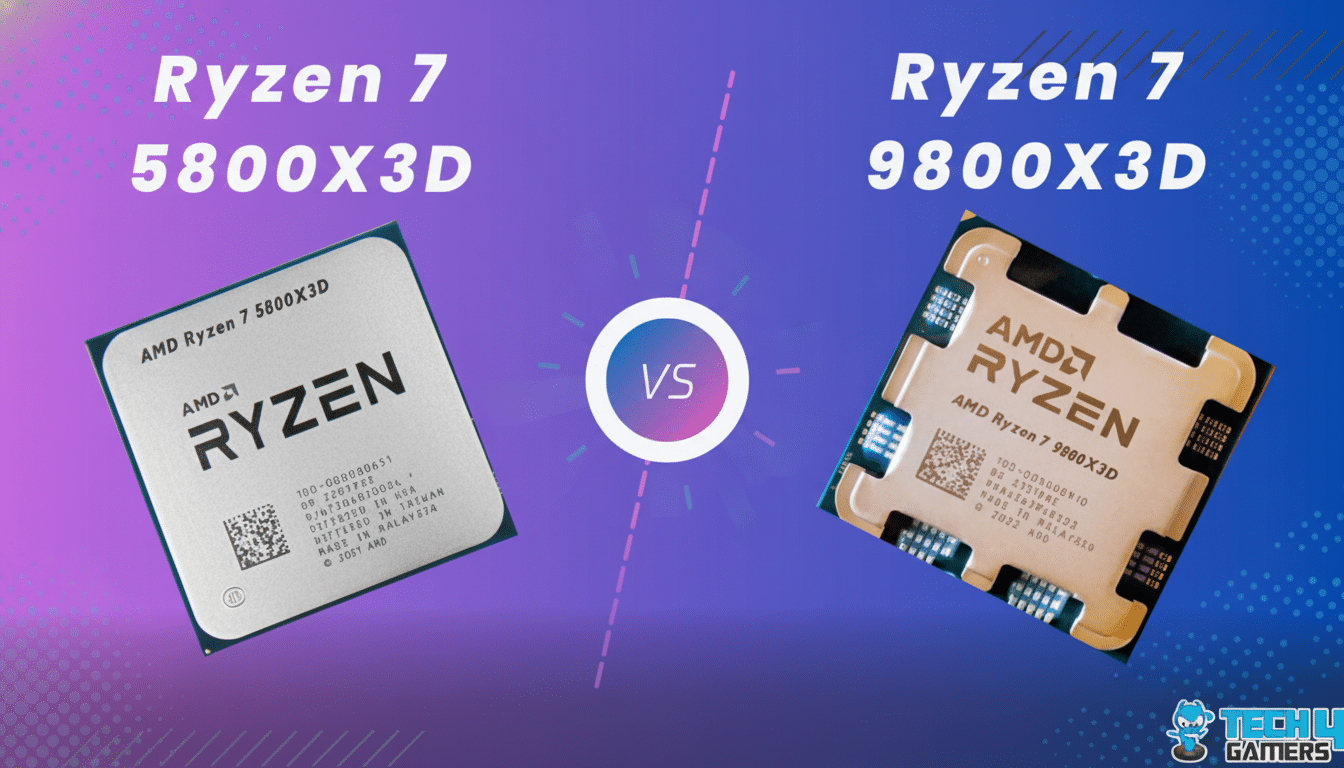
Supply, however, is finite. While production moves toward more modern architectures, the supply of boxed 5800X3D processors dwindles. Economics takes it from there: it’s a cherished item with dwindling availability and enduring demand—that, in the eyes of scalpers, constitutes gold dust. The upshot is that the market now sees an older model at a higher price than its successor in the same performance tier—despite modernity and, more often than not, availability.
AM4 demand rises amid inflation in DDR5 memory pricing
Another driver is memory. With DDR5 costs rising, an increasing slice of the consumer market wants to economize on AM4 and DDR4. Memory contract pricing has been rising due to DRAM shortages and AI datacenter demand. TrendForce’s industry trackers have previously identified tight supply of DRAM as well as AI demand for data centers as factors pushing up memory contract prices. Memory vendors, including G.Skill, have noted that retail RAM prices feel the heat. If DDR5 gets out of reach and DDR4 remains relatively cheap, the total cost of a new AM5 build can climb higher than a strategic sidegrade of your existing AM4 system (even if the CPU is generally cheaper).
That calculus is straightforward: pair a budget AM4 board, a proven 5800X3D, and the DDR4 you already have on hand, and you can land near peak gaming performance at 1080p and 1440p. Swap in the newer 9800X3D on AM5 and, while the CPU might cost less now, mandatory DDR5 plus pairing it with a current-gen board pushes up platform costs. Builders who value per frame are voting with their wallets.
What Market Data And Sellers Are Indicating
Price-watch communities and parts aggregators have already highlighted the 5800X3D hovering around 80–120% over MSRP, depending on factors such as condition (there are precious few NIBs or unused OEM pulls to be had) and channel. Several big retailers get the occasional restock, but with high markups, and auction sites see fierce bidding on used chips—sometimes surpassing new AM5 X3D models. A couple of popular US and EU resellers are already listing the 9800X3D, and even higher-tier 9-series X3D listings are around where we frequently see the 5800X3D end up, solidifying the odd-man-out nature.
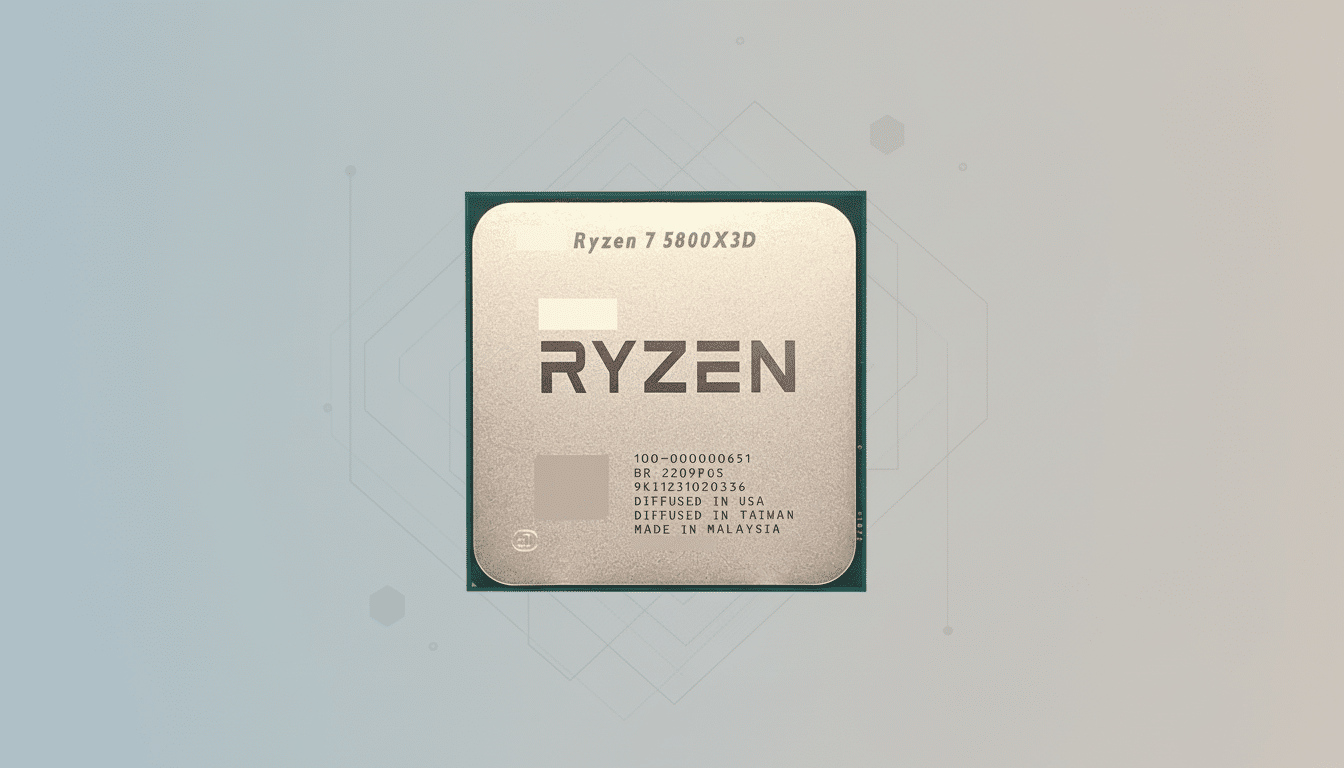
The behavior is a classic reflection of end-of-life dynamics for cult-favorite parts: dwindling supply, sticky demand, and a resale premium tied to a platform’s install base. Across PCPartPicker trend charts, retailer best-seller lists, and price-history tracking tools, the AM4’s last gaming hero is appearing as much in museum collections as it is in working systems.
Buying advice for PC builders weighing AM4 versus AM5 today
If you already have a fine AM4 board and DDR4, the 5800X3D is a great upgrade; just be wary of the inflated pricing that finger-wagging from AMD has supposedly taken care of. Look at alternatives like the 5600X3D or 5700X3D if they’re in stock; they share a lot of the same 3D V-Cache magic for more palatable prices and are less prey to scalpers. Check BIOS support and budget for a good cooler—X3D parts like consistent thermals.
If you are building from the ground up, model the cost of the entire platform. AM5 DDR5 motherboard-and-CPU bundles could turn the math back in the 9800X3D’s favor, with superior upgrade longevity and PCIe 5 readiness. Don’t discount Intel’s dual-memory-generation platforms from the past couple of generations either; they can deliver solid gaming performance with DDR4 to get you through until DDR5 pricing stabilizes.
The bigger picture on pricing volatility and platform costs
Component pricing ebbs and flows, and it’s probably a combination of a tight supply chain, aggressive demand for an SKU that no one else offers, and general memory market inflation. Whatever the breakdown, as the supply side adjusts for DRAM and AM5 volumes ramp up, price pressure on DDR5 may lessen such that the delta between platforms’ respective TCO may narrow. On the opposite end, if AMD’s AM4 supply constraints tighten even further, it wouldn’t be surprising for the 5800X3D premium to hang around.
For the time being, we can leave the headline: “the beloved AM4 gaming chip is more expensive than its younger X3D brother.” It’s a reminder that in building a PC, the best deal isn’t necessarily the newest part—it’s the one that fits the platform you already have, plays your games, and isn’t too expensive compared with what else is on sale.